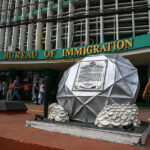
The 9G visa processing time in the Philippines typically spans 6-10 weeks, from document collection to full approval and ACR I-Card issuance, although timelines vary depending on the completeness of the application, agency workload, and applicant status. Employers and foreign nationals planning to hire in 2026 should budget 2-3 months for end-to-end compliance to avoid gaps in their legal work status.
What Determines 9G Visa Processing Time?
Multiple factors influence the 9G visa processing time in the Philippines, with the total duration reflecting the coordination between the DOLE for AEP and BI for visa implementation. Document readiness accounts for 20–30% of delays, while peak seasons or incomplete petitions extend BI reviews. Recent 2025 BI digitalization has shaved 1-2 weeks off standard times, but employer preparation remains key.
Core influencers include application completeness, employer status (e.g., Top 1,000 corporations), applicant background, and agency backlogs. Provisional Work Permits (PWPs) bridge the gaps, allowing individuals to work during wait periods. The average end-to-end processing time takes 6-10 weeks, per BI and consultant benchmarks.
Stage 1: Document Collection and Preparation
Gathering complete documents sets the pace for 9G visa processing time in the Philippines, often taking 1-2 weeks for organized employers. Delays arise from missing notarizations, apostilles, or company registrations, halting DOLE submissions.
Essential items:
- Employment contract, company SEC/DTI registration, and AOI.
- Passport copies, NBI clearance, medical certificate, and 2×2 photos.
- Proof of no local hires via PhilJobNet posting (30 days).
Pro tip: Use checklists from BI/DOLE portals to parallelize collection. Incomplete sets add 1-2 weeks per iteration.
Stage 2: Alien Employment Permit (AEP) at DOLE
DOLE’s AEP approval, prerequisite for most 9G applications, averages 2 weeks post-submission, including a 30-day labor market test via PhilJobNet. Processing accelerates to 5-10 business days for complete files after posting.
Steps:
- Employer posts vacancy for 30 days, documenting no qualified Filipinos.
- Submit a notarized application with fees (PHP 9,000/year).
- DOLE reviews, and approves if compliant; the card is issued shortly after.
2025 updates mandate understudy plans, potentially adding scrutiny but not time for prepared cases. PWP issuance post-AEP enables interim work.
Stage 3: 9G Visa Petition and BI Review
BI’s core 9G visa processing time in the Philippines phase lasts 3-5 weeks after AEP, encompassing hearings, endorsements, and approvals. Conversion from tourist status or consular visas follows similar tracks.
Process:
- File petition with BI (main or regional office), including AEP, documents, and fees (PHP 10,000+).
- Attend hearing; pay Order of Payment Slip (OPS).
- Biometrics and ACR I-Card printing (1-2 weeks post-approval).
Top 1,000 firms enjoy streamlined fees/timelines; standard cases hit 2-4 weeks via BI alone. Track via BI agenda lists.
Total Timeline: End-to-End Breakdown
Aggregating stages yields 9G visa processing time in the Philippines of 6-10 weeks standard, 2-3 months conservative.
| Stage | Duration | Cumulative | Key Delays |
| Document Prep | 1-2 weeks | 1-2 weeks | Missing apostilles |
| AEP (DOLE + Posting) | 2-3 weeks | 3-5 weeks | Labor objections |
| BI Petition/Hearing | 1-2 weeks | 4-7 weeks | Incomplete petition |
| Approval & ACR I-Card | 2-3 weeks | 6-10 weeks | Backlogs/holidays |
PEZA firms shave 1–2 weeks; express options are rare. Make sure to budget extensions for safety.
Factors Speeding Up 9G Processing
Proactive steps can trim 9G visa processing time by 20-30%, targeting bottlenecks at DOLE/BI. Complete pre-submission audits and Top 1,000 status accelerate reviews.
Tips:
- Parallelize prep: Start PhilJobNet posting early.
- Use accredited processors for hearings/biometrics.
- Opt for PWP post-AEP to enable work amid waits.
- File during low seasons (avoid Q4 holidays).
- Leverage economic zone facilitation (PEZA/BOI).
Consultants cut variability via agency relationships.
Common Delays and How to Avoid Them
Delays inflate the 9G visa processing time beyond 12 weeks, often due to preventable issues like incompleteness or backlogs. Expectation management prevents surprises.
Pitfalls:
- Incomplete docs (adds 1-4 weeks resubmission).
- DOLE objections (re-posting extends AEP).
- BI hearings/backlogs (holidays double times).
- Applicant record flags (clearances pending).
Mitigate via checklists, early filing, and status tracking.
Fees Impacting Timeline
Payment milestones punctuate the 9G visa processing time in the Philippines, with delays occurring if fees remain unsettled or disputed during key stages. DOLE AEP fees (PHP 9,000 per year) must accompany initial submissions, while BI Order of Payment Slips (OPS) for visa fees (PHP 10,130-24,210 depending on validity and company status) unlock biometrics, approvals, and ACR I-Card printing. Timely settlement at authorized banks prevents 1-2 week holds, as agencies advance only after Official Receipts (OR) confirmation.
- AEP Fee: PHP 9,000/year validity; payable at DOLE upon filing
- 9G Visa Main Fees: PHP 10,130 (1-yr non-Top 1,000) to PHP 24,210 (3-yr); varies by corporation ranking
- ACR I-Card: USD 50 (1-yr), USD 100 (2-yr), USD 150 (3-yr); paid post-approval
- Miscellaneous: Hearing fees, express options (if available), dependent visas add PHP 2,000-10,000
Non-Top 1,000 corporations face higher base fees without expedited processing; a total budget of PHP 25,000-40,000 is required per principal applicant. Prompt payments synchronize with biometric schedules, compressing the final 2-3 weeks.
Renewal Processing Times
9G renewals mirror initials but faster (4-8 weeks) with valid AEP extensions. File 30 days prior to expiry; reuse biometrics for speed ACR reprints.
Final Thoughts
9G visa processing time averages 6-10 weeks across document prep, DOLE AEP (2-3 weeks), and BI approval/ACR (3-5 weeks), with proactive planning compressing to minimums. Avoid common delays through completeness and PWP bridging, budgeting conservatively for compliance. Work Visa Philippines delivers precise timelines and acceleration for employers navigating 2026 hires.
Work Visa Philippines Timeline Expertise
Work Visa Philippines optimizes 9G visa processing time via end-to-end management, from AEP to renewals, leveraging 2025 efficiencies for 6-8 week averages. Comprehensive support minimizes delays for seamless 2026 hires. For expert assistance, contact us:
- Contact Us Here
- Fill Out the Form Below
- Call us at +63 (02) 8540-9623