by admin | Sep 8, 2026 | Immigration
The entry of foreigners to the Philippines is governed by immigration laws, visa policies, and border-control procedures that apply to all non-Philippine citizens. Whether a person arrives for tourism, business meetings, employment, investment, study, or family...
by admin | Sep 3, 2026 | Immigration
Securing a visa extension in the Philippines is the process of obtaining additional authorized stay from the Bureau of Immigration before a foreign national’s current visitor status expires. It is commonly used by tourists, family visitors, long-stay travelers, and...

by admin | Aug 27, 2026 | Immigration
A quota immigrant visa is a permanent-residence category under Section 13 of the Philippine Immigration Act. It is intended for qualified foreign nationals who do not qualify under a family-based or other non-quota immigrant category but can show that they meet the...
by admin | Aug 19, 2026 | Immigration
The visa policy of the Philippines determines who may enter the country without a visa, who must obtain a visa in advance, how long visitors may stay, and what options exist for long-term residence. The policy is based on Executive Order No. 408, subsequent executive...
by admin | Aug 17, 2026 | Immigration
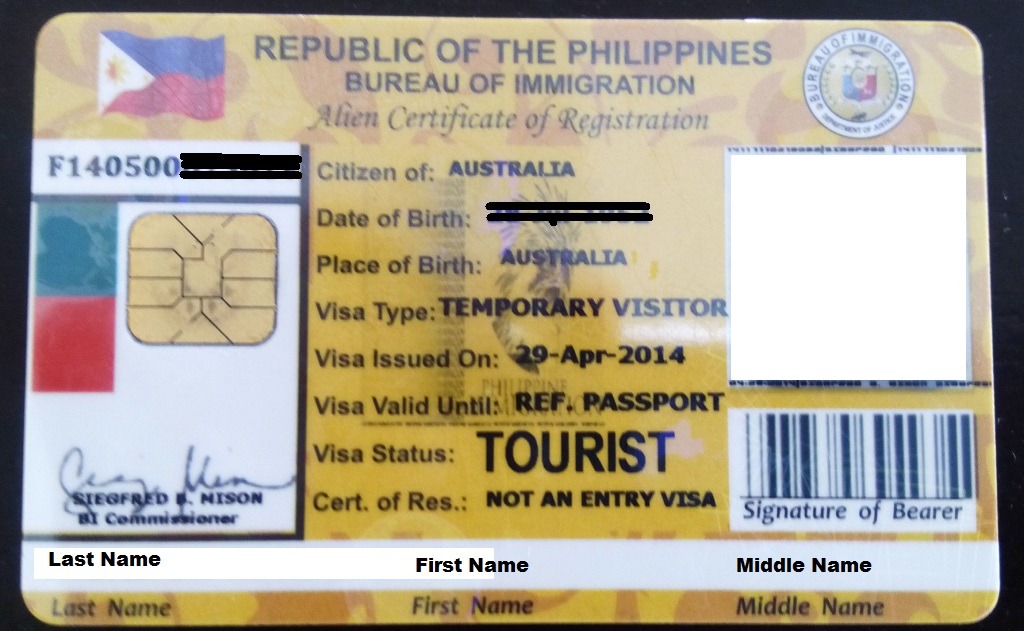
ACR I-Card renewal is a recurring obligation for foreign nationals who hold an Alien Certificate of Registration Identity Card and remain in the Philippines beyond the initial validity period. The Bureau of Immigration requires renewal when the card expires, when the...
by admin | Aug 11, 2026 | Immigration
The visa application process in the Philippines depends on the applicant’s nationality, travel purpose, intended length of stay, and activities planned in the country. A tourist, business visitor, foreign employee, investor, student, and dependent may each need a...