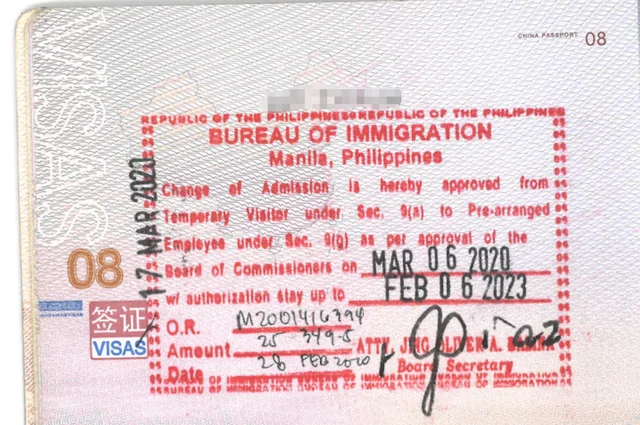
Foreign nationals who have resided in the Philippines for six months or more on work visas like 9G, tourist extensions, or other non-immigrant statuses must secure an Exit Clearance Certificate (ECC) from the Bureau of Immigration (BI) before departing the country. This requirement ensures compliance with immigration laws, settlement of any outstanding obligations such as annual reports or fees, and proper documentation of the foreign national’s exit.
What Is an Exit Clearance Certificate and Why Is It Required?
The Exit Clearance Certificate (ECC), also known as the Emigration Clearance Certificate, is a mandatory BI-issued document for registered foreign nationals departing the Philippines after staying six months or longer. It certifies that the individual has no pending immigration violations, has fulfilled reporting requirements like the Annual Report (AR), and has paid any dues such as ACR I-Card fees or extension receipts.
Under Philippine immigration rules, the ECC prevents unauthorized exits and protects the country’s records of foreign residents, applying to most non-SRRV holders regardless of intent to return or depart permanently. Failure to present an ECC can result in boarding denial by airlines or BI officers at ports of exit, potential blacklisting, or fines starting from PHP 500 per month of overstay plus processing penalties.
Who Needs an Exit Clearance Certificate in the Philippines?
Any foreign national aged 14 or older who has stayed in the Philippines continuously for six months or more requires an ECC before leaving, unless exempt, such as SRRV holders or certain diplomatic statuses. Specific groups commonly affected include:
- Holders of Temporary Visitor’s Visa (9(a)) with extensions exceeding six months total stay.
- 9G Pre-Arranged Employment Visa holders, whether leaving temporarily for business or permanently after contract end.
- Immigrant or non-immigrant visa holders (13 series, 47(a)(2), students on 9(f)) with valid ACR I-Cards planning departure.
Even short-term business travelers under 9(a) who extend stays for projects or meetings cross the threshold and must comply. Exemptions are narrow: pure visa-free visitors under 59 days, SRRV retirees without downgrading intent, and those with waivers via BI order.
ECC-A vs. ECC-B: Choosing the Right Type for Departure
The Bureau of Immigration issues two primary ECC types based on stay duration, visa validity, and return plans, ensuring departing foreign nationals match their circumstances to the correct process. ECC-A applies to those without a valid ACR I-Card or planning permanent exit after six months, often for tourist overstays or expired visas, requiring an advance application at BI offices.
In contrast, ECC-B is for holders of valid ACR I-Cards under work (9G), resident, or special visas intending to return, combinable with Re-Entry Permit (RP) for immigrants or Special Return Certificate (SRC) for non-immigrants, frequently processed at airports with proof like return tickets. 9G professionals typically qualify for ECC-B if their visa and AEP remain active, allowing quicker airport clearance but risking denial without updated AR compliance.
Exit Clearance Requirements for 9G Work Visa Holders
9G Pre-Arranged Employment Visa holders, common among expatriates on workvisaphilippines.com, must prioritize ECC compliance when departing for home leave, project ends, or job transitions after six months of residency. Key requirements include a valid passport with the latest entry stamp, original ACR I-Card, proof of current visa/extension (receipts or BI order), and a confirmed departure ticket for ECC-B at airport counters.
Additional documents may involve employer certification of ongoing employment, latest DOLE AEP, or BI annual report proof, especially if AR is overdue (mandatory January-March for prior year). For permanent exits, include a visa downgrading order or termination notice, plus five 2×2 photos and a completed BI ECC form.
Step-by-Step Process to Obtain ECC-A at BI Offices
Foreign nationals requiring ECC-A—typically those without valid ACR I-Cards, planning permanent departure, or facing compliance issues—must apply in advance at Bureau of Immigration (BI) offices like Intramuros, Makati, or regional branches at least 72 hours before their flight to allow processing time.
- Download or obtain the BI ECC application form from immigration.gov.ph and complete it with personal details, passport info, and stay history.
- Gather core documents: passport (original + copies of bio, visa, entry pages), ACR I-Card (if applicable), extension receipts or BI orders, 5x 2×2 photos, and confirmed flight itinerary.
- Submit at the ARP/ECC counter during office hours (8 AM–4 PM), receive a queue number, and undergo initial verification for AR compliance or holds.
- Pay fees (PHP 710 base + PHP 500 express + PHP 10 LRF + PHP 300 app fee ≈ PHP 1,520 total) via cash or manager’s check; opt for express lane if time-constrained (extra PHP 1,500).
- Return after 1–3 days (or same-day express) to claim the ECC-A, valid for one month/single exit, then present it at airport immigration alongside your boarding pass.
This structured office-based flow suits permanent 9G exits or overstays, preventing airport denials but requiring foresight amid BI backlogs that extend waits during holidays.
Airport Processing for ECC-B: What 9G Holders Need to Know
Holders of valid 9G visas with ACR I-Cards can apply for ECC-B directly at international airport immigration counters (NAIA 1–4, Cebu, Clark) upon check-in, provided they intend to return and carry proof like round-trip tickets or employer letters. Present passport, ACR I-Card, visa proof, and ticket; officers issue ECC-B bundled with SRC (PHP 500-1,500 total fees, cash only).
This convenience suits business travelers but demands preparedness: overdue AR blocks issuance (settle via online payment first), and peak hours cause queues—arrive three hours early. Without return proof, redirection to the BI office for ECC-A occurs, potentially missing flights.
Fees, Payment Methods, and Processing Times for Exit Clearance
Exit clearance fees follow the Bureau of Immigration’s standardized 2026 Citizen’s Charter rates, varying slightly by ECC type, processing lane, and add-ons to accommodate different departure scenarios for foreign nationals.
- ECC-A at BI offices: PHP 710 base fee + PHP 500 express option + PHP 10 Legal Research Fee (LRF) + PHP 300 application fee, totaling approximately PHP 1,520; add PHP 1,500 for priority express processing.
- ECC-B at airports (NAIA, Cebu, Clark): PHP 710 base + PHP 500 Special Return Certificate (SRC) for non-immigrants or Re-Entry Permit integration, around PHP 1,210-2,000 paid in cash only at immigration counters.
- Overstay penalties (if applicable): PHP 500 per month beyond visa validity, plus AR late fees (PHP 300/month), settled prior to ECC issuance.
- ACR I-Card renewal (often bundled): USD 50 sticker fee + PHP 500 processing for expiring cards flagged during verification.
- Miscellaneous: Five 2×2 photos (PHP 100), photocopies (PHP 5/page), and optional courier delivery (PHP 200-500 for provinces).
Payments occur exclusively via cash or manager’s checks at BI counters—no cards or online for airport ECC-B—while AR arrears accept e-payments via the immigration.gov.ph portal beforehand to expedite clearance. Processing spans 1-3 business days for standard ECC-A (same-day express) and 30-90 minutes for airport ECC-B (longer during peaks like December-January), emphasizing early applications to sidestep flight disruptions for 9G professionals and long-stay visitors.
Common Mistakes Leading to ECC Delays or Denials
Foreign nationals frequently encounter preventable setbacks in the exit clearance process due to simple oversights in preparation or compliance.
- Failing to file the Annual Report (AR) by March 1 annually, incurring PHP 300-500 monthly penalties that block ECC issuance until settled.
- Submitting photocopies instead of originals for ACR I-Card, passport stamps, or visa extensions, causing immediate rejections at BI counters.
- Assuming ECC-B eligibility at airports without valid return tickets or employer letters, leading to redirection for ECC-A processing and missed flights.
- Overlooking ACR I-Card expiry (renew for USD 50 + PHP 500) or unpaid extension fees, triggering holds during verification.
- For 9G holders, skipping DOLE AEP termination or BIR 2316 clearance, as BI cross-checks employment records before approving permanent exits.
These errors compound during peak departure seasons, turning a 30-minute airport process into multi-day office visits with express fees (PHP 1,500 extra).
Strategies to Avoid ECC Problems Before Leaving the Philippines
Proactive measures allow departing foreign nationals to secure exit clearance smoothly, eliminating last-minute risks at immigration counters.
- Verify AR compliance and ACR status 2 weeks pre-flight via immigration.gov.ph e-services portal, paying any arrears online to clear holds instantly.
- Prepare a full document kit—passport originals/copies, ACR I-Card, visa receipts, five 2×2 photos, ticket, and PHP 2,500 cash—and rehearse with a checklist.
- For ECC-B at NAIA, arrive 4 hours early with round-trip proof; opt for ECC-A at BI offices (Makati/Intramuros) if permanent exit or no ACR.
- Coordinate 9G terminations with HR 15 days ahead: secure AEP cancellation, BIR Form 2316, and employer letter to preempt BI queries.
- Use BI hotlines (02-8465-2400) or apps for real-time slot booking, avoiding walk-in queues; engage consultants for bundled fee payments and escorts.
Implementing these steps reduces denial risks by 90%, ensuring compliant departures for work visa holders and extended visitors alike.
Special Considerations for Work Visa Holders Departing Permanently
9G professionals ending contracts must treat permanent exits as ECC-A processes, often involving visa cancellation or downgrading alongside clearance. Notify BI via employer 15 days pre-departure, secure DOLE AEP termination, and include BIR 2316 certificate plus tax clearance if resident alien status applies.
This clears records for future returns, avoiding re-entry bans. Families with dependents file separate ECCs.
Pre-Departure Checklist for Foreign Nationals Needing Exit Clearance
A comprehensive checklist streamlines exit clearance for anyone staying in the Philippines for 6 months or more.
- Valid passport (6+ months validity), ACR I-Card, visa/extension proofs.
- Completed AR (Jan-Mar), paid fees/receipts.
- 5x 2×2 photos, departure ticket, cash PHP 2,000+.
- Employer letter/tax certs (9G), BI form.
Print twice; keep originals safe.
Integrating Exit Clearance with Other Departure Obligations
Beyond ECC, departing foreign nationals must align clearance with BIR tax settlements, SSS/PhilHealth refunds, and housing/lease terminations for full compliance. 9G holders secure final 2316 from employers, process CAR (Certificate Authorizing Registration) if assets are sold, and notify DOLE.
Key Takeaways
The Exit Clearance Certificate stands as the final compliance gate for foreign nationals departing the Philippines after six months, safeguarding BI records while enabling lawful exits for 9G workers, extended tourists, and residents alike. With two types (A for permanent/no ACR, B for returning valid visa holders), clear requirements (passport, ACR, proofs), and accessible processes (offices/airports), proper handling avoids fines, denials, or blacklists—yet oversights like AR lapses plague 25% of cases.
Work Visa Philippines turns exit clearance into a hassle-free step, auditing your status, gathering docs, filing at BI (Intramuros/Makati), paying fees (PHP 1,200-2,000), and escorting at NAIA for on-time departures—perfect for 9G professionals wrapping projects or heading home. We sync with DOLE/BIR for full closures, issue confirmations for future visas, and offer packages including family ECCs or permanent downgrades.
How Work Visa Philippines Handles Exit Clearance Assistance
Navigating exit clearance amid busy schedules or complex 9G terminations demands expert coordination to prevent flight misses or bans. Work Visa Philippines provides end-to-end ECC support: pre-audits for AR/ACR compliance, document assembly, BI office queuing or airport escorts, fee payments, and bundled visa downgrades/cancellations.
Our team processes 100+ ECCs monthly for professionals, integrating with AEP terminations and tax handovers to ensure seamless exits—whether for temporary business trips or permanent relocations.
Secure your exit clearance today—avoid airport chaos. Contact Work Visa Philippines for an instant assessment:
- Contact Us Here
- Fill Out the Form Below
- Call us at +63 (02) 8540-9623