Extending a tourist visa in the Philippines is a common necessity for travelers who wish to enjoy the country’s beauty and culture or conduct business longer than the initial permitted stay. Whether arriving under the visa-free policy or with a tourist visa, understanding how to extend your stay legally and smoothly is essential.
What Is a Tourist Visa Extension?
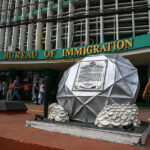
When foreign nationals enter the Philippines for tourism, most are granted a 30-day stay either visa-free or with a tourist visa (9A). A tourist visa extension allows travelers to legally stay beyond this initial period to continue exploring, vacationing, or conducting short-term business activities. Extensions are granted by the Bureau of Immigration (BI) and can range from an additional 29 days to several months, depending on the traveler’s situation and nationality.
Understanding the extension process is essential to avoid overstaying penalties and ensure compliance with immigration laws.
Who Needs to Extend Their Tourist Visa?
Tourists and foreign visitors who:
- Entered under the visa-free entry policy and want to stay longer than 30 days.
- Arrived with a single-entry tourist visa and need additional days.
- Plan on staying in the Philippines for several months for tourism, personal reasons, or short-term activities allowed under a tourist visa.
Tourists must apply for an extension before their initial 30-day stay expires. Overstaying can lead to fines and legal complications.
Types of Tourist Visa Extensions in the Philippines
There are several extension options depending on your initial entry:
- Initial 29-Day Visa Waiver Extension: Applicable for visa-free entries. This extends the 30-day stay by an additional 29 days, often without requiring a full visa application.
- One-Month, Two-Month, and Six-Month Extensions: These extensions apply to both visa-free nationals and those holding a tourist visa. Extensions beyond the initial 59 days (30 days visa-free + 29 days waiver) involve formal visa extensions processed by BI.
- Long-term Extensions (Limited to 36 months): Through repeated extensions, most tourists may stay up to three years in total, subject to BI approval.
Each extension requires submitting the correct forms and necessary documents and paying applicable fees.
Requirements for Extending a Tourist Visa
To apply for a tourist visa extension, the following documents and conditions generally apply:
- A valid passport with at least six months’ validity beyond your intended stay.
- A completely filled-out visa extension application form available at BI offices or online.
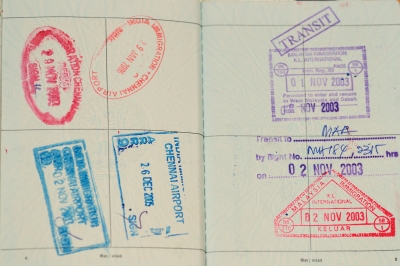
- Current visa or entry stamps indicating your arrival date.
- Proof of onward or return travel, which may be requested.
- Payment of visa extension fees to the Bureau of Immigration.
- Additional documents if applying for longer extensions, such as proof of financial capacity or a letter explaining your reason for extension.
It is highly recommended to apply at least seven days before your visa or visa waiver expires to avoid fines.
How to Apply for a Tourist Visa Extension
Extending your tourist visa involves these basic steps:
- Prepare Your Documents: Collect your passport, completed application forms, proof of travel, and any supporting documents required.
- Visit a Bureau of Immigration Office: Go to one of the BI offices or satellite offices across the Philippines, including Manila, Cebu, and Davao.
- Submit Your Application and Pay Fees: Submit your documents to the visa extension counter, pay the required fees, and receive a claim stub or receipt.
- Wait for Processing: Processing generally takes 1 to 2 business days in most offices. Some major offices offer same-day service or an express lane for a fee.
- Claim Your Passport with Extension: Return on the indicated date, present your claim stub, and receive your passport with the extended visa stamp.
Certain offices and services allow online applications or proxy applications through authorized representatives with a Special Power of Attorney, but a personal application is often more straightforward.
Tourist Visa Extension Fees
Tourist visa extension fees in the Philippines vary depending on the type and length of the extension.
For visa-free entries, the initial 29-day waiver extension typically costs around ₱3,000 to ₱4,000. One-month visa extensions usually range from ₱3,800 to ₱4,500, covering application and certification fees, while two-month extensions generally cost between ₱4,500 and ₱5,500.
For longer stays, such as six-month Limited Stay Visitor Visa Extensions (LSVVE), fees differ based on the nationality of the traveler. Non-visa-required nationals usually pay about ₱11,500, which includes head tax and the ACR I-Card, whereas visa-required nationals may pay around ₱13,900.
It is important to confirm current fees with the BI since charges can change without prior notice. Applicants should also prepare to pay these fees mostly in cash, as some BI offices do not accept card payments.
Common Challenges and Tips for a Smooth Extension Process
The tourist visa extension process may encounter delays or complications. To ensure a trouble-free experience:
- Apply Early: Begin applications at least one week before expiration to avoid overstaying fines.
- Bring Exact Fees in Cash: Many BI offices do not accept cards.
- Ensure Passport Validity: Passports must have enough blank pages and a minimum validity of six months.
- Follow Instructions Carefully: Incomplete forms or missing documents may cause delays.
- Dress Appropriately: While not mandatory, professional attire gives a positive impression.
- Consider Longer Extensions: Request longer extensions upfront to minimize repeat visits.
Consulting with professionals experienced in Philippine immigration procedures can simplify the process and avoid costly mistakes.
What Happens If You Overstay Your Tourist Visa?
Overstaying your authorized stay can lead to:
- Monetary fines, typically starting at ₱1,010 per month.
- Possible detention or legal sanctions by immigration authorities.
- Future difficulties obtaining Philippine visas.
If you inadvertently overstay, settle any penalties promptly and seek professional advice to regularize your status.
Alternative Visa Options for Longer Stays
If you plan to stay beyond tourist visa limits for work, business, retirement, or study, consider these visas:
- Work Visas: For employment with Philippine employers or organizations.
- Investor Visas: For qualifying foreign investors with the required capital.
- Special Resident Retiree’s Visa (SRRV): For retirees meeting residency criteria.
- Student Visas: For enrollment in recognized educational institutions.
Each alternative visa involves distinct application procedures and requirements, often demanding legal and professional guidance.
Final Thoughts
Extending your tourist visa in the Philippines is a manageable process when you understand the requirements and timelines. Foreign visitors can enjoy extended stays without unnecessary stress by preparing your documents carefully, applying on time, and paying the appropriate fees. Whether for leisure, personal reasons, or short-term business, staying compliant with immigration laws preserves a positive experience in the Philippines.
For those needing expert assistance navigating tourist visa extensions or considering long-term visas, consulting a specialized legal team like Work Visa Philippines provides peace of mind and helps avoid delays or complications.
Are You Ready to Extend Your Tourist Visa?
Work Visa Philippines is here to help. Our experienced immigration experts guide clients through every step, from preparing documents to liaising with the Bureau of Immigration. We ensure your visa extension application is complete, timely, and compliant with all regulations.
Contact us today to schedule a consultation and secure your extended stay in the Philippines with confidence:
- Contact Us Here
- Fill Out the Form Below
- Call us at +63 (02) 8540-9623