What Is an ACR I-Card and Who Needs It?
Understanding the ACR I-Card helps clarify why it is mandatory for many foreign workers and long-stay visitors. The card replaces the old paper Alien Certificate of Registration and serves as a unified identification and registration document for foreign nationals in the Philippines. It stores biometric and immigration data, making verification faster and more secure for both the government and the cardholder.
The ACR I-Card is required for:
- Foreign nationals staying in the Philippines for more than 59 days on a temporary visitor or tourist visa.
- Holders of long-term visas such as 9(g) pre-arranged employment (work) visas, student visas, spouse/dependent visas, and other resident visas.
- Certain categories that voluntarily apply for an ACR I-Card even when not strictly required.
Because the ACR I-Card is often issued as the last step of work visa processing (for example, after a 9(g) visa is approved), it becomes the main proof of lawful stay for employers, banks, schools, and other institutions.
Key Features and Uses of the ACR I-Card
The ACR I-Card is not just an ID; it is an integral part of the Philippines’ alien registration and immigration monitoring system. It is about the size of a credit card and contains a chip that holds personal, biometric, and immigration-related information. This makes it easier for authorities to check visa status and for foreign nationals to transact with both public and private entities.
Typical data stored on an ACR I-Card include:
- Full name, photograph, date of birth, and nationality of the cardholder.
- Date and status of admission, visa type granted (e.g., 9(g)), and ACR number.
- Biometric information such as digital fingerprints and signatures.
- Travel details and fee payment information for immigration services.
The card is widely accepted as proof of legal stay and identity by:
- Banks and financial institutions (for opening accounts or KYC checks).
- Schools and universities for student enrollment.
- Government agencies and law enforcement authorities.
However, the ACR I-Card does not replace other immigration documents such as exit clearances or re-entry permits; these may still be required for certain departures and extended stays.
Who Can Apply and Where to File
Different categories of foreign nationals can obtain an ACR I-Card either automatically as part of their visa process or through a separate application. Knowing the correct channel is critical when planning how to get an ACR I-Card for work or long-term residence.
The principal categories include:
- Foreigners on tourist/temporary visitor visas (9(a)) who have stayed beyond 59 days, for whom the ACR I-Card application is filed together with a visa extension.
- Long-term visa holders (e.g., 9(g) work visa, student, spouse, retirement, special resident visas) where ACR I-Card issuance is integrated as the final step in visa approval.
- Foreign nationals who opt for voluntary application, even when not strictly required.
Applications are generally filed at:
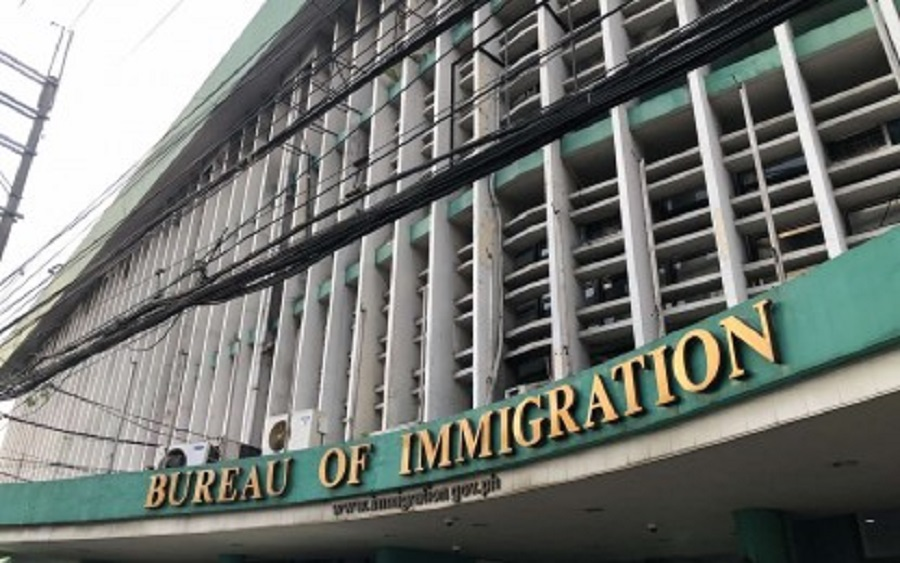
- BI Main Office in Intramuros, Manila, for most categories, including voluntary applications.
- Authorized BI Field or District Offices nationwide that are allowed to process ACR I-Card issuance, such as district offices in Cebu, Davao, and other major cities.
BI’s official “ACR I-Card Issuance” and “Voluntary Application for ACR I-Card” service pages specify which offices are authorized and what checklists apply.
Requirements: What You Need to Prepare
Preparing complete documentation is essential if the goal is to understand how to get an ACR I-Card without delays. Requirements vary slightly depending on visa type and whether the application is initial, renewal, or voluntary, but core items remain consistent across categories.
Typical requirements include:
- Accomplished ACR I-Card application form (e.g., BI Form 2014-08-012 or BI Form 2014-08-006 Rev 0 for certain categories).
- Valid passport (at least six months validity) with photocopies of the bio-page, latest admission stamp, and current visa implementation or extension page.
- Proof of a valid visa or visa extension, such as a BI order, stamp, or approval notice (e.g., for a 9(g) work visa).
- Two recent 2×2 color photographs with a white background, following BI photo specifications.
- Proof of address in the Philippines (e.g., lease, utility bill, or barangay certificate) where required.
- Copy of Official Receipt (OR) for visa fees or related BI transactions connected to the ACR I-Card application.
- For some categories, a letter request addressed to the BI Commissioner through the Chief of the Alien Registration Division explaining the purpose of the application (common in work-visa-related filings).
Work-visa holders (such as 9(g)) typically do not file the ACR I-Card separately; instead, it is processed as part of the visa implementation once the visa is approved. Still, the same underlying documents—passport, visa approval, photos, and BI forms—are necessary behind the scenes.
Step-by-Step: How to Get an ACR I-Card
The specific steps in how to get an ACR I-Card depend on whether the application is linked to a new visa (for example, a 9(g) work visa) or is a stand-alone or voluntary application. In all cases, BI follows a structured sequence that includes documentation, payment, and biometric capture.
For a typical ACR I-Card application, the process generally looks like this:
- Secure or confirm your visa status
-
- Ensure that your underlying visa is valid and, if required, extended beyond 59 days (for visitors) or fully approved (for work or resident visas).
- For work visas such as 9(g), the ACR I-Card step usually comes after the visa has been granted by the Bureau of Immigration.
- Prepare the required documents
-
- Complete the ACR I-Card application form and gather the required documents, including passport copies, visa proof, photos, and supporting documents, as listed in the relevant BI checklist.
- If applying voluntarily or for special categories, prepare a letter of request addressed to the Commissioner through the Alien Registration Division.
- Visit the appropriate BI office
-
- Visit the BI Main Office or an authorized district office during business hours; some offices, such as the Cebu District Office, handle local ACR I-Card processing.
- Queue at the designated ACR I-Card or Alien Registration Division counters and present your accomplished forms and documents.
- Submit documents and undergo initial evaluation
-
- BI staff will review your application for completeness and check the database for any derogatory records or inconsistencies.
- If documents are incomplete, you may be asked to submit additional items before proceeding.
- Receive the Order of Payment Slip (OPS) and pay the fees
-
- Once the application passes the initial check, you will be issued an Order of Payment Slip (OPS) outlining applicable fees.
- Proceed to the BI cashier to settle the fees, which typically include a card fee of around USD 50, plus a small peso component (e.g., PHP 500), depending on the category and current BI rates.
- Biometric data capture
-
- After payment, proceed to the designated Image and Fingerprint Capturing counters under the Alien Registration Division.
- BI staff will capture your photograph, fingerprints, and digital signature, which are embedded in the ACR I-Card.
- Wait for processing and card printing
-
- Once your application is endorsed and approved, your data are forwarded to the ACR I-Card Committee and BI’s card supplier for verification and printing.
- Standard processing often ranges from roughly 2–3 weeks, with some offices offering faster processing (1–2 weeks) for express lane fees.
- Claim your ACR I-Card
-
- BI will issue a claim stub or inform you when the card is ready; you must present the claim stub and your original passport to collect it.
- Upon release, verify that your personal details and visa information are accurate and keep the card safe—it must often be shown together with your passport in immigration-related transactions.
For 9(g) work visa holders, step 6 (biometrics) is frequently integrated into the visa hearing or implementation stage, and the ACR I-Card is automatically generated once the visa is approved and the corresponding fees are paid.
Fees, Validity, and Renewal
Understanding the fees and validity period is important when planning how to get and maintain an ACR I-Card over multiple years of work or residence. BI consolidates payments under a single Official Receipt, covering card fees and any associated visa charges.
Key points include:
- Base ACR I-Card fee of around USD 50 plus a small additional peso fee (e.g., PHP 500), with exact amounts subject to BI’s published rates at payment time.
- Card validity typically matches the validity of the underlying visa or permit; if your visa is extended or renewed, the ACR I-Card may also need renewal or reprinting.
- For visa extensions, previously captured biometric data are reused for printing renewed ACR I-Cards, except for younger children who must re-capture more frequently.
If card details change—such as address, civil status, or name—BI rules require updating the information and issuing a new card with applicable amendment and re-issuance fees. The ACR I-Card is retained by the holder when leaving the country but is electronically deactivated upon departure and may be reactivated upon return if still valid.
Annual Reporting and Compliance Obligations
Once you know how to get an ACR I-Card, it is equally important to understand ongoing compliance rules. All registered foreign nationals with ACR I-Cards must complete annual reporting with BI, usually during the first 60 days of each calendar year. This requirement is separate from visa renewal and is mandatory for maintaining lawful status.
Annual reporting generally involves:
- Appearing in person at a BI office (or via authorized representative in limited exempt cases) between January and February.
- Presenting the ACR I-Card and passport, paying the annual report fee (commonly cited at around PHP 310), and updating any changes.
- Ensuring minors, seniors, or PWDs follow BI guidelines for reporting through representatives where allowed.
Failure to comply with annual reporting or to maintain a valid ACR I-Card when required can result in fines, difficulties in future visa applications, or even blacklisting.
Special Notes for Work Visa Holders (9(g) and Others)
For foreign employees on 9(g) work visas and similar employment-based permits, the ACR I-Card is tightly connected to the work authorization process. BI explicitly includes ACR I-Card issuance in the workflow for pre-arranged employment visas, typically as the last step after visa approval and fee payment.
Key points for work visa holders:
- You cannot usually obtain the ACR I-Card for a 9(g) category until the work visa itself is approved.
- Employers or accredited visa consultants often manage the process, coordinating BI hearings, fee payments, biometric capture, and card release.
- If the employment relationship ends or the visa is cancelled, the status linked to the ACR I-Card also changes, and you may need to update or cancel registration consistent with the new immigration status.
Because the ACR I-Card is used together with your passport for many immigration, banking, and employment-related transactions, keeping it current and in good condition is essential throughout your stay.
Final Insights
The ACR I-Card sits at the center of long-term, lawful stay for foreign nationals in the Philippines, especially those working under visas like the 9(g) pre-arranged employment visa. By understanding how to get an ACR I-Card—securing or confirming your visa status, preparing the correct documents, appearing at the proper Bureau of Immigration office, paying the prescribed fees, and completing biometric capture—you build a compliant foundation for your life and work in the country.
Keeping the card valid through renewals and annual reporting is just as important as the initial application, as lapses can lead to fines, complications in future immigration filings, or even adverse actions on your status.
How Work Visa Philippines Can Help
The steps for how to get an ACR I-Card can be time-consuming, especially when combined with work visa processing, extensions, and annual reporting. Professional guidance helps ensure forms are correctly completed, supporting documents are complete, and timelines are managed to avoid penalties or gaps in legal stay.
Work Visa Philippines supports:
- ACR I-Card applications tied to 9(g) work visas, including document review, filing, and monitoring of BI updates.
- Renewals, amendments, and lost-card replacements, coordinating with BI’s Alien Registration Division on compliance steps.
- Annual reporting assistance to help foreign nationals and employers stay compliant year after year.
Foreign workers and employers planning long-term engagements in the Philippines can benefit from integrating ACR I-Card planning into their overall work visa strategy, ensuring a smooth, compliant stay from arrival to departure. Contact us today:
- Contact Us Here
- Fill Out the Form Below
- Call us at +63 (02) 8540-9623