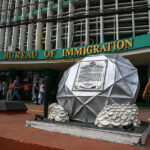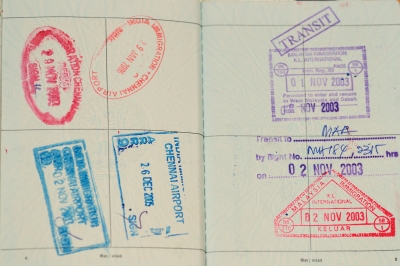
Applying for a work visa from the USA to the Philippines usually means getting a 9(g) Pre-Arranged Employment Visa, the main employment visa for foreign nationals with a confirmed job offer. This visa is granted only when there is a legitimate employer-employee relationship and a Philippine employer has successfully petitioned the government for your entry. For U.S. citizens, the process involves coordination between the Philippine employer, Philippine authorities in Manila, and the Philippine Embassy or Consulate in the United States.
What is the 9(g) Work Visa from the USA?
The 9(g) Pre-Arranged Employment Visa is a non‑immigrant visa issued to foreigners who will work in the Philippines in any lawful occupation, for wages, salary, or other compensation, under a valid employer-employee relationship. U.S. citizens can obtain this when they are hired by Philippine‑based companies, schools, hospitals, NGOs, or other lawful entities operating in the country.
Examples of eligible roles include:
- Professors and teachers in educational institutions.
- Doctors, nurses, and medical professionals in hospitals or clinics.
- Scientists, engineers, IT professionals, and other specialists in commercial, industrial, banking, or agricultural enterprises.
The 9(g) visa may be issued as:
- Commercial (employment): for corporate, industrial, business, or similar roles.
- Non‑commercial: for missionary, charitable, social, or rehabilitation work, which follows a similar process but different fee schedules and endorsements.
For Americans, the visa is issued abroad only after the Department of Foreign Affairs (DFA) in Manila authorizes the Philippine Embassy or Consulate in the U.S. to do so.
How the Petition Process Works (Employer Side in the Philippines)
Before a U.S. citizen can apply for a work visa from the USA, the Philippine employer must complete several steps in the Philippines. This internal petition process is critical because the consular post in the U.S. cannot issue a 9(g) visa without authority from Manila.
The sequence typically looks like this:
- The Philippine employer files a petition under oath with the Department of Labor and Employment (DOLE) in Manila, requesting permission to hire the American worker.
- DOLE checks that employment conditions and requirements are met (including local labor priorities), then endorses the case to the Bureau of Immigration (BI) if satisfied.
- The BI Commissioner reviews the petition and, if meritorious, approves the entry of the foreign employee and forwards this approval to the DFA.
- The DFA issues an “authority to issue visa” to the relevant Philippine Embassy or Consulate in the United States that has jurisdiction over the applicant’s place of residence.
Only after this chain is completed can the consular office in the U.S. legally issue the 9(g) work visa.
Where U.S. Applicants File Their 9(g) Visa
For Americans applying for a work visa from the USA, the application is filed at the Consular Section of the Philippine Embassy in Washington, D.C., or a Philippine Consulate that covers the U.S. state where the applicant legally resides. The Consular Office must already have received the DFA’s authority before accepting and approving the visa application.
Key points:
- Personal appearance at the Embassy or Consulate is required; applications cannot be completed purely by mail or online.
- The list of Philippine consulates with jurisdiction in the U.S. (e.g., New York, Los Angeles, San Francisco, Chicago, etc.) is available from the Embassy.
- Applicants should coordinate with their Philippine employer to confirm when the DFA authorization has been transmitted before scheduling their consular visit.
Document Requirements for U.S. Citizens
The U.S. Embassy’s guidance outlines specific documents U.S. citizens must submit when applying for a 9(g) work visa from the USA. These documents focus on identity, security clearances, and medical fitness, complementing the employer’s petition lodged in Manila.
Typical core requirements for the U.S. applicant include:
- Valid U.S. passport: Must be valid for at least six months beyond intended stay.
- Two completed visa application forms: Use the forms prescribed by the Philippine Embassy or Consulate.
- Four (4) identical passport-size photographs: Signed on the front bottom of each photo.
- Medical and physical examination report: Issued by an authorized physician, including:
- Chest X‑ray film.
- Laboratory reports.
- Certificate confirming the applicant is free from AIDS.
This medical report must be submitted to the quarantine officer at the port of entry together with the visa application and is only valid if used within six months from the exam date.
- Police clearance: Issued by the police authorities at the place of residence in the U.S.; this must be a certificate based on a fingerprint check.
- Visa application fee: Payable to the Embassy or Consulate in accordance with current consular fee schedules.
These personal documents are submitted at the consular interview, in addition to the internal approvals already obtained by the employer from DOLE, BI, and DFA.
Requirements for Accompanying Spouse and Children
A 9(g) work visa from the USA can cover the principal employee’s immediate family, subject to documentary proof and timing rules. The U.S. Embassy notes that dependents joining or accompanying the principal within six months of admission can apply as derivatives.
Dependents must provide:
- Spouse: Marriage certificate demonstrating the legal marital relationship to the principal visa holder.
- Unmarried children under 21: Birth certificates showing both parents and establishing the parent-child relationship.
On the Philippine side, BI has corresponding fee schedules for dependent spouses and children (e.g., Dep‑Spouse, Dep‑B16, Dep‑B14) under commercial and non-commercial 9(g) categories. These fees vary depending on whether the sponsoring company is among the Top 1,000 Corporations and the visa validity period (1, 2, or 3 years).
Step-by-Step: From U.S. Job Offer to 9(g) Visa in Passport
Applying for a work visa from the USA to the Philippines involves linked steps on both sides of the Pacific. For a U.S. professional, the journey can be summarized as follows:
- Secure a job offer in the Philippines
-
- Negotiate and sign an employment contract with a Philippine employer willing and eligible to sponsor a 9(g) visa.
- Employer files a petition in the Philippines
-
- Employer submits a petition under oath to DOLE in Manila for authority to hire the U.S. citizen, fulfilling labor and documentary requirements.
- DOLE endorses the case to the Bureau of Immigration once the requirements are met.
- Bureau of Immigration and DFA approvals
-
- BI reviews the petition, and if favorable, approves the entry of the foreign employee and forwards approval to the Department of Foreign Affairs.
- DFA then sends an “authority to issue visa” to the specific Philippine Embassy or Consulate in the United States that has jurisdiction over the applicant.
- U.S. applicant prepares consular documents
-
- Meanwhile, the U.S. applicant obtains a police clearance (fingerprint‑based), completes a full medical exam with required tests, and gathers photos and a passport.
- The applicant also completes two visa application forms as required by the consular post.
- Personal appearance at the Philippine Embassy/Consulate
-
- Once the employer confirms that the DFA authority has reached the post, the U.S. applicant schedules a visit to the Consular Section.
- On the day of appearance, the applicant submits the passport, forms, photos, police clearance, medical report, and pays the visa fee.
- Consular processing and visa issuance
-
- The consular officer verifies DFA authority and checks the completeness of documents.
- When everything is in order, the 9(g) visa is stamped or affixed in the applicant’s U.S. passport.
- Arrival in the Philippines and BI onboarding
-
- On arrival, the medical report is presented to the quarantine officer at the port of entry if required.
- Post‑arrival, the employer coordinates with BI to implement any remaining steps, such as ACR I‑Card issuance and local registration, following BI’s 9(g) conversion and ARD procedures.
From offer to arrival, total processing time depends largely on how quickly the employer secures DOLE, BI, and DFA clearances, and how fast the applicant completes medicals and police checks in the U.S.
Validity, Fees, and ACR I-Card Link
The 9(g) work visa from the USA can be granted for 1, 2, or 3 years, with renewal options, and is closely tied to the underlying employment contract. BI’s official schedule distinguishes between non‑Top 1,000 Corporations and Top 1,000 Corporations, with different fee levels for principal and dependents.
Illustrative BI fee ranges (exclusive of consular fees in the U.S.):
- Conversion to 9(g) (Commercial): For non-Top 1,000 corporations, principal fees range from around PHP 10,130 for 1-year validity to PHP 24,210 for 3‑year validity.
- Extensions: Lower fees apply for extensions compared to the initial conversion, with separate tables for principal and dependents.
- ACR I-Card: Additional fee of USD 50 for 1-year, USD 100 for 2-year, or USD 150 for 3-year validity, charged on top of visa fees.
Once in the Philippines, every 9(g) holder must obtain an ACR I-Card (Alien Certificate of Registration Identity Card), which serves as their primary immigration ID and is processed through BI’s Alien Registration Division after approval and payment. BI reuses biometric data for subsequent extensions, except for young children who must re‑capture more frequently.
Commercial vs. Non-Commercial 9(g) for U.S. Applicants
U.S. citizens can obtain a work visa from the USA under either commercial or non‑commercial 9(g) categories, depending on the nature of their work. While the consular documentation is similar, BI fee structures and local endorsements differ.
- Commercial 9(g): For banking, commercial, industrial, agricultural, and other business enterprises; typically requires corporate sponsorship and standard DOLE/BI steps.
- Non-commercial 9(g): For missionaries, social workers, and those in rehabilitation or charitable initiatives; may require endorsements from church or religious bodies such as CBCP-PCEC in some cases, impacting fees.
The U.S. applicant’s consular requirements (passport, forms, medicals, police clearance) remain consistent, but the employer’s petition path and local fees will differ by category.
Practical Tips for U.S. Professionals and Employers
Because the 9(g) work visa from the USA requires coordination between three Philippine agencies (DOLE, BI, and DFA) and the Philippine mission in the U.S., planning and communication are critical. Both the American applicant and the Philippine employer should anticipate documentation lead times.
Helpful practices include:
- Starting medical exams and police clearance early, as some U.S. jurisdictions take weeks to issue fingerprint‑based certificates.
- Verifying DFA authority has reached the correct Embassy or Consulate before booking travel to avoid wasted trips.
- Ensuring the employment contract and company documents in the Philippines are consistent with the petition submitted to DOLE and BI.
- Working with experienced immigration support to manage ACR I‑Card, renewals, and dependent inclusion after arrival.
Key Takeaways
A 9(g) Pre‑Arranged Work Visa is the key pathway for U.S. citizens who want to work legally in the Philippines, and it always starts with a Philippine employer petitioning DOLE, the Bureau of Immigration, and the DFA before any visa can be issued at a Philippine Embassy or Consulate in the United States.
Once that chain of approvals is in place, the U.S. applicant’s role is to meet the consular requirements—passport, application forms, photos, medical report, and police clearance—so the work visa from the USA can be stamped and implemented on arrival through ACR I‑Card registration and BI onboarding.
How Work Visa Philippines Supports U.S.-Philippines Work Moves
For U.S. citizens and Philippine employers, navigating a work visa from the USA to a 9(g) status in the Philippines involves both consular and in‑country procedures that must align perfectly. Work Visa Philippines focuses on the Philippine side—preparing employer petitions, coordinating with DOLE and BI, and managing ACR I‑Card and extensions—so that once the Embassy issues the visa, the transition on arrival is smooth.
By integrating consular requirements with BI’s technical checklists and fee structures, Work Visa Philippines helps reduce errors, speed up approval timelines, and ensure long-term compliance for American professionals working legally in the Philippines. Contact us today for professional assistance:
- Contact Us Here
- Fill Out the Form Below
- Call us at +63 (02) 8540-9623