Choosing between the Special Resident Retiree’s Visa (SRRV) and the 9G Pre-Arranged Employment Visa is a critical decision for foreign nationals planning a long-term stay in the Philippines, as each caters to fundamentally different lifestyles and professional goals.
While the 9G visa is the standard for those actively employed by a Philippine company, the SRRV offers a more permanent, residency-based solution for those who can meet the financial deposit requirements. Understanding the core differences in eligibility, work rights, and administrative upkeep ensures you select the pathway that aligns with your 2026 residency plans.
Defining the 9G Work Visa and the SRRV
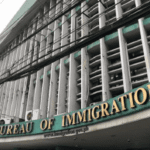
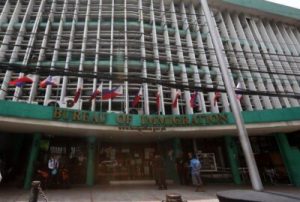
The 9G Pre-Arranged Employment Visa and the Special Resident Retiree’s Visa (SRRV) represent two of the most popular long-term immigration statuses in the Philippines, but they are governed by different agencies and regulations. The 9G is a non-immigrant work visa issued by the Bureau of Immigration (BI) for foreign nationals engaged in lawful occupations for wages or salary.
In contrast, the SRRV is a special non-immigrant resident visa managed by the Philippine Retirement Authority (PRA) under the Department of Tourism, designed to attract global retirees and investors seeking permanent residency. While the 9G visa is fundamentally linked to a specific employer, the SRRV is linked to a financial deposit, granting the holder significantly more independence and a path to indefinite stay without recurring employer sponsorship.
Eligibility and Age Requirements for 2026 Applicants
Eligibility for these visas varies significantly based on age and professional status, making one clearly superior depending on where you are in your career. The 9G visa is available to any foreign national aged 21 or older who has a valid job offer from a Philippine-registered corporation.
The SRRV generally requires applicants to be at least 50 years old for the most common categories, such as SRRV Smile and SRRV Classic. However, certain “Expanded Courtesy” categories may allow applicants as young as 35 if they are retired military or diplomatic personnel with a qualifying pension. If you are under 50 and not a military retiree, the 9G or an investor visa (SIRV) are often your only practical long-term options.
Comparing Financial Requirements and Deposits
The financial barrier to entry is one of the most distinct differences between the two visas, as the SRRV requires a significant upfront capital commitment while the 9G is largely fee-based. For a 9G visa, the primary costs are the BI and DOLE application fees, which typically total around PHP 15,000 to PHP 30,000 depending on the visa duration.
The SRRV requires a “Requisite Time Deposit” in a PRA-accredited bank, ranging from USD 10,000 to USD 50,000. Under the SRRV Classic program, this deposit can eventually be converted into an investment, such as the purchase of a condominium unit valued at over USD 50,000. For many, the 9G is more affordable in the short term, but the SRRV’s deposit acts as a recoverable asset that secures permanent residency.
Work Rights and Employment Restrictions
A major point of confusion for many expats is whether they can work on an SRRV, as the 9G is explicitly designed for that purpose, while the SRRV is residence-focused. The 9G visa automatically grants the right to work for the sponsoring employer, provided an Alien Employment Permit (AEP) is also secured.
SRRV holders, contrary to popular belief, are not completely barred from working, but they do not have automatic work rights. To work legally, an SRRV holder must still apply for an AEP from the Department of Labor and Employment (DOLE). If you plan to be a full-time employee, the 9G is more straightforward; if you are a passive investor or business owner, the SRRV may provide more flexibility.
Stay Duration and Renewal Cycles
The “long-term” nature of these visas differs in how often you must interact with immigration authorities to maintain your status. A 9G visa is typically granted for 1, 2, or 3 years, matching the duration of the employment contract and the AEP.
The SRRV provides indefinite stay, meaning as long as the required deposit is maintained and the annual PRA fees are paid, the visa never expires. 9G holders must undergo a full renewal process—including a new AEP application—every few years, which can be time-consuming and costly. For those seeking a “forever” visa that requires minimal paperwork once issued, the SRRV is the clear winner.
Comparison Table: SRRV vs. 9G Visa
| Feature | 9G Work Visa | SRRV (Retirement Visa) |
| Issuing Agency | Bureau of Immigration (BI) | Philippine Retirement Authority (PRA) |
| Primary Requirement | Employer Sponsorship | Bank Deposit (USD 10k-50k) |
| Minimum Age | 21 years old | 50 years old (mostly) |
| Work Rights | Automatic with AEP | Requires a separate AEP |
| Visa Duration | 1 to 3 years (renewable) | Indefinite/Permanent |
| Annual Reporting | Mandatory BI Annual Report | Annual PRA ID Renewal |
Travel Privileges and Re-entry Permits
Both visas offer multiple-entry privileges, allowing you to travel in and out of the Philippines without applying for a new visa each time. However, the administrative process at the airport differs.
9G holders must pay for an Exit Clearance Certificate (ECC) and a Special Return Certificate (SRC) at the airport or BI office before every departure if they have stayed for more than six months. SRRV holders are generally exempt from the ECC requirement and the travel tax (if their stay is less than one year), making international travel significantly faster and cheaper.
Tax Benefits and Financial Incentives
The SRRV is often called a “privileged” visa because it offers financial incentives that are not available to 9G work visa holders. SRRV holders are entitled to a one-time tax exemption on the importation of household goods and personal effects up to USD 7,000.
Additionally, pensions and annuities remitted to the Philippines by SRRV holders are often tax-exempt under Philippine law. 9G holders, as resident employees, are subject to standard Philippine income tax on their local earnings (ranging from 0% to 35%). For high-income earners or those with significant foreign pensions, the SRRV can lead to substantial long-term tax savings.
Inclusion of Dependents and Family Members
Both programs allow you to bring your spouse and unmarried children under the age of 21, but the costs associated with adding family members differ. For a 9G visa, each dependent requires their own visa application and ACR I-Card, increasing the processing fees proportionally.
For the SRRV, the base deposit (e.g., USD 20,000) typically covers the principal and two dependents. Adding a third dependent usually requires an additional deposit of USD 15,000. This makes the SRRV a very cost-effective option for families, especially since the dependents also receive indefinite residency status.
Common Pitfalls and Compliance Issues
While both visas offer stability, they each have compliance “trapdoors” that can lead to visa cancellation if ignored. For 9G holders, the biggest risk is losing your job; if your employment is terminated, your visa must be downgraded to tourist status within a strict timeframe, or you face blacklisting.
For SRRV holders, the most common pitfall is the unauthorized withdrawal of the time deposit. If the bank deposit falls below the required threshold without PRA approval (for an investment conversion), the visa can be summarily cancelled. Additionally, SRRV holders who work without an AEP risk fines of PHP 50,000 or deportation.
Transitioning from 9G to SRRV
Many foreign nationals begin their life in the Philippines on a 9G visa and transition to an SRRV as they approach retirement or gain financial independence. This transition requires “downgrading” the 9G visa to a tourist status first before the PRA can process the SRRV application.
Planning this transition is essential because the SRRV application can take 4 to 8 weeks to process, during which you must remain in legal status. By moving to an SRRV, you “unlock” your residency from your employer, allowing you to stay in the Philippines even if you decide to resign or your company closes.
Final Thoughts
Choosing between the SRRV and the 9G Visa ultimately depends on whether your priority is active employment or independence with permanent residency. The 9G visa is the essential choice for foreign professionals under 50 who require employer sponsorship and automatic work rights, whereas the SRRV offers a “forever” status for those over 50 who can commit a USD 10,000-50,000 deposit in exchange for tax perks and a life free from recurring renewals. While the 9G is cheaper to start, the SRRV’s exemption from exit clearances and its asset-based nature make it the superior long-term stay investment for retirees and self-sufficient expats.
How Work Visa Philippines Helps You Choose
Deciding between an SRRV and a 9G visa requires a thorough review of your long-term finances, age, and professional intentions in the Philippines. Work Visa Philippines provides expert guidance to ensure you don’t waste time or money on the wrong immigration path.
- Eligibility Audits: We verify your age, pension status, and employer credentials to determine which visa you actually qualify for in 2026.
- End-to-End Processing: Whether it’s coordinating with the PRA for your deposit or with DOLE for your AEP, we handle the heavy administrative lifting.
- Visa Transitions: We specialize in the complex process of downgrading 9G visas and successfully filing for SRRV residency.
By partnering with experts, you ensure that your stay in the Philippines is built on a solid, compliant legal foundation.
Don’t guess with your residency—get the expert advice you need to stay in the Philippines long-term. Contact Work Visa Philippines today for a visa comparison consultation:
- Contact Us Here
- Fill Out the Form Below
- Call us at +63 (02) 8540-9623