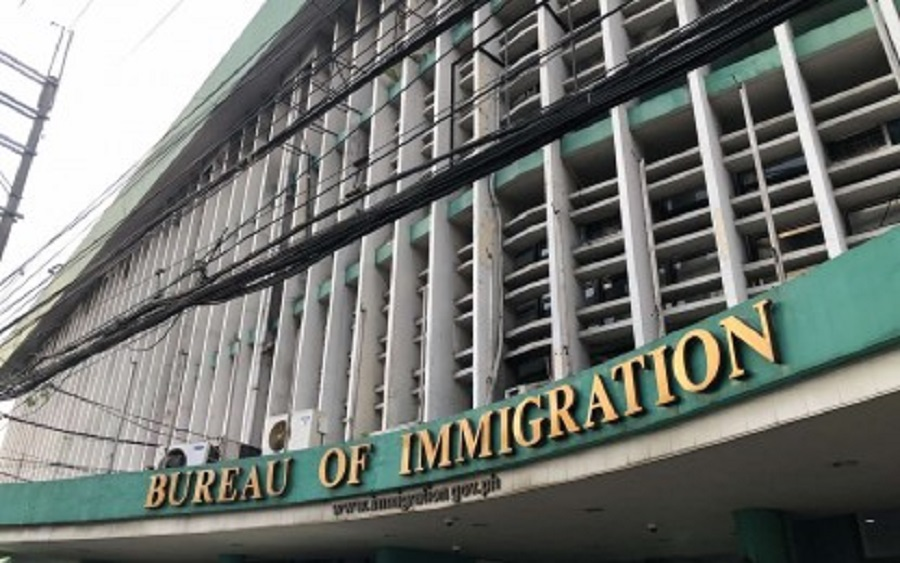
Foreign nationals planning to live, work, invest, or retire in the Philippines must align their plans with the correct visa for foreigners in the Philippines, since each category is tightly regulated by the Bureau of Immigration (BI), the Department of Labor and Employment (DOLE), the Board of Investments (BOI), and the Philippine Retirement Authority (PRA).
Short‑term visitors normally enter under a 9(a) Temporary Visitor Visa or visa‑free entry (for eligible nationalities), while long‑term goals—such as employment, study, business, or permanent residence—call for more specialized visas like 9(g) work visas, 9(d) treaty investor visas, Section 13 immigrant visas, and special resident visas like SIRV or SRRV.
Core Visa Categories at a Glance
Before looking at individual visas, it helps to understand how Philippine law groups each visa for foreigners in the Philippines into three main families: non‑immigrant, immigrant, and special visas. Each family corresponds to your intended length of stay and level of integration in the Philippines.
In broad terms:
- Non‑immigrant visas (Section 9): For foreigners staying temporarily—for tourism, business, work, study, or specific missions. Examples: 9(a) tourist, 9(g) work, 9(f) student, 9(d) treaty trader/investor.
- Immigrant visas (Section 13): For foreign nationals intending to live in the Philippines permanently, often via family connections or returning former Filipinos. Examples: 13(a) by marriage, 13(g) for returning natural‑born Filipinos, and quota 13 visas.
- Special visas: Program‑based or economic visas granting residence or extended stay via investment, retirement, or job creation. Examples: SIRV (investor), SRRV (retiree), and Special Visa for Employment Generation (SVEG).
Your choice should reflect your actual purpose: short visit vs. long‑term work, investment vs. retirement, or joining a family vs. running a regional business.
Visitor and Short-Stay Options: Tourist and Business Visas
The most common visa for foreigners in the Philippines is the 9(a) Temporary Visitor Visa, which covers tourism, short business trips, medical visits, and other non‑employment purposes. Many nationalities also benefit from visa‑free entry for limited periods, extended by converting to or renewing 9(a) status.
Key features:
- 9(a) Temporary Visitor Visa: Used for leisure travel, business meetings, family visits, or short medical stays.
- Visa-free entry: Citizens of many countries may enter without a visa for 30 days when holding a return or onward ticket and a passport with at least six months’ validity.
- Extensions: 9(a) stays can typically be extended at BI in increments (e.g., 29-59 days per extension), up to a maximum accumulated stay (often 24-36 months for many nationalities).
Important restrictions:
- You cannot legally work or perform paid services in the Philippines on a 9(a) tourist or business visa, even remotely for a local employer; doing so can result in fines and blacklisting.
- For short-term paid engagements (e.g., training, consulting), you may need a Special Work Permit (SWP) in addition to 9(a), rather than relying solely on visitor status.
Visitors planning to transition to long‑term stay often enter under 9(a), then apply for work, investor, or retirement visas once in‑country.
Work Visas: 9(g) and Other Employment‑Related Options
For foreigners who will be employed by a Philippine company, the most relevant visa for foreigners in the Philippines is the 9(g) Pre‑Arranged Employment Visa. This visa is employer‑sponsored and normally requires a DOLE Alien Employment Permit (AEP). There are also related options for short‑term work or for investors who also employ themselves.
Main work‑related visas and permits:
- 9(g) Pre‑Arranged Work Visa:
- For foreign nationals with a genuine job offer from a Philippine‑registered employer.
- Requires AEP from DOLE and BI petition filed by the company.
- Valid for the duration of the employment contract (commonly 1–3 years), renewable.
- SWP (Special Work Permit):
- For short-term paid work (usually up to 6 months) on top of a 9(a) visitor visa.
- Used by consultants, project‑based technicians, performers, and similar roles.
- PWP (Provisional Work Permit):
-
- For foreigners who must start working while their 9(g) application is still pending.
For professionals, an employer‑led 9(g) route is usually the correct visa for foreigners in the Philippines when real employment is involved. Self‑employed founders who hire at least 10 Filipinos in a lawful business may instead look at the Special Visa for Employment Generation (SVEG), which grants residence based on job creation rather than a conventional employment contract.
Visas for Study and Training: 9(f) and Special Study Permits
Foreigners who want to study in the Philippines or enroll in long courses also need a tailored visa for foreigners in the Philippines. The 9(f) Student Visa is used for formal academic programs, while Special Study Permits cover shorter or non‑degree courses.
Key points:
- 9(f) Student Visa:
- For foreigners accepted into accredited universities or colleges in the Philippines.
- Requires school endorsement, proof of funds, and police/medical clearances.
- Special Study Permit (SSP):
-
- For short courses or language training programs, usually under one year.
Working while on a student visa is heavily restricted; those seeking to work should not rely on a 9(f) alone.
Immigrant Visas: Permanent Residency Options
Foreigners intending to settle in the country permanently should consider an immigrant visa for foreigners in the Philippines under Section 13, rather than renewing non‑immigrant visas indefinitely. These visas confer permanent resident status, allowing open‑ended stay and greater security.
Main immigrant options:
- 13(a) Immigrant Visa by Marriage:
- For foreign spouses of Filipino citizens, the process often starts with a 1‑year probationary period before becoming permanent.
- Allows unrestricted residence and generally removes the need for AEP to work.
- 13(g) for Returning Former Natural‑Born Filipinos:
- For those born Filipino who later naturalized abroad and now wish to reside in the Philippines again, including certain family members.
- Quota Immigrant Visa (13):
-
- For nationals of countries with reciprocal agreements, there are 50 visas per year per nationality.
These immigrant visas are ideal for foreigners with deep family ties to the Philippines or former Filipinos returning home. They are not usually the first step for new investors or employees without local family links.
Special Investor and Business Visas: SIRV, 9(d), SVEG
Investors and entrepreneurs often ask which visa for foreigners in the Philippines is best for building a business or holding assets. Several specialized options exist, each with specific capital or treaty requirements.
Key investor/business visas:
- SIRV (Special Investor’s Resident Visa):
- Requires a minimum investment of US$75,000 into qualified Philippine enterprises or listed securities.
- Allows indefinite stay as long as the investment is maintained and approved by BOI.
- 9(d) Treaty Trader/Treaty Investor Visa:
- For nationals of countries with commerce and navigation treaties with the Philippines, allowing them to manage substantial trade or investment operations.
- SVEG (Special Visa for Employment Generation):
-
- For foreigners who directly employ at least 10 Filipino workers in a sustainable enterprise, effectively granting residence tied to job creation.
These visas are well‑suited to founders, entrepreneurs, and portfolio investors who plan to base themselves in the Philippines while actively contributing capital or employment.
Retirement and Long-Stay Lifestyle Visas: SRRV
Retirees and long‑stay lifestyle seekers have a unique visa for foreigners in the Philippines through the Special Resident Retiree’s Visa (SRRV), administered by the PRA. SRRV functions as a flexible long‑stay resident visa with multiple options tailored to age, pension status, and former Filipino status.
SRRV essentials:
- Requires a time deposit ranging from US$10,000 to US$50,000, depending on age and whether the applicant has a qualifying pension; former Filipinos may qualify with as little as a US$1,500 deposit under certain categories.
- Provides multiple‑entry privileges and indefinite stay as long as program conditions are met.
- Allows the inclusion of spouse and dependents, with higher deposit amounts for additional family members.
Some SRRV categories restrict employment; others may allow limited work subject to PRA and BI rules. Applicants should check the current PRA guidelines before assuming work rights.
Matching Your Purpose to the Right Visa
Given the variety of options, choosing the most suitable visa for foreigners in the Philippines requires a clear understanding of your primary purpose, time horizon, and resources.
Practical examples:
- Short visits (tourism/business): 9(a) Temporary Visitor Visa plus extensions; SWP if short-term paid work is required.
- Employment with a Philippine company: 9(g) work visa with DOLE AEP; PWP while 9(g) is pending.
- Starting or investing in a business: SIRV for capital‑based residency, 9(d) for treaty‑based trade/investment, or SVEG if hiring at least 10 Filipinos.
- Retiring or long‑stay lifestyle: SRRV through PRA.
- Joining Filipino family members: 13(a) marriage visa or 13(g) returning former Filipino options.
Selecting incorrectly—or trying to work on a visitor visa—can lead to denial, overstay penalties, and future entry bans, so alignment is not merely a paperwork question but a compliance necessity.
Key Takeaways
The Philippine immigration framework offers a wide spectrum of visas for foreigners in the Philippines—from short‑term 9(a) visitor and SWP routes, to employment‑oriented 9(g) work visas, student‑focused 9(f) visas, investor‑centric SIRV and 9(d) treaty categories, retirement‑oriented SRRV programs, and family‑based or returning‑resident immigrant visas under Section 13—each with distinct eligibility thresholds, documentation burdens, and long‑term implications for residence, work rights, and taxation.
Choosing the wrong path, or attempting to work on a visitor status, exposes foreigners and their sponsoring companies to fines, denial, or blacklisting, while a correctly matched visa strategy creates a stable foundation for living, working, investing, or retiring in the Philippines in 2026 and beyond.
Navigating the Various Visas for Foreigners in the Philippines
If you are evaluating the right visa for foreigners in the Philippines, Work Visa Philippines can map your options, coordinate with BI, DOLE, BOI, and PRA, and handle end‑to‑end processing to keep you fully compliant.
Contact our team to book a personalized visa strategy consultation and secure the most suitable, future‑proof status for your plans in the Philippines:
- Contact Us Here
- Fill Out the Form Below
- Call us at +63 (02) 8540-9623