Traveling to the Philippines as a British citizen requires familiarity with a set of entry requirements that ensure smooth and compliant arrival. From valid passport criteria and visa regulations to health protocols and customs regulations, understanding the detailed processes for entry is vital for a hassle-free experience.
Passport Validity: The First Step to Philippine Entry
Before you even book your flight, ensure your British passport meets the Philippine government’s strict validity requirements:
- Your passport must be valid for at least six months beyond your date of arrival in the Philippines.
- Travel documents reported lost, stolen, or otherwise invalid will result in denied entry.
- Confirm that the passport data page and any relevant visa pages are in good condition and legible.
Many airlines will confirm passport validity before boarding, so renewing your passport if it is near expiry is essential to avoid last-minute travel disruptions.
Visa-Free Entry for British Citizens: Conditions and Duration
British passport holders enjoy visa-free entry to the Philippines for up to 30 days, making short-term tourism, business trips, or family visits convenient and straightforward. However, you must meet the following conditions at the point of entry:
- Possess a return or onward flight ticket showing departure from the Philippines within the 30-day visa-free period.
- Present your valid British passport meeting the six-month validity rule.
- Have completed eTravel registration within 72 hours prior to arrival, obtaining the mandatory QR code that facilitates health monitoring and immigration processing.
This visa exemption cannot be extended beyond 30 days, but can be converted to a full visa with proper application and approval while in the country if your stay circumstances change.
Visa Extensions: How to Extend Your Stay Beyond 30 Days
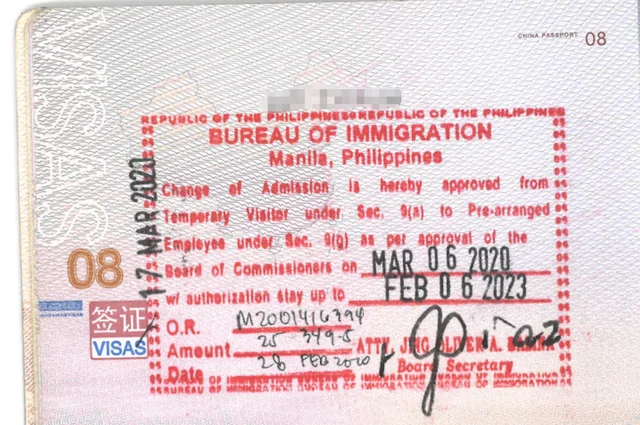
British visitors wishing to stay longer than 30 days can extend their visa at the Philippine Bureau of Immigration. The process involves:
- Filing an extension application before your initial stay expires.
- Presenting your passport, completed application forms, and paying the required fees.
- For the first extension, the stay is typically extended up to 59 days with a fee of approximately ₱3,030.
- Subsequent extensions can be granted in one- or two-month increments (fees vary), but require issuance of the Alien Certificate of Registration Identity Card (ACR I-Card).
- The ACR I-Card is a mandatory identification card for foreigners staying in the country for more than 59 days and involves additional processing fees.
Early application for extensions is critical to avoid overstay penalties, which may include fines or detention.
Health and Vaccination Requirements for British Travelers
Health protocols remain a key component of international travel safety:
- Travelers arriving from countries with yellow fever transmission risk are required to have a valid yellow fever vaccination certificate.
- Polio vaccination is recommended or required if coming from specific high-risk countries as designated by the Philippine health authorities.
- Ensure your routine immunizations are up to date.
- Due to evolving public health policies, travelers must comply with the latest COVID-19 protocols, which often include mandatory health declarations and eTravel registration.
Stay informed of the latest health requirements from official Philippine government and embassy channels prior to travel.
eTravel Registration: The Mandatory Digital Entry Requirement
All travelers, including British nationals, must complete the Philippine eTravel registration system within 72 hours before travel. Key points include:
- Registration is free at etravel.gov.ph and requires accurate personal, travel, and health information.
- Once registered, a QR code is issued, which must be presented upon arrival.
- Failure to produce the eTravel QR code may result in refusal of boarding by airlines or denied entry.
- eTravel registration streamlines the quarantine, health monitoring, and immigration entry process.
Customs and Currency Regulations at Philippine Entry
Upon arrival, you must comply with Philippine customs regulations:
- Declare any goods subject to taxes, restrictions, or prohibitions.
- You must not bring more than ₱50,000 (Philippine Pesos) in cash without declaring it.
- Bringing in foreign currency exceeding USD 10,000 or equivalent must be declared on the foreign currency declaration form.
- The customs authorities may inspect baggage; be aware of items banned or restricted under Philippine law.
- It is illegal to import drugs, firearms, pirated media, and certain agricultural products without specific permits.
Always check for updated customs rules before your trip.
Exit Requirements for British Citizens Staying Longer Than Six Months
If your visit exceeds six months, you are required to secure an Emigration Clearance Certificate (ECC) before departure:
- The ECC process involves submitting an application to the Bureau of Immigration with the necessary documents, such as your passport, visa extension receipts, and ACR I-Card.
- The ECC validates that you have no pending cases with immigration and that you have complied with residency regulations.
- Two types of ECC exist: ECC-A for departing residents who are ending their stay, and ECC-B for temporary exits with plans to return.
- Failure to secure an ECC if applicable may result in travel delays or fines.
Important Notes on Airport Taxes and Fees
- Departure tax has been largely abolished at Manila’s main airport, but it remains applicable at Cebu Mactan Airport, where a departure fee of ₱850 or its equivalent in USD must be paid.
- Other airports may impose additional terminal fees for international travelers.
- Airlines may collect these fees during check-in or upon boarding; always confirm with your carrier.
Travel with Minors: Special Considerations for British Parents
British parents traveling to the Philippines with children should be aware of the specific requirements:
- Minors below 14 traveling without parents or with third parties may require additional waivers or clearances.
- Legal or custody documents may be required to prevent issues at immigration checkpoints.
- Always carry original birth certificates and parental consent affidavits where applicable.
Tips for a Smooth Entry as a British National
- Confirm passport validity and eTravel registration well ahead of your flight.
- Keep arrival and departure tickets accessible as proof of onward travel.
- Ensure you have no outstanding legal issues or immigration violations that may flag your travel.
- Keep multiple copies of important documents (passport, visa, ID) while traveling.
- Familiarize yourself with updated Philippine government requirements, which may change due to health or security policies.
Key Takeaways
Navigating entry requirements as a British citizen traveling to the Philippines in 2025 demands preparation and attention to regulatory details, from passport validity and visa exemptions to health and customs protocols. Following official guidelines and staying informed about policy updates lays the groundwork for a trouble-free visit, enabling you to experience the Philippines’ rich culture and opportunities with confidence.
Need Assistance with Your Philippine Entry?
Whether you’re a tourist, business traveler, student, or expat, Work Visa Philippines offers expert guidance for all your Philippine entry, visa, and travel documentation needs. We simplify preparation, applications, and compliance so you can focus on your journey:
- Contact Us Here
- Fill Out the Form Below
- Call us at +63 (02) 8540-9623