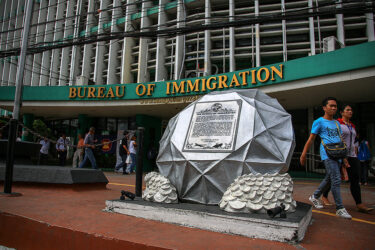
A Blacklist Order (BLO) is an administrative measure issued by the Bureau of Immigration (BI) that prohibits a foreign national from entering the Philippines and cancels any existing visas or residency permits. For professionals and investors, being placed on the blacklist is a severe regulatory setback that often stems from visa overstaying, undocumented labor, or violations of the Philippine Immigration Act.
Understanding the Nature and Effect of a Blacklist Order
A Blacklist Order is a derogatory record maintained in the Bureau of Immigration’s centralized database, serving as a permanent bar to entry unless formally lifted by the Commissioner or the Board of Commissioners. Unlike a Watchlist or a Hold Departure Order, which may only involve secondary inspections or exit blocks, a BLO triggers automatic refusal of entry at any international airport or seaport.
Once a foreign national is blacklisted, any current Philippine visa—such as a 9G work visa or a 13A resident visa—is immediately invalidated, and the individual’s Alien Certificate of Registration (ACR I-Card) is cancelled. Attempting to enter the country while a BLO is active is considered a separate immigration offense and can lead to summary deportation and an extension of the blacklisting period.
Common Grounds for Issuing a Blacklist Order
The Bureau of Immigration issues blacklist orders under Sections 29 (excluded classes) and 37 (deportable classes) of the Philippine Immigration Act of 1940, targeting individuals deemed “undesirable” or in violation of their stay conditions.
Understanding these triggers is the first step in maintaining compliance.
- Visa Overstaying: Foreigners who exceed their authorized stay for prolonged periods without proper extensions or downgrading are often summarily deported and blacklisted.
- Undocumented Employment: Working without a valid 9G visa or an Alien Employment Permit (AEP) is a primary ground for arrest, deportation, and inclusion in the blacklist.
- Violation of Stay Conditions: Engaging in activities not permitted by one’s visa, such as studying on a tourist visa or conducting business on a student visa.
- Criminal Records or Serious Crimes: Foreign nationals convicted of crimes involving moral turpitude or those flagged by INTERPOL for serious offenses abroad.
- Public Interest and Security: Individuals deemed a threat to national security, public health, or public order by the Department of Justice or the BI.
Minor administrative lapses, such as failing to file the Annual Report once, typically result in fines, but repeated or gross defiance of immigration protocols frequently escalates to a BLO.
Consequences of Being Blacklisted in the Philippines
The impact of a Blacklist Order extends beyond a simple travel ban, affecting the individual’s legal status, personal assets, and future ability to visit the Philippines for business or family. For long-term residents, the fallout can be particularly disruptive.
- Immediate Refusal of Entry: Airline carriers are notified via the Advance Passenger Information System (APIS), often preventing the individual from even boarding a flight to the Philippines.
- Visa and Permit Cancellation: Any pending applications for work permits, extensions, or permanent residency are automatically denied, and existing permits are revoked.
- Loss of Residency Rights: Holders of 13A or 13G visas lose their right to reside in the country and may face complications with property ownership or local bank accounts.
- Interagency Sharing: BI data is often shared with ASEAN partners and international law enforcement agencies, which may lead to increased scrutiny when traveling to other countries.
Because a BLO does not expire automatically, a blacklisted individual remains barred indefinitely unless they successfully petition for the order to be lifted.
How to Verify if You are on the Immigration Blacklist
Foreign nationals who suspect they have been blacklisted—perhaps due to a previous deportation or an unresolved overstay—must verify their status through official channels before attempting travel. A “Certification of Non-Derogatory Record” is the standard document used for this purpose.
- Verification at BI Main Office: A request must be filed with the Verification and Certification Unit (VCU) at the BI Main Office in Intramuros, Manila.
- Required Details: The requester (or their authorized representative) must provide full names, passport numbers, and dates of birth.
- Certification Fees: The process costs approximately PHP 500 to PHP 1,000 and typically takes 3-7 business days.
- Details of the BLO: If a “hit” is found, the certification will specify the grounds for the blacklist and the date it was issued, which is essential for drafting a petition to lift it.
For those outside the Philippines, a Philippine-based legal representative with a Special Power of Attorney (SPA) can perform this check on their behalf.
Eligibility for Lifting a Blacklist Order in 2026
Not all blacklist orders are eligible for lifting, as the Bureau of Immigration applies strict criteria based on the severity of the original offense and the length of time that has passed. Under the current 2026 guidelines, several factors determine eligibility.
- Minimum Waiting Periods: Minor violations like overstaying may require a 3-month to 1-year wait, while more serious offenses require 5 to 10 years before a petition is considered.
- Settlement of Liabilities: All outstanding fines, overstaying fees, and Emigration Clearance Certificate (ECC) dues must be paid in full.
- Evidence of Rehabilitation: The petitioner must show they have been law-abiding in their current country of residence through police clearances and character references.
- Humanitarian Grounds: Strong family ties in the Philippines (e.g., a Filipino spouse or children) or significant business investments can serve as compelling reasons for reconsideration.
Individuals blacklisted for heinous crimes, terrorism, or recurring criminal behavior are often deemed permanently ineligible for lifting unless there is a clear error in the original record.
Core Requirements for a Petition to Lift Blacklist
To initiate the removal of a Blacklist Order, a formal “Petition to Lift Blacklist Order” or a “Motion to Lift” must be filed with the Office of the Commissioner of the Bureau of Immigration. This administrative pleading must be supported by a robust document kit.
- Letter-Petition: A formal request addressed to the Commissioner detailing the grounds for the request and the legal bases for lifting.
- Notarized Affidavit of Explanation: A sworn statement by the foreign national explaining the circumstances of the violation and expressing remorse or proof of rectified status.
- Proof of Identity: Clear photocopies of the current passport (bio-page and previous Philippine visa pages) and birth certificate.
- Official Clearances: A National Bureau of Investigation (NBI) clearance if the applicant is in the Philippines, or a certified police clearance from their home country if abroad.
- Payment Receipts: Copies of receipts showing the settlement of previous fines, deportation fees, or other immigration liabilities.
All documents issued outside the Philippines must be properly apostilled or authenticated by the Philippine Embassy or Consulate in the country of issuance to be accepted by the BI.
Step-by-Step Process to Lift a Blacklist Order
The procedure for lifting a BLO is a multi-layered administrative process that involves legal review, investigation, and final approval by the Board of Commissioners. Expect the following timeline when filing a petition.
- Verification and Filing: Confirm the blacklist details and file the formal petition and supporting documents at the BI Legal Division in Intramuros.
- Legal Review: The BI Legal Division reviews the petition for completeness and may schedule a hearing or request additional evidence to verify the petitioner’s claims.
- Board Resolution: The petition is forwarded to the Board of Commissioners. If approved, they issue a Board Resolution (BR) stating that the BLO is lifted, subject to payment of final fees.
- Payment of Assessed Fines: Pay the required docketing fees and any remaining administrative fines assessed by the Board.
- Database Update: The BI’s IT Division receives the “Order Lifting Blacklist” (OLB) and deletes the derogatory entry from the Border Control System.
- Certification: The applicant receives a formal “Certification of Lifting,” which they should carry during their first re-entry to the Philippines.
The entire process typically takes 8 to 12 weeks, though complex cases or those requiring extensive background checks can extend to 6 months.
Fees, Fines, and Costs Associated with BLO Lifting
The financial cost of removing a name from the blacklist involves both standard government processing fees and the settlement of the original immigration liabilities. For a typical 2026 application, the fee matrix includes several components.
- Petition Filing/Docket Fee: Approximately PHP 10,000.
- Motion for Reconsideration (if needed): PHP 2,020 if the initial petition is denied.
- Express Lane and LRF Fees: PHP 550 for expedited processing and legal research.
- Overstaying Fines: PHP 500 per month for the first six months, increasing to PHP 1,000 per month thereafter, plus a PHP 2,000 motion fee.
- Certification of Lifting: PHP 500 for the official document confirming the removal.
Total government charges often range between PHP 15,000 and PHP 40,000, depending on the length of the overstay and the complexity of the case. Professional fees for accredited legal counsel, though not mandatory, are common for these cases and can range from PHP 40,000 to PHP 120,000.
Common Mistakes When Petitioning to Lift a Blacklist
Many petitions to lift a Blacklist Order are delayed or denied due to avoidable errors in documentation or a failure to address the core reasons for the original blacklisting. Understanding these pitfalls is vital for a successful 2026 application.
- Incomplete Documentation: Filing a petition without the required apostilled police clearances or certified copies of the original BLO.
- Insufficient Justification: Providing a vague affidavit that does not adequately explain why the violation occurred or why the individual should no longer be considered “undesirable.”
- Unpaid Liabilities: Assuming the petition can be approved, while previous fines or deportation costs remain unpaid.
- Premature Filing: Attempting to lift a blacklist before the mandatory waiting period (e.g., filing after 1 month for a 1-year ban) has elapsed.
- Non-Accredited Representatives: Engaging “fixers” instead of BI-accredited counsel or authorized representatives, which can lead to fraudulent filings and permanent blacklisting.
Petitions must be persuasive and evidence-based, focusing on rehabilitation and the petitioner’s positive contributions to the Philippines.
Strategies for a Successful Re-Entry After Lifting
Once a Blacklist Order is successfully lifted, the foreign national must still follow specific protocols to ensure their first re-entry to the Philippines is smooth and compliant. The process does not end with the database update.
- Secure a New Visa: A lifted BLO does not restore your old visa; you must apply for a new 9A tourist visa or have an employer file for a new 9G work visa before traveling.
- Carry the Certification of Lifting: Keep the original BI “Order Lifting Blacklist” and the “Certification” in your carry-on luggage to show immigration officers at the airport if a “legacy hit” appears in the system.
- Coordinate with the Bureau of Immigration: Verify with the BI’s IT Division a few days before your flight that your name has been completely cleared from the Border Control System.
- Plan for Secondary Inspection: Be prepared for a brief interview at the airport during your first few entries, as officers may want to verify that you are now fully compliant with immigration laws.
Properly documented re-entry is the final step in closing the chapter on a previous blacklist order.
Key Takeaways
A Blacklist Order is a severe administrative barrier that blocks a foreign national’s entry into the Philippines and cancels all existing visas, typically resulting from visa overstays, undocumented work, or other serious immigration violations. Resolving a BLO is not automatic and requires a formal petition to the Bureau of Immigration, supported by apostilled clearances, proof of rehabilitation, and the full settlement of government fines—a process that typically takes 8 to 12 weeks. While minor violations may be eligible for lifting after a short wait, success depends on a persuasive, well-documented motion that proves the petitioner is no longer “undesirable” under Philippine law.
Is Assistance Available?
Yes. Work Visa Philippines provides the expert legal coordination and BI-accredited representation needed to navigate the complexities of blacklist removal. We handle everything from non-derogatory status verification and fine assessment to the drafting of motions and re-entry visa processing, ensuring your record is cleared and your return is fully compliant.
Don’t let a past mistake permanently bar you from the Philippines; clear your record today. Contact Work Visa Philippines for an expert blacklist assessment:
- Contact Us Here
- Fill Out the Form Below
- Call us at +63 (02) 8540-9623