Being an expat in the Philippines can be incredibly rewarding—warm climate, English-speaking communities, relatively low living costs, and welcoming locals. At the same time, many foreigners discover that day-to-day reality involves legal, cultural, logistical, and financial challenges that are easy to underestimate at the planning stage.
Visas and Legal Status for Expats
Every expat’s experience in the Philippines is shaped by visa choices and immigration compliance. Misunderstanding the rules around tourist, work, or special resident visas is one of the fastest ways to turn a dream relocation into a stressful situation.
Common long-stay options include:
- Successive tourist visa extensions (up to 36 months for many nationalities).
- 9(G) work visas for those employed by Philippine companies.
- Special Resident Retiree’s Visa (SRRV) for retirees wanting an indefinite stay.
- Special Investor’s Resident Visa (SIRV) or other investment-based residency paths.
Each has different documentary requirements, fees, and reporting obligations, and many expats rely on visa specialists to avoid overstays or unintentional violations.
Bureaucracy, Paperwork, and Government Processes
Many expats report that local bureaucracy is more paper-heavy and slower than in their home countries. Processes such as visa extensions, ACR I‑Card renewals, driver’s license applications, bank account openings, and business registrations can involve multiple trips, queues, and seemingly inconsistent rules.
Pain points often include:
- Changing documentary requirements between offices.
- Limited online systems in some agencies or frequent downtime.
- Need for apostilled or authenticated foreign documents (e.g., marriage or birth certificates) before the Philippine authorities will accept them.
Using reputable fixers or consultants is tempting, but it is also risky; the safest route is to work with licensed professionals or law firms that follow official procedures.
Finding the Right Visa and Work Path
Expats who want to work or run a business face added complexity. Philippine law strictly separates non-work visas (tourist, business, student, SRRV in many cases) from work authorization, and simply having a long-term stay visa does not necessarily mean you can legally earn income from local sources.
Typical challenges:
- Understanding that a business visa or 9(A) status does not permit employment.
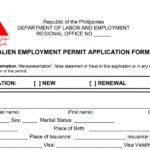
- Navigating the combination of Alien Employment Permit (AEP) plus 9(G) work visa or special visas (e.g., PEZA 47(A)(2)).
- Structuring small businesses, consulting, or online work to remain compliant with tax and immigration rules.
Professional guidance is essential for expats who plan to stay longer than a casual retirement and want to participate in the local economy.
Housing, Property, and Land Ownership Limits
Many expats are surprised to learn they cannot own land in the Philippines, though they may own condominium units (subject to foreign ownership caps) or long-term leases on land.
Common friction points:
- Confusion around placing land in a Filipino spouse’s name and the implications for marital property rights.
- Unrealistic expectations about “cheap property” and underestimating renovation, association dues, or disaster risk.
- Lack of clarity on using corporations or long-term leases to structure investments.
Sound property and family-law advice before purchasing or building is especially important for expats in cross-cultural relationships or planning to leave assets to heirs.
Banking, Money, and Cost of Living Surprises
Though the Philippines is often marketed as a low-cost destination, expats increasingly report that real-world costs—especially in Metro Manila, Cebu, and popular tourist islands—are higher than expected.
Key issues:
- Imported goods, quality healthcare, international schools, and secure housing can be expensive.
- Some banks are strict about opening accounts for non-residents or applicants without stable local visas.
- Cross-border taxation, currency fluctuations, and pension transfers can complicate long-term planning.
Expats are well-advised to maintain diversified banking arrangements, keep emergency funds, and consult tax professionals familiar with both Philippine and home-country rules.
Healthcare, Insurance, and Emergencies
Access to modern hospitals and specialists exists in large cities but can be limited in rural areas. Many expats report anxiety around:
- Emergency response times and quality of provincial healthcare.
- The need for comprehensive international or local private health insurance.
- Upfront payment policies at some private hospitals.
For older expats or those with chronic conditions, careful selection of a home base (near a good hospital) and robust insurance is critical for peace of mind.
Cultural Adjustment, Community, and Safety
Culture shock is a recurring theme in expat forums. While most foreigners appreciate Filipino warmth and hospitality, they often need time to adapt to:
- Indirect communication styles and a strong emphasis on harmony and “saving face.”
- Extended family expectations, particularly in relationships where foreign partners are assumed to be financially better off.
- Different concepts of time, schedule reliability, and service standards.
Safety concerns tend to be localized. Petty crime, scams targeting foreigners, and occasional corruption issues are real but manageable with common-sense precautions—avoiding risky neighborhoods, verifying transactions, and keeping a low profile.
Family, Relationships, and Legal Complexity
For expats married to or in long-term relationships with Filipinos, law and culture intersect in powerful ways:
- Family law and property regimes (e.g., absolute community vs. conjugal partnership) govern how assets are shared or divided.
- The Philippines does not recognize divorce for Filipino citizens; foreign divorces may or may not be recognized, depending on circumstances.
- Custody and inheritance issues can be complicated, especially when children hold dual nationality or assets are in multiple countries.
Consulting a lawyer with experience in expat family law can prevent serious problems later, particularly when buying property, drafting wills, or considering prenuptial agreements.
Finding Reliable Support as an Expat in the Philippines
Because many pain points are legal or bureaucratic, the quality of professional support an expat receives can make an enormous difference in their experience.
Helpful support sources include:
- Immigration and visa specialists for choosing and maintaining the right stay status.
- Corporate and tax advisers for expats running businesses or working locally.
- Family and property lawyers for marriage, custody, inheritance, and real estate concerns.
- Reputable relocation, property management, and insurance providers for practical daily needs.
Expats who proactively build a small team of trusted professionals generally report fewer crises and a smoother long-term adjustment than those who rely solely on informal advice from social media or bar conversations.
Final Insights
Every expat’s situation is unique, but several broad strategies consistently help:
- Start with the right visa and stay on top of renewals; overstays and last-minute extensions cause avoidable stress.
- Budget realistically, including healthcare, schooling, travel home, and visa/permit costs.
- Learn basic Filipino or local dialect phrases and invest in understanding social norms.
- Document everything: keep copies of contracts, receipts, IDs, and immigration records.
- Avoid get-rich-quick schemes and be cautious about going into joint ventures without legal due diligence.
- Build a mixed network of fellow expats and Filipinos; both perspectives are invaluable.
Those who treat the Philippines as a real, complex country—not just a “cheap paradise”—tend to build more sustainable and satisfying lives here.
Need Help as an Expat in the Philippines?
Work Visa Philippines supports expats at every stage of their journey—from choosing the right visa or residency program to resolving work, business, or family-related immigration issues. Whether you are newly arrived or already established, our team helps you navigate rules, minimize risk, and focus on enjoying your life in the Philippines:
- Contact Us Here
- Fill Out the Form Below
- Call us at +63 (02) 8540-9623