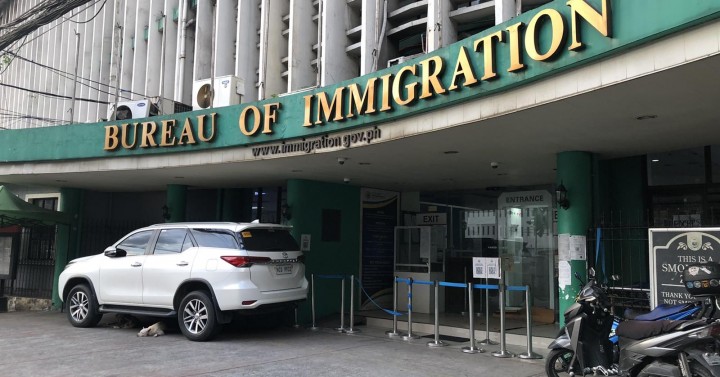
Cross-border business activity between the Philippines and foreign jurisdictions has surged in 2026, driven by digital nomadism, remote work, and international consulting engagements. Foreign law firms, relocation consultancies, and business advisory services are increasingly marketing their services to Filipino businesses and individuals, while local companies seek foreign partners to expand into global markets. However, this promising landscape is governed by a complex web of Philippine laws that regulate foreign investment, professional practice, visa status, and tax obligations.
Cross-Border Business Structures and Foreign Investment Rules
The legal design of a cross‑border business relationship in the Philippines depends primarily on whether the foreign entity will operate through a local presence or remain offshore while providing services to Philippine clients. The Philippines permits foreign ownership in most sectors, but certain activities remain restricted or closed under the Foreign Investment Negative List (FINL).
Common business structures for foreign interests include:
- Branch office or representative office: Useful for foreign companies that maintain a Philippine presence without full incorporation, subject to registration with the Securities and Exchange Commission (SEC) and compliance with the FINL.
- Local corporation: A Philippine‑registered corporation with foreign shareholders, where the percentage of foreign equity is determined by the sector’s FINL classification (e.g., 100% foreign‑owned, capped at 40%, or prohibited).
- Economic zone‑registered entity: A PEZA‑ or BOI‑accredited company, which offers streamlined visa and immigration processing for foreign employees and tax incentives for export‑oriented or high‑technology ventures.
Before launching any advertising or operational activity in the Philippines, foreign consultancies must conduct a foreign‑equity and sectoral review to ensure compliance with the FINL and the Corporation Code. Choosing the wrong structure can expose the venture to civil, tax, and immigration penalties, including the revocation of business permits and visas for key personnel.
Professional Licensure and Practice Restrictions
Foreign relocation and business consultancies must be especially cautious when rendering services that involve Philippine law, quasi‑legal advice, or regulated professional services. The Philippines reserves the practice of law for members of the Philippine Bar in good standing, and offering legal advice on Philippine immigration, business formation, or regulatory compliance without proper licensure is strictly prohibited.
Additionally, the Professional Regulation Commission (PRC) governs regulated professions such as accountancy, engineering, real estate brokerage, and certain technical advisory services. A foreign national providing consultancy in these areas without a valid PRC license or an applicable exemption can face sanctions, including fines and reputational damage. Data privacy and consumer‑protection laws also apply; marketing materials that promise guaranteed visa outcomes or exact tax savings can trigger censorship and consumer‑protection complaints if the claims are unrealistic or misrepresent local legal requirements.
Immigration and Visa Frameworks for Foreign Service Providers
The way a foreign consultant interacts with the Philippines determines the correct visa and immigration pathway. Philippine law distinguishes between short‑term business visits, long‑term employment, and specialized economic‑zone roles, each with its own legal conditions.
- 9(a) Temporary Visitor (Business Visitor) Visa: Suitable for short‑term business trips, conferences, or meetings where the foreign consultant is not receiving remuneration from a Philippine source and is not engaging in productive labor. This visa is typically obtained at a Philippine embassy or consulate before entry.
- 9(g) Pre-Arranged Employment Visa: Required if the foreign national is employed by a Philippine‑registered company, including a self‑owned local entity, and is receiving a salary or compensation subject to Philippine labor and immigration law. This visa is preceded by the issuance of an Alien Employment Permit (AEP) from the Department of Labor and Employment (DOLE), which confirms that the role cannot be filled by a qualified Filipino.
- PEZA/47(a)(2) Special Non‑Immigrant Visa: For foreign employees of PEZA‑ or BOI‑registered entities, this visa offers a streamlined process and often permits multiple‑entry privileges and faster processing.
- Special Investor’s Resident Visa (SIRV) or Special Resident Retiree’s Visa (SRRV): For investors or retirees, these visas offer long‑term residency and multiple‑entry privileges, though they may require additional documentation and compliance with financial‑deposit rules.
A cross‑border consultancy that fails to secure the correct visa for its expatriate staff risks illegal employment charges, deportation, and blacklisting, as well as penalties for the Philippine‑based employer. Work Visa Philippines specializes in aligning visa strategy with business structure, including AEP and 9(g) processing, PEZA approvals, and investor visa options for foreign‑based partners.
Cross-Border Taxation and Service Payment Rules
The Philippines has clarified its tax treatment of cross‑border services in recent Revenue Memorandum Circulars, reinforcing the source‑based taxation principle. Under these rules, income is taxed where the economic activity actually occurs, even if the service provider is located offshore.
For example:
- If a foreign consultancy conducts a significant portion of its work in the Philippines (e.g., on‑site training, meetings, or data processing), the revenue may be sourced in the Philippines and subject to Philippine income tax and VAT.
- Philippine payors that remit payments for services that are utilized or executed in the Philippines must withhold 25% final withholding tax and 12% final withholding VAT from the foreign service provider.
Foreign consultancies must therefore:
- Review their service contracts to classify where work is performed and where benefits are received.
- Clarify invoicing and withholding obligations with their Philippine clients, and ensure local partners understand their responsibilities as withholding agents.
- Assess the availability of tax treaties that may reduce withholding rates or provide relief from double taxation.
Failure to comply with Philippine tax rules can result in penalties, surcharges, and reputational damage, particularly if the consultancy is viewed as structuring payments to circumvent local tax obligations.
Data Privacy, Consumer Protection, and Contractual Safeguards
As a data‑driven services industry, cross‑border relocation and business consultancies must comply with the Philippine Data Privacy Act (RA 10173) and related regulations. The law requires businesses to implement appropriate technical and organizational measures to protect personal information, obtain valid consent, and ensure lawful data processing. Noncompliance can lead to fines, orders of suspension, and civil liability in the event of a data breach.
Consumer‑protection rules also apply to marketing and advertising. Claims such as “guaranteed visa approval” or “no risk” can be deemed misleading, especially when immigration outcomes depend on government discretion and complex regulatory processes. A robust compliance strategy includes:
- Clear, accurate disclaimers in marketing materials and client agreements.
- Scope‑of‑work provisions that distinguish between advisory services and legal representation.
- Dispute resolution and jurisdiction clauses in cross‑border contracts, specifying the governing law and forum for any disputes.
Such clauses protect the consultancy from being dragged into unfamiliar or inconvenient legal forums and ensure that both parties understand the legal framework governing the relationship.
Dispute Resolution and Jurisdictional Considerations
Cross‑border engagements often give rise to disputes that straddle jurisdictions, making jurisdiction and forum‑selection clauses essential in any contract. The consultancy must decide whether disputes will be resolved in Philippine courts, in a foreign jurisdiction, or through arbitration, and then draft clear, enforceable clauses that reflect that choice.
In addition to jurisdiction, the governing law must be specified, since Philippine law and the law of the foreign consultancy’s home jurisdiction may differ substantially on issues such as contract formation, liability, and professional‑practice standards. Early engagement with Philippine counsel can help ensure that the agreement complies with local mandatory rules and is enforceable in the chosen forum.
Strategic Recommendations for Foreign-Based Consultancies
For any foreign‑based relocation or business consultancy exploring the Philippine market, early legal due diligence is not optional but essential. Key strategic steps include:
- Engaging Philippine counsel to review your business model, including the use of branch offices, PEZA registrations, or local corporate entities, and to ensure compliance with the FINL and immigration rules.
- Verifying visa and work‑permit requirements for your expatriate staff and ensuring that AEPs and 9(g) visas are secured before any on‑site or long‑term engagement.
- Reviewing cross‑border service contracts with tax and data‑privacy experts to align with Philippine tax withholding rules and Data Privacy Act requirements.
- Avoiding activities that amount to the unauthorized practice of law in the Philippines, and limiting Philippine‑focused legal advice to collaboration with licensed Filipino lawyers.
Final Insights
Cross‑border business between the Philippines and foreign jurisdictions offers substantial opportunities for relocation consultancies, professional service providers, and foreign investors, but it is tightly regulated by investment, immigration, tax, and data privacy laws. Foreign entities must carefully choose the appropriate business structure, secure the correct visas for their staff, comply with Philippine cross‑border tax rules, and respect local professional‑practice and consumer‑protection standards.
Get Expert Assistance
Work Visa Philippines helps foreign‑based consultancies navigate these complex issues by providing tailored immigration and visa strategies, AEP and 9(g) processing, and compliance frameworks that align with Philippine law. We partner with both local clients and international firms to ensure that your cross‑border business remains compliant, efficient, and dispute‑free.
Contact our team of experts today:
- Contact Us Here
- Fill Out the Form Below
- Call us at +63 (02) 8540-9623