Foreigners interested in investing or settling in the Philippines often seek clarity on the legalities involved in purchasing real estate. While the country welcomes foreign investors, property ownership laws are distinctive and impose specific restrictions, especially on land ownership. Understanding these nuances, permissible property types, financing options, and legal processes is essential for a smooth and compliant purchase.
Understanding Philippine Property Ownership Laws for Foreigners
Philippine law allows foreigners to own certain types of real estate, but with key restrictions fundamental to compliance.
- Foreigners cannot own land outright due to constitutional limitations preserving national patrimony.
- However, they can own condominium units, subject to the Philippine Condominium Act, provided that foreign ownership within the condominium corporation does not exceed 40%.
- Foreign nationals may also acquire buildings, houses, and other structures on land that they do not own but lease.
- The maximum lease term for land is 50 years, renewable for an additional 25 years, allowing effective long-term use without land title ownership.
- Foreigners may invest by owning up to 40% equity in real estate holding corporations that possess land titles, giving indirect land use rights.
Understanding these rules is vital before exploring property purchase options to ensure legal ownership and usage rights.
Types of Properties Foreigners Can Buy
Condominium Units
Foreigners often favor condominium units as these can be wholly owned by non-Filipinos (up to their legal maximum share in the building).
- Condominiums hold individual titles for units but share common areas.
- They are often located within urban centers, business districts, and resort developments.
- Foreign ownership is generally capped at 40% of total units in the condominium project by law.
- Units are suitable strictly for residence or business offices, not farming or agriculture.
House and Lot or Land Leasehold
Foreigners may purchase buildings but not the land beneath them. Land is leased, often with options to renew.
- Lease contracts usually span 50 years with renewal options.
- Allowed for residential or commercial purposes.
- Due diligence on lease agreements and land titles of the landlord is crucial.
Real Estate Investment Trusts (REITs)
Foreigners can invest indirectly in Philippine real estate markets through REITs listed on the Philippine Stock Exchange, offering exposure to diversified property portfolios without direct ownership.
The Legal Process of Buying Property as a Foreigner
Purchasing property involves several legal and administrative steps essential for securing peaceful ownership and avoiding fraud or title issues.
Step 1: Conduct Due Diligence
- Verify the seller’s ownership through the Land Title and Registry at the Registry of Deeds.
- Check encumbrances, liens, or outstanding debts.
- Confirm zoning and land use regulations with local government units.
Step 2: Sign a Contract to Sell or Reservation Agreement
- An agreement outlining payment terms, completion schedule, and conditions.
- Sometimes includes a deposit or reservation fee, ensuring the property is held for the buyer.
Step 3: Secure a Tax Identification Number (TIN)
- Required to process taxes and formalize ownership.
- Obtainable at the Bureau of Internal Revenue (BIR).
Step 4: Pay the Required Taxes and Fees
- Transfer tax, typically 0.5% to 0.75% of the property’s assessed value.
- Documentary stamp tax of 1.5%.
- Capital gains tax of 6% payable by the seller, but sometimes passed to the buyer.
Step 5: Register Ownership and Transfer the Title
- File the Deed of Absolute Sale and other documents with the Registry of Deeds.
- Wait for the issuance of the new Transfer Certificate of Title (TCT) indicating foreign ownership (in condominiums) or the right to a leasehold.
How to Live in or Manage Your Property
Owning a condominium or leasing land in the Philippines is only one part of building a successful investment or second home; you also need the right immigration status and a clear plan for day-to-day management. Non‑citizens who wish to reside in or actively manage their property must secure an appropriate visa and put systems in place to protect their asset, whether they stay in the country full‑time or oversee it from abroad.
To live in your property, common options include:
- Special Resident Retiree’s Visa (SRRV): Ideal for those 35 and above who want to reside in the Philippines long term, the SRRV offers indefinite stay with multiple‑entry privileges and is especially attractive for retirees looking for stability and ease of travel.
- Tourist Visa: Suitable for short‑term or part‑time residents, this allows an initial stay followed by extensions of up to a cumulative 36 months for most nationalities, provided all immigration rules are followed.
- Special Investor’s Resident Visa (SIRV): Designed for foreign nationals who place a qualifying investment (typically starting at USD 75,000) in a Philippine enterprise or project, this visa allows residence as long as the investment is maintained.
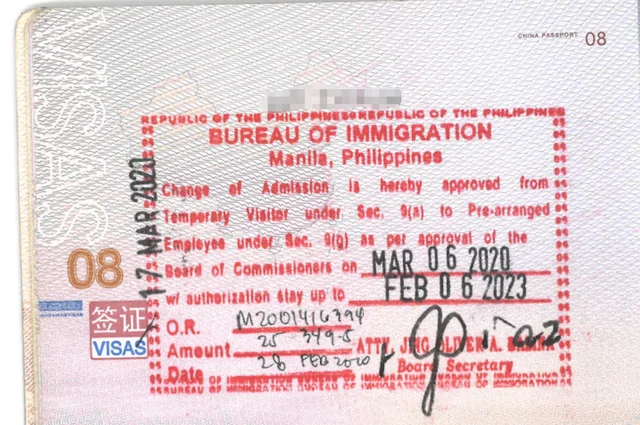
- Work Visas (such as the 9(G) Visa): Appropriate for foreigners employed in or actively running a Philippine-based business, this visa is tied to a specific employer and role and can allow you to live in the country while also overseeing your property as part of your overall affairs.
To manage your property effectively, consider the following approaches:
- Manage directly: Establish long‑term residence in the Philippines so you can personally handle tenant relations, maintenance, and improvements.
- Hire local property managers: Engage professional management firms—especially in major cities or tourist areas—to take care of marketing, tenant screening, rent collection, repairs, and inspections on your behalf.
- Work with trusted local partners: If you hold property jointly with a Filipino co‑owner or have a reliable local contact, they can oversee daily operations, supervise staff, and coordinate with contractors and building administration.
- Use remote management tools: Combine online platforms (for example, short‑term rental portals or digital rent collection systems) with on‑the‑ground real estate agents for leasing, move‑ins, and move‑outs.
- Ensure legal and tax compliance: Retain a local lawyer or tax adviser to review leases, association rules, and regulatory obligations, and to ensure that property taxes, income tax on rentals, and other fees are properly filed and paid.
Even if you are based overseas, scheduling periodic visits or arranging regular virtual check‑ins with your managers and tenants helps maintain oversight, protect your asset, and keep your property attractive to current and future occupants.
Financing Property Purchases for Foreigners
Foreigners face certain constraints in financing real estate in the Philippines:
- Local banks often require substantial down payments and proof of legal residency.
- Mortgage loans are generally easier to obtain for condominium purchases.
- Leasehold purchases typically require an upfront cash payment; financing options are limited.
- Some foreign banks offer loans for overseas property acquisition, but under specific guidelines.
- Budget planning must include purchase price, taxes, legal fees, property management, and maintenance costs.
Risks and Precautions When Buying as a Foreigner
- Be wary of unscrupulous sellers and offshore scams targeting foreign buyers.
- Sample thoroughly the title documents and contracts with expert legal counsel.
- Understand foreign ownership caps to avoid illegal over-ownership exposure.
- Consider the resale or inheritance implications of foreign-owned property.
- Verify that all local taxes and permits are up to date and properly paid.
- Use licensed real estate brokers or agents familiar with foreign purchases.
Benefits of Owning Property as a Foreigner in the Philippines
- Legal residence and presence that may support visa applications.
- Exposure to a growing real estate market with tourism and expat-demand drivers.
- Ability to use the property for vacation, primary residence, or income through rentals.
- Potential hedge in emerging market currencies and economic recovery trends.
- Building a foundation for potential business or family expansion.
Key Takeaways
While constitutional restrictions limit land ownership, foreigners have viable options to invest in Philippine real estate with security and legality. Condominium units and long-term leases provide practical means to own or use real estate while navigating the country’s regulatory environment. With due diligence, expert advice, and a full understanding of the process and responsibilities, foreign buyers can make confident investments and enjoy the rich lifestyle the Philippines offers.
Need A Visa for Your Philippine Property Purchase?
Work Visa Philippines supports foreign clients in acquiring Philippine real estate compliantly. For all your visa needs, you can contact our team of experts:
- Contact Us Here
- Fill Out the Form Below
- Call us at +63 (02) 8540-9623