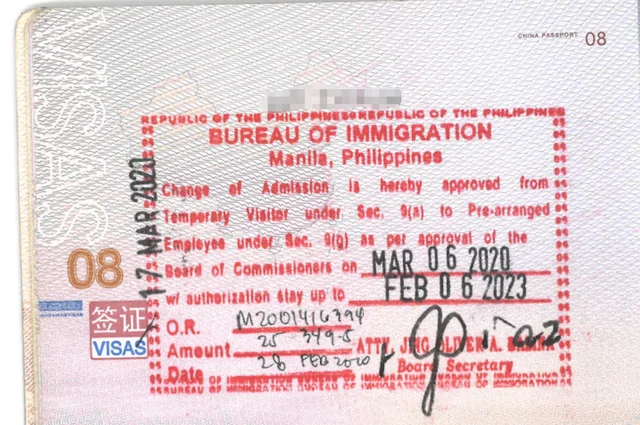
The landscape of job opportunities for foreigners in the Philippines has expanded significantly in 2026, driven by a post-pandemic economic surge in the IT, BPO, and manufacturing sectors. While the domestic labor market remains protected, the government actively welcomes foreign talent in specialized roles where local expertise is scarce, particularly in high-growth areas like cybersecurity, cloud engineering, and multilingual customer support. For professionals, identifying the right industry and understanding the updated Alien Employment Permit (AEP) rules are the first steps toward a successful career in the archipelago.
Leading Industries for Foreign Professionals in 2026
The Philippine economy continues to be anchored by robust growth in the services and industrial sectors, creating a steady stream of job opportunities for foreigners with global experience. While many roles are filled by the talented local workforce, expatriates are often recruited for leadership, technical, or specialized language positions.
- Information Technology and BPO: This sector remains the largest employer of foreign nationals, valued at over USD 38.7 billion and constantly seeking software developers, data scientists, and cybersecurity experts.
- Manufacturing and Engineering: Industrial zones in Laguna, Batangas, and Cebu are hiring foreign engineers and quality control specialists for electronics, shipbuilding, and automotive assembly.
- Education and Training: International schools and language centers in Metro Manila and Cebu frequently recruit native English speakers and specialized subject teachers.
- E-Commerce and Digital Marketing: With the boom of platforms like Lazada and Shopee, there is a high demand for e-commerce specialists and digital marketing managers with international market insights.
In 2026, the demand for niche specializations such as Cloud Engineering and Risk Management has also seen a significant uptick, often commanding premium salaries for qualified expats.
Multilingual Roles in the BPO and Shared Services Sector
The Philippines has solidified its position as a global hub for Business Process Outsourcing (BPO), and in 2026, the focus has shifted toward high-value multilingual support and shared services. Foreign nationals who are fluent in languages such as Mandarin, Japanese, Korean, Spanish, or German find extensive job opportunities for foreigners in customer relationship management and technical support.
These roles often come with competitive “language premiums” that significantly increase the base salary compared to local English-speaking roles. Companies like TTEC, Concentrix, and various shared service centers for multinational corporations actively recruit expats to bridge cultural and linguistic gaps for their global clients. Additionally, foreign managers and trainers are sought to oversee these multilingual teams, ensuring international service standards are met.
High-Demand Tech Occupations: Software, Data, and Cloud
Tech hiring in the Philippines has evolved from basic service-based roles to complex product development and digital operations in 2026. Foreign software engineers, particularly those with expertise in AI, blockchain, and mobile app development, are in high demand as local firms undergo digital transformation.
- Software Development: Demand for skilled developers in custom software solutions and AI integration is at an all-time high, with annual job growth reaching 11% in early 2026.
- Data Analytics and Science: Businesses increasingly rely on data-driven decision-making, seeking foreign experts to lead data science teams and implement advanced analytics models.
- Cybersecurity: As digital threats evolve, specialized cybersecurity roles in risk assessment, threat hunting, and cloud security are becoming critical for the banking and fintech sectors.
- Cloud Operations: Professionals skilled in AWS, Azure, and Google Cloud are highly sought after to manage the infrastructure of the country’s growing digital ecosystem.
Foreigners in these roles often serve as mentors to local teams, facilitating knowledge transfer as part of the government’s Understudy Training Program (UTP) requirements.
Specialized Roles in Manufacturing, Construction, and Logistics
The Philippines’ manufacturing and construction sectors have made a strong comeback in 2026, fueled by major infrastructure projects and increased foreign direct investment in industrial zones. This resurgence has created specific job opportunities for foreigners in engineering and project management.
Foreign experts are frequently recruited for large-scale “Build Better More” infrastructure projects involving bridges, roads, and smart city developments. In manufacturing, companies in the electronics and semiconductor industries—which remain the country’s top exports—seek foreign technicians and quality assurance managers to maintain global standards. Furthermore, the logistics sector, driven by e-commerce growth, requires specialists in supply chain optimization and inventory management systems to handle the increased volume of domestic and international trade.
Requirements for Securing a Job as a Foreigner
Securing employment in the Philippines as a foreign national involves a two-step regulatory process: obtaining an Alien Employment Permit (AEP) from the Department of Labor and Employment (DOLE) and a corresponding 9G work visa from the Bureau of Immigration (BI). In 2026, DOLE refined these rules to include a more rigorous “Labor Market Test” and “Economic Needs Test” (ENT).
- Alien Employment Permit (AEP): This permit is mandatory for any foreigner intending to engage in gainful employment; it certifies that no qualified Filipino is available for the role.
- Economic Needs Test (ENT): Under the updated 2026 rules, DOLE-Regional Offices conduct this test to determine if hiring a foreigner is truly necessary for the local market.
- Understudy Training Program (UTP): Employers are now required to implement a skills development program where the foreign national trains at least two Filipino understudies to eventually take over the role.
- Certificate of Exemption: Foreigners in exempt categories (e.g., resident visa holders or accredited officials) must now obtain an AEP Certificate of Exemption from DOLE.
Failure to secure these permits before starting work can lead to heavy fines, deportation, and a potential blacklist order from the Bureau of Immigration.
Navigating the 9G Work Visa Application in 2026
Once the AEP is secured, the foreign national must apply for the 9G Pre-Arranged Employment Visa, which is the most common work visa for professionals in the Philippines. This visa is employer-sponsored, meaning it is tied to your specific job and company.
The application process in 2026 requires the submission of the AEP, a valid passport, an employment contract, and various corporate documents from the employer to the Bureau of Immigration. The 9G visa is typically granted for one, two, or three years, matching the duration of the employment contract and the AEP. It is critical to ensure that your 9G visa and its corresponding ACR I-Card are renewed at least 30 days before expiry to maintain a continuous legal stay. For those transitioning between employers, a “downgrading” process to tourist status is mandatory before a new 9G can be filed by the new company.
Emerging Opportunities in Fintech and E-Commerce
The digital economy in the Philippines is one of the most vibrant in Southeast Asia, with fintech and e-commerce leading the charge in 2026. Job opportunities for foreigners in these sectors often focus on product innovation, user experience (UX) design, and scaling digital platforms for a mass market.
Fintech companies, ranging from digital banks to payment gateways, seek foreign experts to lead compliance, risk management, and financial product development. Meanwhile, the e-commerce sector is hiring specialists to manage online stores, digital marketing campaigns, and customer engagement for global brands entering the Philippine market. Skills in digital marketing, SEO, and e-commerce platform management (such as Shopify or Magento) are particularly lucrative in the 2026 job market.
Tourism, Hospitality, and the Growth of Luxury Resorts
As travel restrictions have fully eased in 2026, the Philippine tourism and hospitality sectors are experiencing a major revival, especially in the luxury segment. This growth has created new job opportunities for foreigners in hotel management, culinary arts, and specialized guest services.
Luxury resorts in Boracay, Palawan, and Siargao often recruit foreign General Managers, Executive Chefs, and Spa Directors to cater to an international high-end clientele. These roles require extensive global experience and the ability to maintain five-star service standards. Additionally, the MICE (Meetings, Incentives, Conventions, and Exhibitions) industry in Metro Manila is seeking experienced event planners and marketing specialists to manage large-scale international conferences and trade shows.
Common Challenges Faced by Foreign Workers
While the Philippines offers a welcoming environment, foreign workers must navigate several challenges to ensure a smooth professional experience in 2026. Compliance remains the most significant hurdle, as immigration and labor laws are strictly enforced.
- Strict Permit Timelines: Delays in securing the AEP or 9G visa can lead to legal complications; it is essential to start applications 3-4 months before your intended start date.
- Labor Market Test: You must be prepared to prove your unique value, as the government prioritizes local hiring unless a specific skill gap is identified.
- Cost of Living Disparities: While salaries in Manila or Cebu can be high for expats, the cost of premium housing and international schooling can be substantial; negotiating a comprehensive relocation package is key.
- Cultural Adaptation: Understanding “Filipino Time” and the importance of “Pakikisama” (harmony) in the workplace is vital for building successful relationships with local colleagues.
Successfully navigating these challenges requires a mix of legal diligence and cultural sensitivity.
Strategies for Finding the Best Job Opportunities
Finding a job as a foreigner in the Philippines in 2026 requires a multi-channel approach, combining online job portals with traditional networking and specialized recruitment firms.
- Online Portals: LinkedIn, JobStreet, and specialized expat job boards remain the most effective tools for finding corporate and technical roles.
- Specialized Recruitment Agencies: Firms like Robert Walters or John Clements specialize in placing expatriates in high-level executive and technical positions.
- Networking and Referrals: Joining chambers of commerce (e.g., AmCham, EuroCham) and professional expat groups in Manila or Cebu can provide leads on roles that are not publicly advertised.
- Direct Applications: Targeting multinational corporations with shared service centers in the Philippines often yields the best results for multilingual and management roles.
In 2026, having a portfolio that highlights technical skills and international experience is essential for standing out in a competitive global market.
Key Takeaways
Job opportunities for foreigners in the Philippines have reached new heights in 2026, specifically in high-value sectors like IT, BPO, fintech, and advanced manufacturing, where specialized skills in AI, cybersecurity, and multilingual support are in peak demand. Success in this market requires more than just professional expertise; it demands strict adherence to updated labor and immigration rules, including the mandatory Alien Employment Permit (AEP), the rigorous Economic Needs Test (ENT), and the 9G Work Visa application. While the government prioritizes local talent, expatriates who can offer niche skills and participate in understudy training programs (UTP) are highly valued and can command competitive compensation packages.
How Work Visa Philippines Assists Foreign Job Seekers
Navigating the job market and the subsequent visa and permit processes can be overwhelming for individual applicants and hiring companies alike. Work Visa Philippines offers comprehensive support to ensure your move is legally sound and professionally rewarding.
- AEP and 9G Visa Processing: We manage the entire application flow for your Alien Employment Permit and Work Visa, including the new Economic Needs Test requirements.
- Compliance Audits: We ensure that both the employer and the foreign employee meet all DOLE and BI mandates, including the Understudy Training Program (UTP) filings.
- Visa Downgrading and Transfers: Our team assists with the complex process of switching employers or moving from a tourist to a work status.
- ACR I-Card and Annual Reporting: We handle the issuance and renewal of your mandatory identification cards and ensure your Annual Report is completed on time.
By partnering with us, foreign professionals can secure their roles with confidence, knowing their immigration status is handled by experts. Contact our team today for a professional visa assessment and job-compliance roadmap:
- Contact Us Here
- Fill Out the Form Below
- Call us at +63 (02) 8540-9623