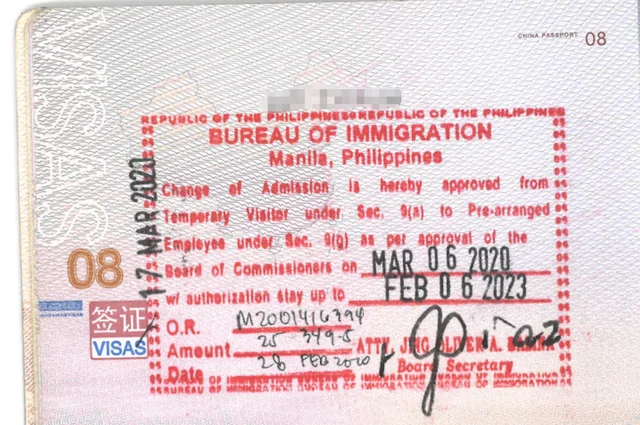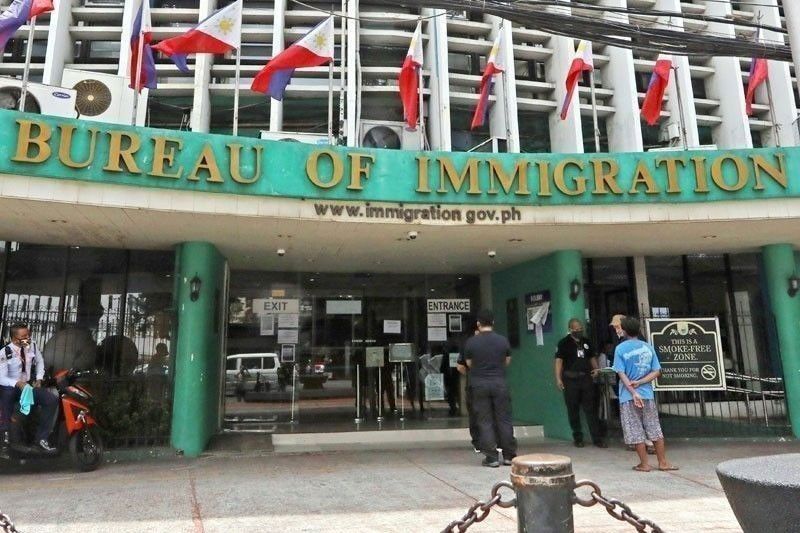
Receiving a Denial Order from the Bureau of Immigration (BI) is a significant setback for any foreign professional, but understanding the specific regulatory gaps that led to the rejection is the first step toward a successful work visa reapplication. In 2026, the Philippine government intensified its scrutiny of 9G visa petitions, focusing heavily on document consistency, labor market necessity, and the legitimacy of the sponsoring employer.
While the suspension of Motions for Reconsideration for many categories means you must often start from scratch, a well-prepared second attempt can overcome previous failures if the root causes are addressed with precision.
Understanding the New Landscape of Visa Denials in 2026
The Philippine immigration landscape has shifted in 2026, moving away from flexible appeals toward a “fix-it-first” reapplication model that demands immediate correction of the original denial’s grounds. Under current Bureau of Immigration policies, most denied non-immigrant visas—including the 9G work visa—no longer allow for a Motion for Reconsideration (MR), forcing applicants to file entirely new petitions.
This change means that a work visa reapplication is not merely a resubmission but a comprehensive legal filing that must resolve every reason noted in the initial Denial Order. Applicants must pay new fees and undergo the standard 2–3 month adjudication period again, making it vital to eliminate errors that could lead to a second, more damaging rejection. For those whose visas expired during the initial processing, the first step in a reapplication strategy often involves “downgrading” to 9(a) status to regularize their stay before refiling.
Reason 1: Missing or Incomplete Documentary Submissions
The most common reason for 9G visa rejection remains the failure to provide the exhaustive list of “substantive and documentary” requirements mandated by the BI and DOLE. Immigration officers have zero tolerance for missing attachments, unsigned forms, or unauthenticated foreign documents, leading to summary denials rather than requests for additional information.
Typical omissions include missing the original Alien Employment Permit (AEP) card, failing to provide a notarized contract of employment, or submitting company documents (like the General Information Sheet or Business Permit) that are not the latest versions. In a work visa reapplication, your primary task is to create a “bulletproof” document kit that leaves no room for administrative doubt. This includes ensuring all foreign-sourced clearances are properly apostilled and that all BI payment receipts from the previous attempt are documented to show a good faith effort.
Reason 2: Inconsistencies Between DOLE and BI Filings
A frequent red flag that triggers rejection is a mismatch between the information provided to the Department of Labor and Employment (DOLE) for the AEP and the data submitted to the BI for the 9G visa. If your job title, salary, or company name differs even slightly between these two applications, the BI may deny the visa on the grounds of misrepresentation.
In 2026, automated data sharing between DOLE and the BI makes it easier for officers to spot these discrepancies instantly. For a successful work visa reapplication, you must cross-reference your AEP approval with your 9G petition to ensure total alignment in job descriptions and compensation structures. If your promotion led to the inconsistency, ensure you cite Board Resolution No. EED-15-01, which provides specific exemptions for promoted foreign nationals, provided they notify the BI correctly.
Reason 3: Failure to Meet the Economic Needs Test (ENT)
With the implementation of stricter labor market protections in 2026, many work visas are rejected because the sponsoring employer failed to prove that no qualified Filipino was available for the role. This “Economic Needs Test” (ENT) is now a central part of the AEP process, and a failure at the DOLE level automatically disqualifies the subsequent 9G visa application.
If your rejection was based on a failed ENT, your work visa reapplication must include more robust evidence of your specialized skills and the “understudy training program” (UTP) your company has in place. You may need to provide proof of the extensive (and unsuccessful) local recruitment efforts undertaken before your hiring. Strengthening this part of the application shows the government that your employment is a necessity for the company’s growth rather than a replacement for local labor.
Reason 4: Non-Compliance with Filing Deadlines and Stay Status
Strict adherence to timelines is a non-negotiable requirement for Philippine work visas, and even a one-day delay in filing can lead to an automatic Denial Order. Many rejections occur because the 9G renewal was filed less than 30 days before the current visa’s expiry or because the applicant failed to regularize their status while waiting for an AEP.
Additionally, failing to complete the mandatory Annual Report (AR) by the March 1 deadline can result in an automated block on any pending visa petitions. In your work visa reapplication, you must demonstrate that you have settled all overstaying fines or AR penalties (PHP 200 per month) before refiling. If you are reapplying after an expired status, you must secure a BI Order to Downgrade (DG) back to 9(a) tourist status first, which “resets” your immigration clock and allows for a clean re-entry into the 9G processing queue.
Reason 5: Employer Ineligibility or Compliance Red Flags
The Bureau of Immigration does not just vet the employee; they also scrutinize the sponsoring company’s registration, tax standing, and ratio of foreign to local workers. Rejections often stem from an employer having an expired business permit, being under investigation by the SEC, or failing to register foreign employees with SSS, PhilHealth, and Pag-IBIG.
If the rejection was due to company-level issues, your work visa reapplication cannot proceed until the employer resolves their standing with the relevant Philippine agencies. This might involve updating the company’s General Information Sheet (GIS) or providing a “Certificate of Good Standing” from the SEC. For startups or new firms, the BI may require additional proof of capitalization and physical office space to ensure the employment offer is legitimate and not a “shell” for illegal stay.
Step-by-Step Roadmap for Work Visa Reapplication
When you receive a Denial Order in 2026, you must act quickly to preserve your right to stay in the country while preparing your second attempt. Following a structured roadmap ensures you don’t repeat the same mistakes.
- Analyze the Denial Order: Identify the specific “reasons for denial” cited by the BI (e.g., documentary deficiency vs. eligibility failure).
- Downgrade if Necessary: If your current visa has already expired, immediately file for visa downgrading to 9(a) to avoid being flagged as an “illegal alien” during the reapplication phase.
- Correct the Deficiencies: Gather the missing documents, apostille new clearances, or have the employer update their corporate registrations as required.
- Settle Penalties: Pay any outstanding overstaying fines or Annual Report late fees; keep the receipts for your new filing.
- Refile the Petition: Submit the new AEP and 9G applications with fresh fees; the BI typically adjudicates these within 2 to 3 months.
Because you are filing a “new” application, you must meet all current 2026 standards, regardless of when you first arrived in the Philippines.
Costs and Fees for Work Visa Reapplication in 2026
Filing a work visa reapplication is financially burdensome because most previously paid government fees are non-refundable and cannot be applied to the new petition. Applicants must budget for a full set of new costs.
- AEP Filing Fee: Approximately PHP 9,000 to PHP 15,000, depending on the duration.
- 9G Visa Application Fee: Standard PHP 8,620 for renewal or conversion.
- ACR I-Card Fee: USD 50 (paid in PHP) plus a PHP 500 express lane fee.
- Downgrading Fees (if applicable): Approximately PHP 1,000 to PHP 3,000, depending on the urgency.
- Overstaying/Late Penalties: PHP 500 per month for overstaying and PHP 200 per month for late Annual Reports.
Using a specialized consultant for your reapplication can save money in the long run by ensuring the 100% accuracy needed to avoid a third round of fees.
Strategic Importance of the Understudy Training Program (UTP)
In a 2026 work visa reapplication, the Understudy Training Program (UTP) is no longer a “check-the-box” requirement but a critical piece of evidence used to justify your stay. If your first visa was rejected, strengthening your UTP documentation can be the deciding factor in your second attempt.
You must provide a detailed training plan that names at least two Filipino understudies and outlines the specific skills—such as cloud architecture, luxury hotel management, or specialized language training—that you will transfer to them. Documenting the progress of this program through quarterly reports to DOLE demonstrates to the BI that your presence is contributing to the long-term development of the Philippine workforce. This proactive approach directly addresses concerns about “replacing” local workers, which is a frequent cause of initial rejections.
Common Pitfalls to Avoid During Reapplication
Rushing into a work visa reapplication without addressing the core issues is the fastest way to a permanent blacklist order. Avoid these common traps that trip up desperate applicants.
- Ignoring the DG Requirement: Attempting to refile for a 9G while having an expired status and no approved downgrading order.
- Resubmitting the Same Data: Filing the same mismatched job titles or salary figures that led to the first rejection.
- DIY Filing for Complex Denials: Trying to handle a “derogatory record” or “national security” denial without accredited legal counsel.
- Missed “Notice to Proceed”: Failing to monitor the BI’s “Notice to Proceed” list in 2026, which can lead to missed biometric appointments and application abandonment.
Precision and patience are your best tools when correcting a previous immigration failure.
Final Thoughts
A work visa rejection in 2026 is no longer a simple matter of filing an appeal, but a complex administrative challenge that requires a complete reapplication for a work visa and the resolution of all grounds cited in the Denial Order—ranging from document inconsistencies and failed Economic Needs Tests (ENT) to employer non-compliance.
With the suspension of Motions for Reconsideration, success depends on a perfectly sequenced strategy: downgrading to 9(a) status to regularize your stay, settling all AR and overstaying fines, and re-filing a “bulletproof” petition that includes a robust Understudy Training Program (UTP) and apostilled clearances. While the cost of a reapplication is high (PHP 15,000-30,000+ in new fees), it is the only viable path to restoring your legal right to work and preventing a permanent blacklist order.
Is Assistance Available?
Yes. Work Visa Philippines turns visa rejections around with expert denial analysis, comprehensive regularization of your stay status, and end-to-end management of your new AEP and 9G filings. We coordinate directly with your employer to fix compliance red flags and ensure your reapplication meets every 2026 BI and DOLE mandate, saving you from a second, costly denial.
Don’t let a rejection end your career in the Philippines; get the expert help you need to reapply successfully. Contact Work Visa Philippines for a priority reapplication assessment:
- Contact Us Here
- Fill Out the Form Below
- Call us at +63 (02) 8540-9623