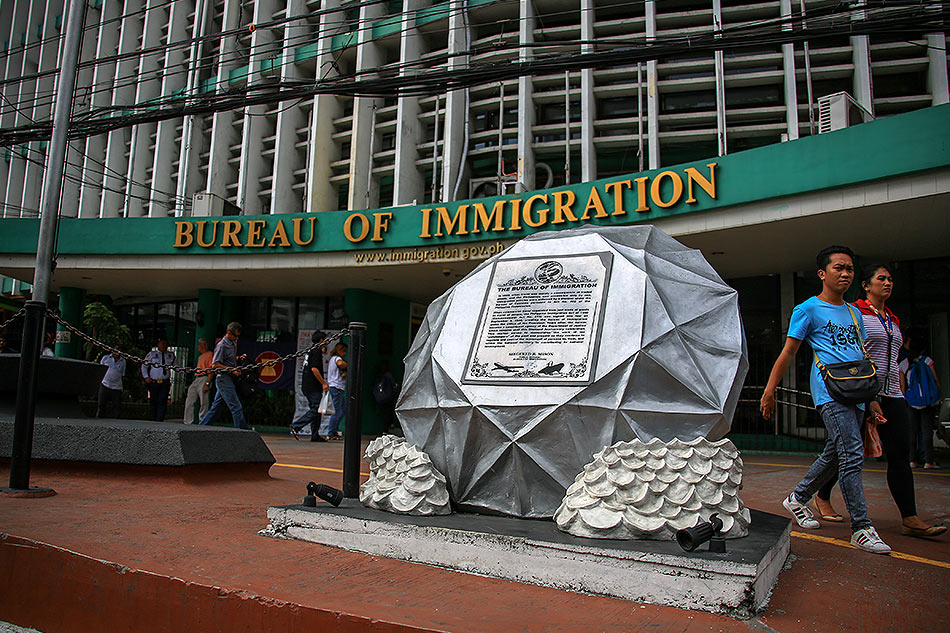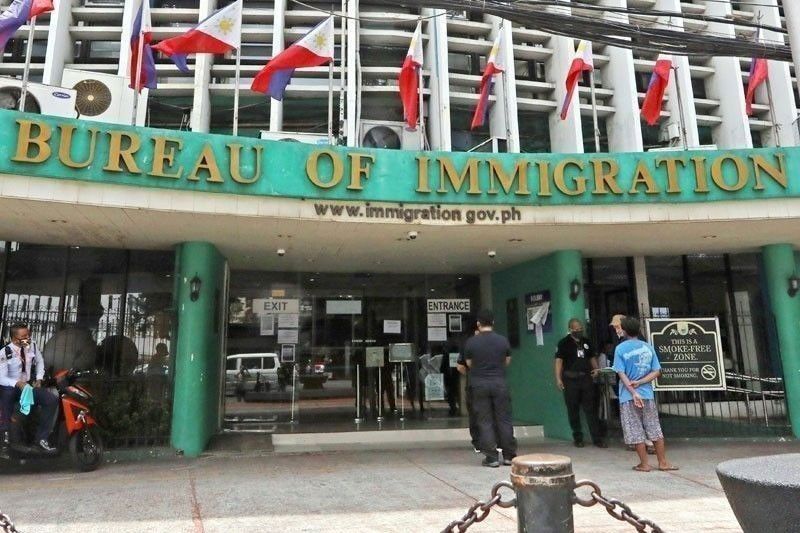
The ACR I-Card application is a mandatory step for almost all foreign nationals who plan to stay in the Philippines for more than 59 days or who hold long-term visas. For Work Visa Philippines, this process is critical because many clients who come to work, invest, study, or retire must secure their Alien Certificate of Registration Identity Card to remain compliant with immigration rules.
The ACR I-Card is not just an ID. It is the official proof that a foreign national is registered with the Bureau of Immigration and is authorized to stay under a specific visa category. Without it, a foreigner may face fines, delays in travel, or problems when dealing with government agencies, banks, and employers.
What The ACR I-Card Is
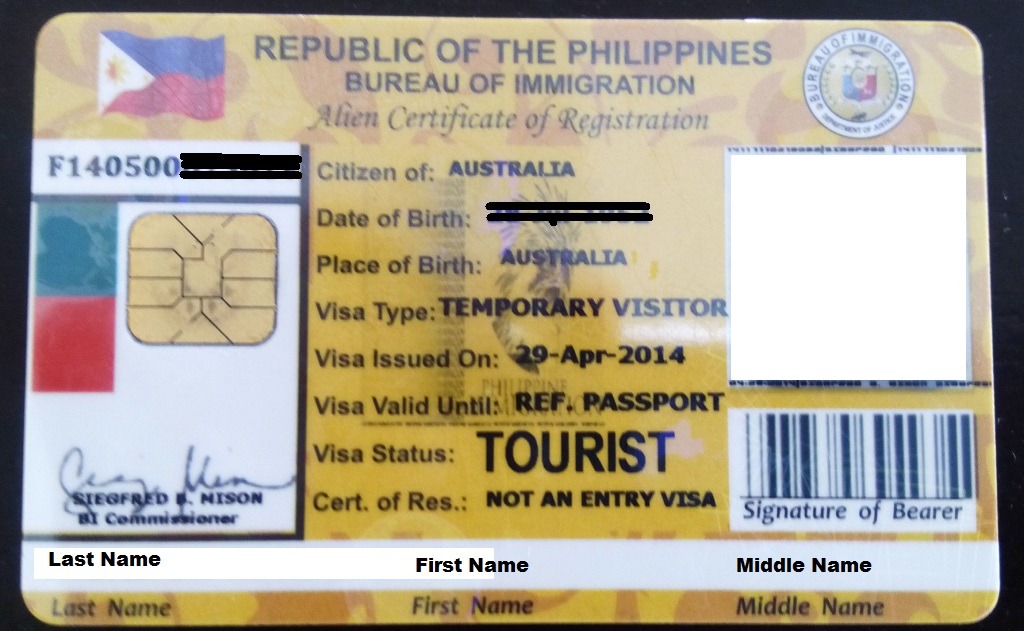
The ACR I-Card is a microchip-based, credit card-sized identification card issued by the Bureau of Immigration to registered aliens whose stay in the Philippines exceeds 59 days or who hold immigrant and certain non-immigrant visas. The card contains biometric data and key information about the holder’s immigration status.
This card is different from a visa. The visa authorizes entry and stay, while the ACR I-Card serves as the foreign national’s official registration and identity document in the Philippines. It is used for immigration transactions, travel clearance checks, and various official purposes.
Who Needs An ACR I-Card
Almost all foreign nationals who stay in the Philippines for more than 59 days need an ACR I-Card. This includes tourists who extend their stay beyond the initial visa-free or temporary visitor period, as well as holders of long-term visas such as work visas, student visas, investor visas, and special resident visas.
The requirement also applies to dependents of visa holders, such as spouses and children, once their authorized stay goes beyond 59 days. Even foreign nationals who initially entered on a short-term basis but later extend or convert to a longer visa category must secure an ACR I-Card as part of the process.
Why The ACR I-Card Matters
The ACR I-Card matters because it is the primary proof of a foreign national’s registration with the Bureau of Immigration. It is often required when processing visa extensions, applying for special permits, opening bank accounts, securing certain licenses, and completing other official transactions.
Without a valid ACR I-Card, a foreigner may be treated as unregistered, which can lead to fines, penalties, or difficulties when leaving or re-entering the country. For work visa holders, the card is also linked to their employment status and may be checked by employers or authorities as part of compliance monitoring.
Legal Basis For The Requirement
The legal basis for the ACR I-Card requirement is found in the Philippine Immigration Act and related Bureau of Immigration regulations. The law requires all aliens staying in the Philippines for more than 59 days to register and be issued an Alien Certificate of Registration.
The I-Card format is the modern, biometric version of this registration. It replaced older paper-based certificates to improve security, reduce fraud, and make it easier to verify a foreign national’s status through an electronic system.
When To Apply For The ACR I-Card
The ACR I-Card should be applied for at the same time as the visa application or extension that will result in a stay of more than 59 days. In many cases, the card is processed together with the initial visa implementation or conversion, so the foreign national receives both the visa and the card around the same time.
For tourists who extend their stay beyond 59 days, the ACR I-Card application is typically required at the point when the extension pushes the total stay over the 59-day threshold. For new long-term visa holders, such as 9(g) work visa grantees, the card is part of the post-approval implementation steps.
Where To File The Application
The ACR I-Card application is filed at the Bureau of Immigration office that has jurisdiction over the applicant’s place of residence or where the visa was processed. This can be the BI Main Office in Intramuros, Manila, or any authorized BI field office across the country.
Some visa categories and special cases may require filing at specific offices, such as the BI Main Office or designated transaction centers. Applicants should confirm with the proper BI office or their immigration representative where exactly the application should be submitted to avoid delays or misrouting.
Documents Required For New Applicants
The document set for a new ACR I-Card application is specific and must be followed carefully. Missing or incorrectly prepared documents can lead to denial or the need to re-file, which adds time and cost.
For new applicants, typical requirements include:
- A fully accomplished ACR I-Card application form in English, with all entries in capital letters.
- A certified true copy of the Board of Commissioners’ or Commissioner’s Order granting the visa, issued by the BI Records Section.
- Photocopies of the passport bio-page and all pages bearing the valid visa implementation and the latest admission stamp.
- Photocopies of official receipts showing payment of the applicable fees.
- Two recent 2×2 photographs with a white background, taken within the last three months.
All foreign documents must be properly authenticated, and all civil registry documents issued in the Philippines must be original and from the National Statistics Office or its successor agency.
Fees And Payment
The ACR I-Card involves government fees that must be paid at the Bureau of Immigration or through authorized payment channels. The exact amount can change, so applicants should verify the current fee schedule at the time of filing.
Typically, the card fee is around 50 US dollars, payable in pesos at the prevailing exchange rate, plus additional local fees. Express processing, if available, may carry an extra charge. Official receipts must be kept safely, as they are part of the documentary requirements and may be needed for future transactions.
Processing Steps And Timeline
The processing of an ACR I-Card follows a standard sequence. First, the applicant submits the completed form and required documents to the receiving counter or Alien Registration Division. The documents are checked for completeness and correctness.
Once accepted, the applicant is given an order of payment, pays the fees, and returns the official receipts to the processing section. The file is then evaluated, and the applicant is scheduled for biometric capture, including photo and fingerprints. After evaluation and encoding, the card is produced and released on the appointed date.
The entire process can take several weeks, depending on the office workload and the visa category. Applicants should plan their travel and other commitments with this timeline in mind.
Card Validity And Renewal
The ACR I-Card is generally valid for one year and must be renewed annually or whenever there is a significant change in visa status. Renewal is tied to the underlying visa, so if the visa is extended or converted, the card must be updated accordingly.
Renewal involves submitting a renewal application, updated documents, proof of visa extension, and payment of the renewal fee. Failure to renew the card on time can result in penalties and may complicate future immigration transactions.
Replacement For Lost Or Damaged Cards
If the ACR I-Card is lost, stolen, or damaged, the holder must apply for a replacement card as soon as possible. This is important because the card is the primary proof of registration and may be needed for travel, employment, and other official purposes.
The replacement process requires a new application form, an affidavit or explanation of the loss or damage, a police report if applicable, updated visa documents, and payment of the replacement fee. The holder should also update any changes in address or civil status at the same time.
Annual Reporting Obligation
In addition to the ACR I-Card itself, foreign nationals are required to complete an annual report with the Bureau of Immigration. This is usually done within the first two months of each calendar year and involves updating the BI on the foreigner’s continued stay and current address.
The annual report has its own fee and must be completed even if the visa and ACR I-Card are still valid. Missing the annual report deadline can lead to additional fines and may flag the foreign national’s record in the immigration system.
Common Mistakes In The Application Process
A common mistake in the ACR I-Card application process is submitting incomplete or incorrectly filled-out forms. The Bureau of Immigration is strict about the application form being fully completed in English and in capital letters, with no blank fields.
Other frequent mistakes include:
- Failing to secure the certified true copy of the visa approval order from the BI Records Section.
- Submitting photos that do not meet the size, background, or recency requirements.
- Losing or misplacing the official receipts needed for filing and future transactions.
- Forgetting to renew the card or complete the annual report on time.
- Not updating the card after a change in visa status, address, or civil status.
Avoiding these mistakes requires careful attention to the checklist and timely follow-up on all deadlines.
Final Thoughts
The ACR I-Card application in the Philippines is a mandatory process for foreign nationals who stay beyond 59 days or hold long-term visas. It serves as the official proof of registration with the Bureau of Immigration and is required for many official transactions.
Work Visa Philippines helps foreign nationals and employers manage the ACR I-Card process correctly, from document preparation to filing and renewal. If you are planning to live, work, or invest in the Philippines, securing and maintaining a valid ACR I-Card should be part of your immigration plan from the start.
Get Help from Experts
For Work Visa Philippines, the ACR I-Card application is a standard part of almost every long-term immigration case. Clients on work visas, investor visas, student visas, and special resident visas all need the card as part of their compliance package.
This makes the ACR I-Card an essential element of the firm’s service. Proper handling ensures that foreign nationals can work, study, or reside in the Philippines without unnecessary immigration barriers or penalties.
Contact us today for an initial consultation:
- Contact Us Here
- Fill Out the Form Below
- Call us at +63 (02) 8540-9623