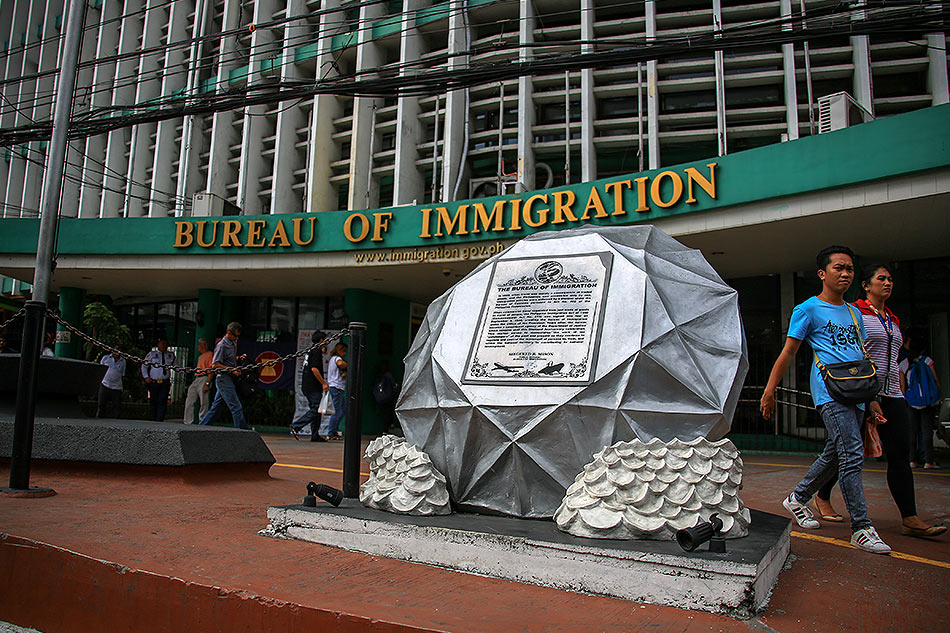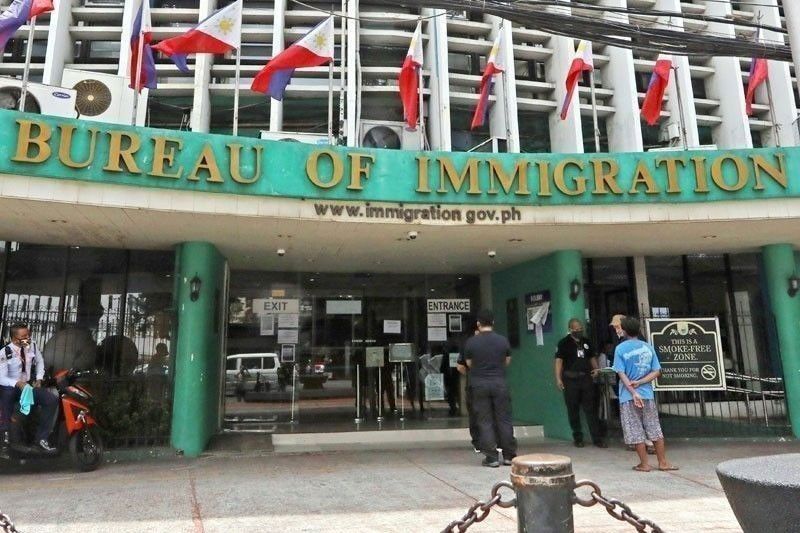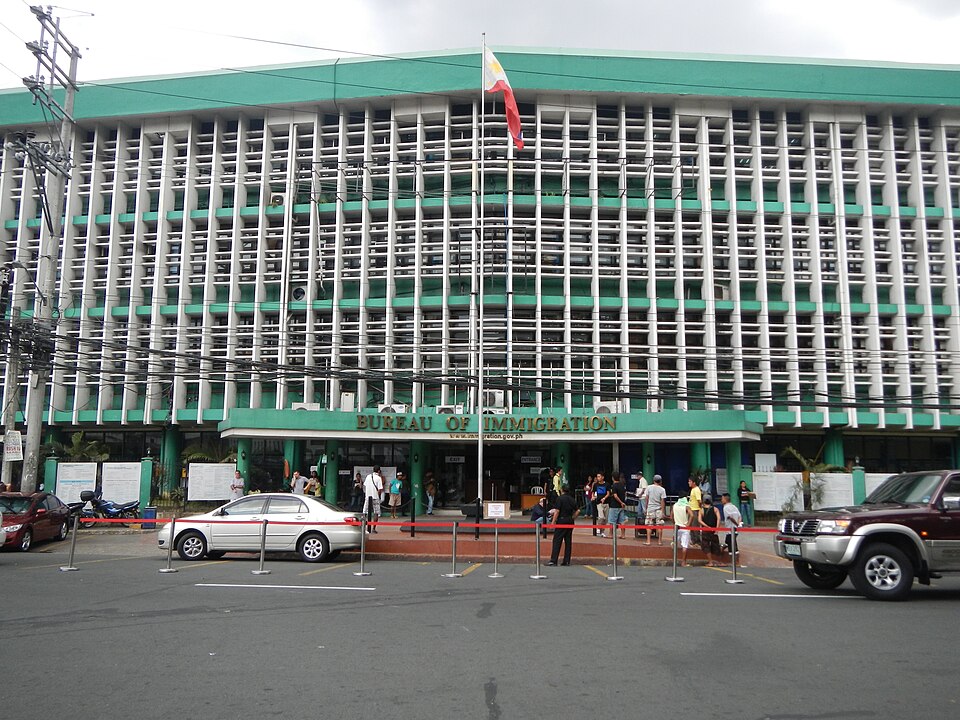
9G visa processing in the Philippines refers to the end-to-end procedure for obtaining a 9(g) Pre-Arranged Employment Visa, which allows foreign nationals to work legally for a Philippine employer. The process involves two main government agencies: the Department of Labor and Employment, or DOLE, which issues the Alien Employment Permit, and the Bureau of Immigration, or BI, which grants the 9(g) visa and Alien Certificate of Registration I-Card.
For Work Visa Philippines, understanding realistic timelines is essential. Employers and foreign employees often underestimate how long the sequence takes, especially when documents are incomplete, the company is new, or the foreign national has a complex immigration history. A well-prepared application can move through the system more smoothly, but planning should always allow for several weeks to a few months from start to finish.
What The 9G Visa Is
The 9(g) Pre-Arranged Employment Visa is the standard work visa for foreign nationals employed by Philippine companies. It is employer-specific and tied to a particular position and contract.
The visa requires a prior Alien Employment Permit from DOLE. The BI will not approve a 9(g) petition without an approved AEP for the same position and employer.
The 9(g) visa allows the foreign employee to work and reside in the Philippines for the duration authorized, which is usually aligned with the employment contract and the AEP validity.
Why 9G Visa Processing Takes Time
9G visa processing is not a single-step application. It is a sequence of labor and immigration procedures that must be completed in order.
The employer must first secure the AEP, which involves labor-market testing, posting requirements, and DOLE evaluation. Only after the AEP is issued can the employer file the 9(g) petition with BI, which then conducts its own review, hearings, and approval process before implementing the visa and issuing the ACR I-Card.
Each stage has its own documentary requirements, verification steps, and processing queues, which together determine the overall timeline.
Overall Timeline For 9G Visa Processing
Most official and industry sources estimate that 9G visa processing, including the AEP, takes about two to three months under normal conditions. Some estimates range from six to ten weeks when documents are complete, and agencies are operating within standard timeframes.
A conservative planning assumption is two to three months from document collection to visa approval and ACR I-Card issuance. Complex cases, incomplete files, or agency backlogs can extend the process to four to six months or longer.
Employers should factor this timeline into hiring plans, relocation schedules, and start-date commitments.
Stage 1: Document Collection And Preparation
The first stage of 9G work visa processing is gathering and preparing all required documents for both DOLE and BI. This includes corporate records, employment contracts, foreign employee credentials, and immigration documents.
Typical documents include the employer’s SEC registration, articles of incorporation, by-laws, latest general information sheet, tax registration, lease or proof of business address, and financial statements. For the employee, documents may include passport copies, visa pages, entry stamps, résumés, diplomas, professional licenses, and previous work permits or ACR I-Cards if applicable.
This stage can take one to two weeks, depending on how quickly the company can assemble complete and consistent records.
Stage 2: DOLE Alien Employment Permit
The second stage is obtaining the Alien Employment Permit from DOLE. The AEP is a labor authorization that confirms the position may be filled by a foreign national after compliance with labor-market testing and other requirements.
DOLE processing for the AEP typically takes two to three weeks from complete submission, including the mandatory posting period. Some sources cite two to five weeks, depending on the regional office, completeness of the file, and whether additional evaluation is required.
Under current DOLE rules, the AEP application must be filed within 15 calendar days of signing the employment contract. Missing this deadline can create compliance issues and delay the overall 9G visa processing.
Stage 3: Filing The 9G Petition With BI
Once the AEP is approved, the employer files the 9(g) petition with the Bureau of Immigration. The application must be lodged within 15 days of AEP issuance according to standard immigration guidance.
The BI requires a complete set of documents, including the approved AEP, employment contract, corporate papers, foreign employee passport and visa records, and various immigration forms. The employer must also pay the required filing and processing fees.
Incomplete or inconsistent submissions can lead to deficiency notices, which pause the timeline until corrections are made.
Stage 4: BI Review And Hearings
After the 9(g) petition is accepted, the Bureau of Immigration conducts its review. This may include verification of the employer’s legal existence, the foreign employee’s immigration record, and the consistency of the employment details with the AEP.
BI processing for the 9(g) visa typically takes three to five weeks after the AEP is received and the application is filed. Some official references cite around 40 working days for a 9(g) commercial visa processing from the submission of complete documents.
During this period, the applicant may be required to attend hearings or provide additional clarification.
Stage 5: Approval, Visa Implementation, And ACR I-Card
When the 9(g) petition is approved, the BI issues an order granting the application. The foreign employee’s passport must then be submitted for visa endorsement and stamping.
The passport with the 9(g) visa stamp and the BI approval order are usually released within two to three working days after passport submission for implementation. At the same time or shortly thereafter, the Alien Certificate of Registration I-Card is processed and issued as proof of the foreign national’s immigration status.
The total duration from document collection to this final stage commonly falls within the six- to ten-week range for straightforward cases.
Factors That Affect 9G Visa Processing Time
Several factors can speed up or slow down 9G visa processing. The most important thing is document completeness and consistency. Errors in names, dates, passport numbers, or corporate details often trigger deficiency notices that add weeks to the timeline.
Agency workload, holidays, and staffing levels also affect processing speed. Applications filed during peak periods or just before long holidays may take longer. The foreign employee’s immigration history, including prior overstays, previous visas, or prior BI actions, can also require additional review.
Employers who prepare early, use checklists, and maintain clear communication with their immigration counsel or service provider can reduce avoidable delays.
Provisional Work Permit Option
Because 9G visa processing can take several weeks, the Bureau of Immigration offers a Provisional Work Permit for eligible foreign employees. The PWP allows the foreign national to begin working while the 9(g) petition is pending, subject to conditions and validity limits.
The PWP is applied for after the AEP is secured and the 9(g) petition is filed. It is not a substitute for the 9(g) visa but a bridge that allows earlier deployment where operationally necessary.
Employers should confirm PWP eligibility and requirements before relying on this option.
Common Mistakes in 9G Visa Processing
Employers and foreign employees often encounter delays because they:
- Begin work before securing the AEP or filing the 9(g) petition.
- File the AEP application later than the 15-day deadline after contract signing.
- Submit incomplete or inconsistent corporate or personal documents.
- Use outdated BI or DOLE forms.
- Fail to disclose prior immigration violations or previous Philippine visas accurately.
- Assume the 9(g) visa is transferable between employers without a new process.
- Overlook the need to align visa validity with AEP and contract duration.
- Ignore local business permits and tax registrations that support the employer’s file.
- Plan start dates as if approval is immediate.
- Treat the PWP as a long-term solution instead of a temporary measure.
These errors can lead to rejected applications, penalties, or gaps in work authorization.
How Employers Should Plan
Employers should treat 9G visa processing as a multi-stage project rather than a single form. The hiring timeline should include time for document preparation, DOLE AEP processing, BI petition review, and visa implementation.
A realistic internal timeline is two to three months for standard cases, with a buffer for possible delays. For critical roles, employers can explore PWP options once the AEP and 9(g) filing are underway.
Early coordination between HR, legal, or immigration counsel, and the foreign employee helps prevent last-minute problems.
Final Perspective
9G visa processing in the Philippines typically spans six to ten weeks from document preparation to visa approval and ACR I-Card issuance, with a conservative planning estimate of two to three months. The process includes DOLE AEP processing, BI 9(g) petition review, hearings, approval, visa implementation, and I-Card issuance.
Employers should prepare complete documents, respect filing deadlines, and allow for agency processing times when setting start dates. Where needed, a Provisional Work Permit can bridge the waiting period while the 9(g) application is pending.
Work Visa Philippines helps employers and foreign employees plan and execute the 9G visa process correctly, aligning labor authorization, immigration status, and operational needs for compliant and efficient deployment.
Get in Touch with Visa Experts
For Work Visa Philippines, 9G visa processing is central to the lawful employment of foreign nationals. Companies that understand the sequence, timelines, and documentation requirements can avoid costly mistakes and ensure that foreign employees start work with proper authorization.
The process also affects relocation planning, compensation structuring, and compliance risk management. A well-managed 9(g) application protects both the employer and the foreign employee from immigration and labor issues. Contact us today for an initial consultation:
- Contact Us Here
- Fill Out the Form Below
- Call us at +63 (02) 8540-9623