The Philippines has rapidly evolved into a global hub for business process outsourcing (BPO), technology, and multinational shared services, making it an attractive destination for expatriate professionals. For foreign nationals looking to build a career in Southeast Asia, learning how to correctly find jobs in the Philippines is the first step toward establishing a compliant and successful residency.
While the local labor market is highly skilled, companies constantly seek foreign talent to fill strategic gaps in language, advanced technology, and executive leadership.
Top Industries Hiring Foreign Professionals in 2026
Foreign nationals seeking to find jobs in the Philippines will discover that certain sectors are significantly more open to international hires due to specialized skill shortages. The country’s economic focus heavily dictates where expat opportunities are concentrated.
- BPO and Shared Services: The largest employer of expats, particularly those who speak languages like Mandarin, Japanese, Korean, Spanish, or German, offering high “language premiums” for customer support and management roles.
- Information Technology (IT): High demand for advanced software engineers, cloud architects, and cybersecurity specialists to lead digital transformation projects for local and international clients.
- Manufacturing and Infrastructure: Multinational corporations in economic zones and large-scale infrastructure projects frequently recruit foreign engineers and supply chain experts.
- Education and Hospitality: International schools seek native English speakers and subject matter experts, while luxury resorts recruit foreign executive chefs and general managers.
Targeting these specific sectors drastically improves a foreign applicant’s chances of securing an employer willing to sponsor a work visa.
Understanding the Alien Employment Permit (AEP) Requirements
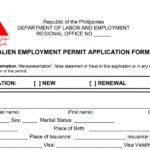
Before a foreign national can legally begin working, the hiring company must secure an Alien Employment Permit (AEP) from the Department of Labor and Employment (DOLE). This permit is the foundational document that proves your employment does not unlawfully replace a local worker.
- Labor Market Test: DOLE requires employers to publish job postings locally to demonstrate efforts to recruit a qualified Filipino candidate before proceeding with a foreign hire.
- Economic Needs Test (ENT): Under updated guidelines, DOLE Regional Offices evaluate whether hiring a foreign national genuinely fills a gap or shortage in the Philippine labor market.
- Understudy Training Program (UTP): Employers in specific industries must implement a skills development program where the foreign national trains at least two Filipino understudies to eventually assume the role.
- Mandatory Compliance: The AEP is required for any work lasting more than six months; working without it triggers severe penalties and potential deportation.
Navigating these rules means that to find jobs in the Philippines, you must offer unique skills or executive experience that a company can legally justify to DOLE.
The Best Job Boards to Find Jobs in the Philippines
The digital recruitment landscape in the Philippines is highly active, with several platforms standing out as the most reliable avenues for foreign job seekers. Leveraging the right job boards is critical for filtering out roles that offer visa sponsorship.
- JobStreet PH and Indeed: These remain the default, high-volume platforms covering almost every major hiring category, where applicants can find postings specifically tagged for expats or bilinguals.
- LinkedIn: The premier platform for professional, specialist, and mid-to-senior executive roles, allowing foreigners to directly connect with corporate recruiters and multinational HR teams.
- Kalibrr: Highly recommended for tech, digital, and startup jobs, frequently used by modern companies open to sponsoring foreign technical talent.
- Glassdoor: Useful not only for finding job postings but for checking company reviews to ensure the employer has a good track record of handling expat work visas and fair compensation.
When using these platforms to find jobs in the Philippines, always search for keywords like “visa sponsorship provided” or “open to foreigners” to narrow down viable opportunities.
Leveraging Executive Search Firms and Recruitment Agencies
For mid-to-senior level professionals, applying directly through job boards can sometimes be less effective than partnering with specialized recruitment agencies. These headhunters have direct lines to companies actively looking to invest in foreign talent.
- Targeted Placements: Executive search firms specialize in placing expatriates in high-level roles that are rarely advertised on public job boards.
- Visa Sponsorship Pre-Screening: Reputable agencies only match you with employers who have the legal and financial capacity to process your AEP and 9G work visa.
- Salary Negotiation: Recruiters understand the local market rates for expats, ensuring you receive competitive compensation that accounts for the higher cost of living in prime business districts like BGC or Makati.
- BPO Multilingual Recruiters: Specialized agencies constantly hunt for native speakers of Asian and European languages, streamlining the hiring process for bilingual professionals.
Engaging with search firms provides a strategic advantage, saving time and avoiding companies that are unfamiliar with Philippine immigration laws.
Networking Strategies for Expat Job Seekers
While online job boards are essential, traditional networking remains one of the most powerful tools to find jobs in the Philippines. The expat corporate community in Metro Manila is tight-knit, and personal referrals carry significant weight.
- Chambers of Commerce: Joining events hosted by the American (AmCham), European (EuroCham), or other international chambers connects you directly with multinational business leaders.
- Industry Conferences: Attending tech summits, BPO conventions, and trade expos allows for face-to-face networking with hiring managers and corporate decision-makers.
- Expat Social Groups: Engaging with professional expat communities on platforms like Facebook or LinkedIn can uncover unadvertised roles and provide insights into which companies are currently hiring foreigners.
- Alumni Networks: Leveraging university alumni groups that have chapters in the Philippines can open doors to corporate opportunities and direct introductions.
Building a strong local network demonstrates your commitment to the region and often accelerates the interview process.
Navigating the 9G Work Visa Process with Your Employer
Finding a job is only half the battle; successfully obtaining the 9G Pre-Arranged Employment Visa is what legally allows you to stay. This employer-sponsored visa is strictly tied to your specific job and company.
- Employer Sponsorship: The company must act as your petitioner, submitting corporate documents (like their SEC registration and latest General Information Sheet) alongside your AEP to the Bureau of Immigration (BI).
- Processing Timelines: The transition from a tourist visa to an AEP and finally to a 9G visa can take two to three months, during which your tourist status must be kept valid through regular extensions.
- The ACR I-Card: Upon approval of the 9G, you will be issued an Alien Certificate of Registration Identity Card (ACR I-Card), which is required for opening bank accounts and legal residency.
- Visa Downgrading: If you later find a new job, your current 9G visa must be “downgraded” to a tourist status before the new employer can apply for a fresh work visa.
Understanding this process helps you manage expectations during the hiring phase and ensures your prospective employer is prepared for the administrative requirements.
Remote Work and the Digital Nomad Alternative
If you struggle to find jobs in the Philippines that offer local visa sponsorship, or if you prefer to retain your international clients, the country’s new visa options for remote workers provide a highly attractive alternative.
- Digital Nomad Visa (DNV): Rolled out to attract global talent, this visa allows foreign remote workers earning a qualifying monthly income from foreign sources to live legally in the Philippines.
- No AEP Required: Because your income is sourced abroad and you are not competing in the local labor market, DNV holders are completely exempt from the DOLE AEP requirement.
- Renewable Stay: This status provides a stable residency without the need to constantly extend a tourist visa or seek local corporate sponsorship.
- Tax Benefits: Remote workers on the DNV are generally not taxed on their foreign-sourced income, making it a lucrative setup for independent freelancers.
The DNV bridges the gap for highly skilled professionals who want to experience Philippine life without being tied to a local employer.
Common Challenges When Searching for Work as a Foreigner
Navigating the Philippine job market presents unique hurdles that foreign applicants must anticipate. Being prepared for these administrative and cultural challenges is important to a successful job hunt.
- Local Hiring Preference: Government regulations inherently favor local candidates, meaning you must clearly articulate how your skills are unavailable in the domestic market to pass the Economic Needs Test.
- Lengthy Onboarding: The bureaucratic requirements of the AEP and 9G visa mean that your actual start date could be delayed by several months after signing the contract.
- Salary Disparities: While specialized expats command premium pay, standard roles may offer salaries calibrated to local living costs, which might be lower than what you expect in your home country.
- Document Authentication: All foreign degrees, police clearances, and marriage certificates must be apostilled in your home country before the Bureau of Immigration will accept them for your visa application.
Overcoming these obstacles requires patience, meticulous document preparation, and a deep understanding of local business etiquette.
Preparing a Locally Optimized Resume and Interview Strategy
To successfully find jobs in the Philippines, your application materials must resonate with local HR professionals while clearly highlighting your international expertise. Adapting your approach makes a significant difference in callback rates.
- Clear Visa Status: Explicitly state your current visa status (e.g., 9A Tourist Visa) and your need for 9G sponsorship at the top of your resume so recruiters understand your situation immediately.
- Highlight Niche Skills: Emphasize specialized technical skills, foreign language fluency, or executive experience that directly satisfies DOLE’s Economic Needs Test criteria.
- Professional Photo: Unlike in some Western countries, it is customary and often expected to include a professional, conservative headshot on a Philippine resume.
- Interview Etiquette: During interviews, demonstrate respect for local business culture (“Pakikisama”) and express a genuine long-term commitment to living and contributing to the Philippines.
A well-tailored resume minimizes employer hesitation regarding the complex logistics of hiring a foreign national.
Key Takeaways
To successfully find jobs in the Philippines, foreign professionals must target high-demand sectors like BPO, IT, and specialized executive management, where multinational companies are actively willing to sponsor visas. Navigating this landscape requires utilizing premium job boards like LinkedIn and Kalibrr, partnering with executive search firms, and, most importantly, understanding the strict DOLE requirements—such as the Alien Employment Permit (AEP) and the Economic Needs Test (ENT)—that validate your unique expertise over local candidates. Whether you secure a 9G work visa through a local employer or opt for the new Digital Nomad Visa as a remote worker, maintaining compliance with the Bureau of Immigration throughout your job hunt is non-negotiable to prevent costly delays or blacklisting.
Is Assistance Available?
Work Visa Philippines bridges the gap between your job offer and your legal residency, providing seamless, end-to-end processing for your AEP, 9G Visa, and ACR I-Card. We liaise directly with your new employer’s HR team to satisfy all DOLE Understudy Training Program mandates and manage your tourist visa extensions while your paperwork is processed.
Ready to turn your job offer into a legal reality? Contact Work Visa Philippines today to streamline your employment transition:
- Contact Us Here
- Fill Out the Form Below
- Call us at +63 (02) 8540-9623