Philippine immigration law is built on a network of statutes and regulations that control how foreign nationals enter, stay, work, and eventually leave the country. At the center is the Philippine Immigration Act (Commonwealth Act No. 613), supported by the Alien Registration Act of 1950 and later laws on citizenship, migrant workers, and anti‑trafficking.
For Work Visa Philippines, this framework matters because every work visa, ACR I‑Card, extension, or change of status must align with these laws. Understanding the basics helps foreign professionals and employers plan compliant long‑term stays rather than treating immigration as a last‑minute formality.
Core Foundations Of Philippine Immigration Law
Philippine immigration law is primarily governed by the Philippine Immigration Act of 1940, officially Commonwealth Act No. 613. This statute created the Bureau of Immigration and set the rules for admission, exclusion, and deportation of foreign nationals (“aliens”). It defines key concepts such as immigrant and non‑immigrant status, grounds for exclusion, and the powers of immigration officers.
Later laws—like the Alien Registration Act of 1950 (RA 562), the Citizenship Retention and Reacquisition Act of 2003 (RA 9225), and the Administrative Naturalization Law of 2000 (RA 9139)—complement this framework by addressing registration, dual citizenship, and paths to Philippine citizenship.
Immigration Authorities And Their Powers
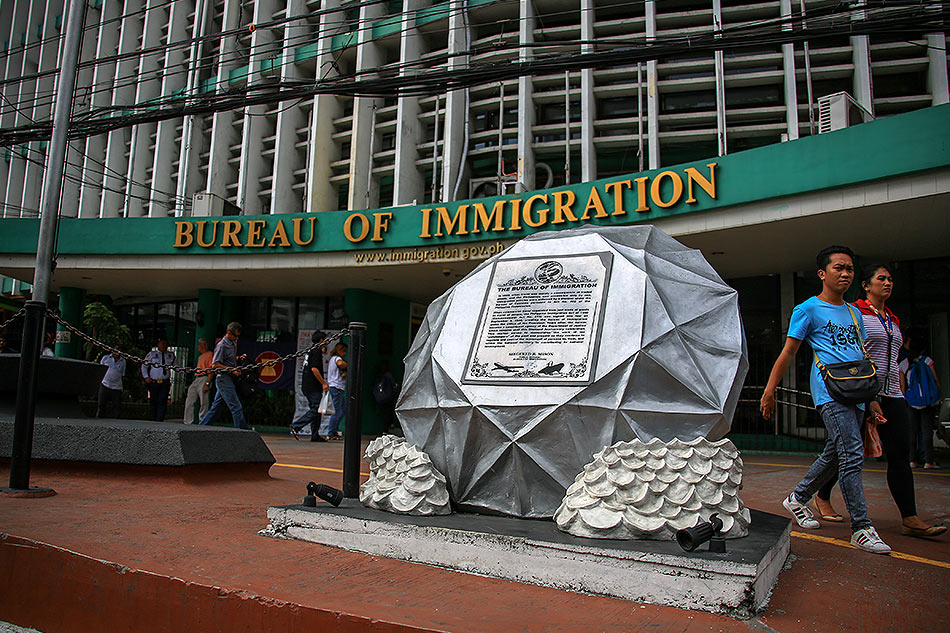
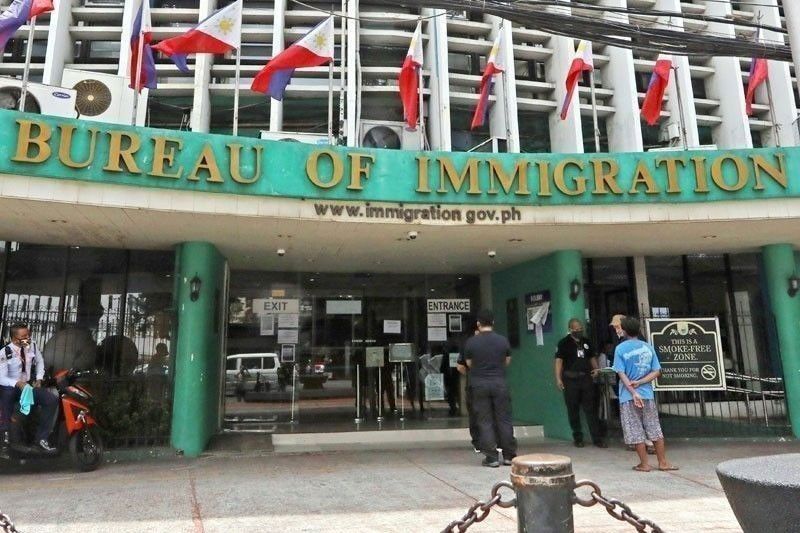
The Bureau of Immigration (BI) is the primary agency responsible for enforcing immigration laws and policies in the Philippines. Under the Immigration Act, the BI examines arriving passengers, decides on admission, issues and extends visas, supervises alien registration, and implements exclusion and deportation orders.
Immigration officers and Boards of Special Inquiry have authority to inspect documents, conduct hearings when an alien’s admissibility is in question, and recommend or decide on exclusion or deportation based on statutory grounds, such as improper documentation, criminal history, or public charge concerns.
Key Laws Foreigners Should Know
Foreign nationals in the Philippines are affected by several core statutes:
- Commonwealth Act No. 613 (Philippine Immigration Act of 1940) – governs entry, stay, exclusion, and deportation; establishes BI.
- Republic Act No. 562 (Alien Registration Act of 1950) – requires all aliens to register and to make an annual report within the first 60 days of each calendar year.
- Republic Act No. 9225 (Citizenship Retention and Reacquisition Act of 2003) – allows natural‑born Filipinos who lost citizenship by foreign naturalization to regain it.
- Republic Act No. 9139 (Administrative Naturalization Law of 2000) – provides a process for certain foreign nationals born and residing in the Philippines to acquire citizenship administratively.
- Republic Act No. 8042 and RA 10022 (Migrant Workers and Overseas Filipinos Act and amendments) – mainly govern the overseas deployment and protection of Filipino workers, but form part of the broader migration framework.
Together, these laws regulate who may enter the Philippines, how long they may stay, how they must register, and under what conditions they may obtain or regain Philippine citizenship.
Immigrant And Non-Immigrant Status
Under the Immigration Act, foreign nationals fall into two broad categories: immigrants and non‑immigrants.
- Immigrants are those admitted for permanent residence, such as quota immigrants or certain family‑based categories.
- Non-immigrants are admitted temporarily for defined purposes, including visitors, students, treaty traders, investors, and foreign workers under pre‑arranged employment.
For most work‑related cases handled by Work Visa Philippines—such as 9(g) pre‑arranged employment visas, 9(a) business visitors, and 9(d) treaty trader/investor visas—the foreigner is classified as a non‑immigrant whose stay is limited by the visa’s conditions.
Basic Visa Types Relevant To Work
Foreign professionals and employers encounter three main non‑immigrant categories in work situations:
- 9(a) Temporary Visitor Visa – covers short‑term business or tourism. Many nationals can enter visa‑free for limited periods, but extensions or conversions are required for longer or work‑related stays.
- 9(g) Pre‑Arranged Employment Visa – the standard long‑term work visa, based on a job offer from a Philippine employer and usually supported by an Alien Employment Permit from DOLE.
- 9(d) Treaty Trader / Investor Visa – for nationals of countries with qualifying treaties who will engage in substantial trade or investment in the Philippines.
Immigration law requires each visa holder to use the correct category for their actual activities. Working while on a visitor visa without proper work authorization violates both immigration and labor rules.
Registration And The ACR I-Card
Under the Alien Registration Act, foreign nationals who will stay in the Philippines beyond a short period must register with the Bureau of Immigration and obtain an Alien Certificate of Registration (ACR), which is now issued in microchip card form called the ACR I‑Card.
Registered aliens must also file an annual report in person within the first 60 days of each calendar year, as reiterated in BI’s annual advisories. Failure to register or to make the annual report can result in fines, penalties, and complications when renewing visas or exiting the country.
Annual Reporting Obligation
The annual report requirement is a recurring obligation for all registered aliens. Each year, between January 1 and March 1, foreign nationals with valid registration must:
- Appear personally at BI or an authorized field office.
- Present their ACR I‑Card and other required documents.
- Pay the prescribed annual report fee and any applicable penalties.
This obligation flows from RA 562 and its implementing rules, and it is enforced alongside visa validity and extension requirements.
Grounds For Exclusion And Deportation
Immigration law lists multiple classes of foreign nationals who may be refused entry or later deported. Common grounds include:
- Being likely to become a public charge or lacking means of support.
- Having a loathsome or dangerous contagious disease.
- Conviction for crimes involving moral turpitude.
- Being a prostitute, a human trafficker, or being involved in certain immoral activities.
- Lacking proper documentation or traveling under a false identity.
- Violating the conditions of admission, including unauthorized work.
Deportation requires due process through BI, including a charge, notice, and a hearing, but once ordered, it can lead to removal and, in many cases, difficulty re‑entering the Philippines in the future.
Penalties For Immigration Violations
Immigration law treats serious violations as criminal offenses, not merely administrative lapses. Offenses include unlawful entry, using falsified or fraudulent visas or stamps, making false sworn statements in immigration dealings, and harboring or transporting aliens who are not lawfully admitted.
Penalties can include fines, imprisonment, deportation, or a combination of these, depending on the offense and the applicable statutory provisions. For employers and sponsors, facilitating unauthorized work, misrepresenting employment conditions, or deliberately assisting an alien to evade immigration control can carry legal consequences as well.
Immigration Law And Work Visas
For foreign workers, immigration law intersects directly with employment and labor regulation. A foreigner who “comes to the Philippines to work” must:
- Obtain a work visa from the Bureau of Immigration (commonly a 9(g) pre‑arranged employment visa for long‑term employment).
- Secure an Alien Employment Permit (AEP) from the Department of Labor and Employment, confirming that no qualified local worker is being displaced.
These processes are sequential and interdependent. Immigration law provides the non‑immigrant framework under which these work visas are issued, while labor rules govern when a foreign national can occupy a given position.
Compliance For Employers Hiring Foreigners
Philippine immigration law also shapes what employers must do when hiring foreign nationals. A compliant employer must:
- Use the correct visa category (e.g., 9(g) for long‑term employment rather than 9(a) visitor status).
- Ensure that the foreign hire’s AEP and work visa are approved before or in parallel with starting regular employment.
- Keep corporate records and tax filings consistent with information submitted to BI.
- Notify BI and other agencies when a foreign employee’s contract ends, role changes, or when sponsorship should be withdrawn.
These duties sit alongside obligations for payroll tax, SSS, PhilHealth, and Pag‑IBIG contributions under Philippine labor and social legislation.
Pathways To Philippine Citizenship
For a smaller group of long‑term residents, immigration law interlocks with citizenship statutes. Two key laws are:
- RA 9225 – allows natural‑born Filipinos who lost citizenship through foreign naturalization to retain or reacquire Philippine citizenship, often while keeping foreign citizenship (dual citizenship).
- RA 9139 – provides an administrative naturalization process for certain foreign nationals born and long‑time residents in the Philippines, subject to qualifications and disqualifications specified in the law.
These laws allow some foreign nationals (or former Filipinos) to move from alien status, regulated by the Immigration Act, into citizenship status covered by constitutional and citizenship rules.
How Immigration Law Affects Long-Term Planning
For foreign professionals and businesses, Philippine immigration law is not just a set of entry rules; it shapes long‑term planning:
- Assignment length – determines whether short‑term permits or long‑term work visas are appropriate.
- Corporate structure – affects whether visas are sponsored through a local corporation, branch, or regional headquarters.
- Family considerations – influence decisions about dependent visas, schooling, and eventual residency or citizenship strategies.
- Compliance culture – affects reputational and operational risk, especially for companies relying heavily on expatriate staff.
Planning visas, ACR I‑Cards, annual reporting, and renewals together avoids gaps in status and sudden work disruptions.
Key Takeaways
The Philippine immigration law framework is more than a set of entry rules; it is the system that determines whether a foreign national can live, work, invest, or eventually settle in the country with legal certainty. By defining visa categories, registration duties, annual reporting, and grounds for exclusion or deportation, it sets the boundaries within which all foreign activities must take place.
For employers and foreign professionals, this means every work assignment, business expansion, or long‑term residency plan must be built on the correct visa, proper registration (including the ACR I‑Card and annual report), and strict adherence to the conditions of stay. Aligning immigration, labor, and tax compliance from the start prevents gaps in status, protects both the individual and the company, and makes long‑term planning possible.
Work Visa Philippines operates within this legal architecture to turn complex rules into practical pathways—helping foreign nationals and their sponsors choose the right visa, maintain good standing with authorities, and adapt their status as careers and business needs evolve under Philippine immigration law.
Why Immigration Law Matters
For Work Visa Philippines, immigration law is the foundation beneath every client engagement. Whether a foreign professional is applying for a 9(g) work visa, extending stay, registering for an ACR I‑Card, or exploring long‑term options, the firm must navigate the interplay of the Immigration Act, registration rules, and work‑visa regulations.
Handled correctly, the Philippine immigration law offers predictable pathways for lawful entry, work, and residence. Handled poorly, it can lead to fines, deportation, or bans that disrupt careers and business operations. Contact us today for an initial consultation:
- Contact Us Here
- Fill Out the Form Below
- Call us at +63 (02) 8540-9623