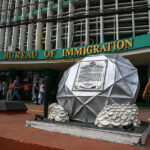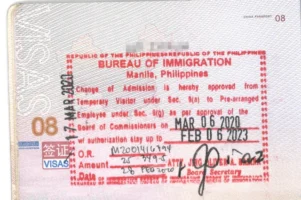
The Philippines’ work visa processing centers on the 9(g) Pre-Arranged Employment Visa, managed by the Bureau of Immigration after securing an Alien Employment Permit from DOLE. Employers drive the entire process, from job postings to visa approvals, ensuring foreign talent complies with labor market tests and skills transfer rules. As of late 2025, recent DOLE updates expand requirements like PhilJobNet postings, potentially extending timelines to 2-3 months total.
Overview of Work Visa Types
Work visa processing in the Philippines primarily involves the 9(g) visa for pre-arranged employment, alongside short-term options such as Special Work Permits for stays of up to six months. The 9(g) targets long-term roles where no qualified Filipino is available, requiring DOLE’s Alien Employment Permit first. Provisional Work Permits bridge gaps during the processing, while Treaty Trader visas are suited for specific business activities.
These categories enforce employer accountability, with BI overseeing conversions from tourist visas upon arrival. Recent DOLE rules mandate understudy training for skills transfer, impacting all work visa streams. Processing aligns with national development goals, prioritizing local hiring.
Alien Employment Permit Prerequisite
The Alien Employment Permit (AEP) forms the cornerstone of work visa processing, issued by DOLE after a 30-day job posting on PhilJobNet and local offices to test the labor market. Employers submit notarized workforce certifications, employment contracts, and SEC/DTI documents, with fees around PHP 9,000 for one-year permits. Processing takes 5-10 business days post-publication, confirming no suitable Filipino candidates exist.
DOLE verifies position uniqueness and skills transfer plans, rejecting applications without proof of local recruitment efforts. Exemptions apply to diplomats or certain executives, but most require this step before BI submission. The AEP validates the role’s necessity for subsequent visa stages.
Key Requirements for 9(g) Work Visa
Employers must compile comprehensive documents for 9(g) processing, including the completed application form, valid passport, and AEP copy. Notarized certifications of employee ratios (foreign vs. Filipino), employment contracts, and SEC registrations demonstrate compliance. Medical exams via FA Form 11, BI clearance, and four passport photos complete core submissions.
Additional items cover company ITRs, police clearances, and quarantine certificates for select nationalities. The Visa Officer or BI may request additional information, such as skill assessments. Thorough preparation avoids delays in the multi-agency review.
Essential Documents Checklist
Gathering precise documents streamlines work visa processing, as BI and DOLE demand originals or certified copies for verification across stages. Non-compliance triggers rejections, with no refunds under embassy policies mirroring BI rules. Digital submissions via e-services accelerate initial reviews where available.
- Duly accomplished CGAF or FA Form 2/11 for non-immigrant/medical applications
- Valid passport with bio-page photocopy and current admission stamp
- Original Alien Employment Permit (AEP) from DOLE
- Notarized employer certification of foreign/Filipino employee numbers
- Employment contract detailing position, salary, and duration
- Company documents: SEC registration, AOI, GIS, or DTI/Mayor’s Permit
- BI Clearance Certificate and ACR I-Card (if upgrading status)
- Medical certificate from an authorized physician and police clearance
- Joint letter request from employer/applicant and recent 2×2 photos
- Proof of ITR payment and skills transfer/understudy plan
This checklist supports seamless transitions from AEP to visa approval, minimizing back-and-forth.
Step-by-Step Work Visa Processing
Work visa processing unfolds in phases from pre-application to post-arrival compliance, typically spanning 2-3 months with employer orchestration. DOLE precedes BI, incorporating 2025 updates like expanded labor tests for efficiency. Online portals like BI’s eServices and PhilJobNet facilitate submissions.
- Post job on PhilJobNet and local offices for 30 days, documenting recruitment efforts.
- Employer files AEP with DOLE, paying fees and awaiting 5-10 day approval.
- Secure Provisional Work Permit if needed for immediate start post-AEP.
- Submit 9(g) application to the BI main/regional office with full documents and fees (PHP 10,000-15,000).
- Attend biometrics, hearing, and pay Order to Pay Slip at the BI counter.
- Receive approval (2-2.5 months), then apply for ACR I-Card (PHP 2,700, 7-10 days).
- Register address changes within 30 days and annual reporting.
This sequence ensures legal work from day one, with PWP bridging delays.
Processing Times and Fees Breakdown
Timelines for work visa processing average 2-6 weeks at BI post-AEP, plus 3-4 weeks upfront, totaling 3 months amid 2025 system upgrades, reducing delays by 20-30%. Factors such as completeness and nationality impact speed, with embassy pre-assessments typically taking 5-10 days. Bi-annual BI reports track efficiencies.
Fees vary: AEP PHP 9,000/year, 9(g) filing PHP 10,000-15,000, ACR PHP 2,700, non-refundable per “actual services” policy. Multiple entries or express add costs, payable via OPS. Budget PHP 25,000-40,000 total per applicant.
Embassy vs. Bureau of Immigration Processing
Embassies handle initial 9(g) submissions abroad via pre-assessment emails, forwarding to BI for stamping after 5-10 days. In-country processing occurs at BI offices for status conversions, requiring tourist entry first. Both routes demand AEP, with embassies charging EUR 30-400 based on type/nationality.
BI eServices integrates SSO for faster tracking, while embassies mandate eTravel registration 72 hours pre-arrival. Choose based on location: abroad for new entries, BI for extensions. Coordination avoids dual filings.
Post-Approval Compliance Obligations
Approved work visa holders must obtain an ACR I-Card immediately, report annually, and notify address changes within 30 days to BI. Employers ensure AEP renewals match visa validity, with understudy programs ongoing. Violations risk deportation or bans.
Tax compliance via BIR registration and TIN issuance follows, alongside annual BI fees. Dependents apply separately with marriage/birth proofs. Ongoing monitoring upholds legal status.
Renewal and Extension Procedures
9(g) renewals mirror initials, filed 30 days pre-expiry with updated AEP, documents, and fees at BI. Processing takes 2-6 weeks, requiring continuous employment proof. Extensions beyond the initial 1-3 years demand labor market re-tests.
BI hearings verify ongoing need, with ACR updates mandatory. Early filing prevents overstay fines. Seamless renewals support long-term talent retention.
Common Pitfalls in Work Visa Processing
Employers frequently encounter avoidable errors during work visa processing that extend timelines or lead to denials, often stemming from incomplete preparations or overlooked regulations. Understanding these issues allows proactive mitigation, ensuring smoother approvals under DOLE and BI scrutiny. Recent 2025 updates amplify risks for non-compliant filings.
- Failing to complete the full 30-day PhilJobNet labor market test, resulting in immediate DOLE AEP rejections
- Submitting non-notarized documents or expired passports, causing BI returns and resubmission delays
- Overlooking Provisional Work Permit (PWP) applications, leaving workers unable to start legally post-AEP
- Incomplete company certifications on foreign/Filipino employee ratios, triggering verification hearings
- Missing nationality-specific clearances or medicals, prolonging embassy or BI processing
- Late filings near expiry without updated AEPs, incurring overstay fines or status lapses
- Employer non-compliance with understudy training plans, risking company blacklisting
Addressing these pitfalls through checklists and expert review prevents costly setbacks in 2026 processing.
Final Thoughts
Philippines work visa processing via 9(g) demands meticulous employer-led steps from AEP to ACR, blending DOLE labor safeguards with BI oversight. Mastering requirements, timelines, and compliance unlocks Southeast Asia’s skilled talent pool for 2026 expansions. Work Visa Philippines streamlines this for businesses, from documentation to renewals, ensuring legal, efficient hiring amid evolving rules.
Visit immigration.gov.ph or e-visa portals for updates, and engage professionals early to avoid pitfalls.
Why Choose Work Visa Philippines for Processing
Work Visa Philippines specializes in 9(g) processing, handling DOLE filings, BI submissions, and compliance for seamless 2026 hires. Expert navigation of 2025 DOLE updates ensures approval rates of 95% or higher. Contact our team of experts to schedule an initial consultation:
- Contact Us Here
- Fill Out the Form Below
- Call us at +63 (02) 8540-9623