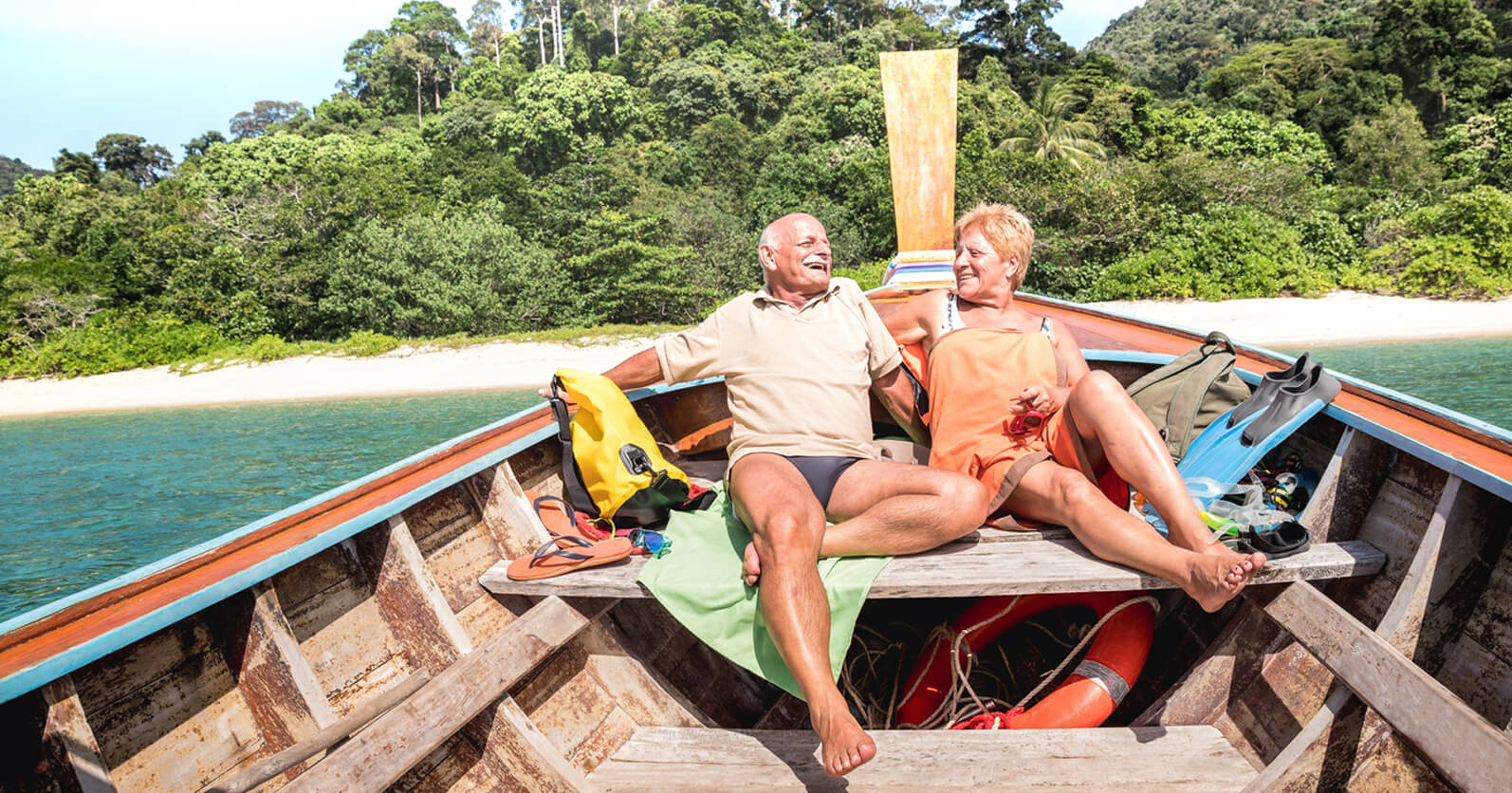
The Special Resident Retiree’s Visa, commonly called the SRRV, is a special non-immigrant visa issued by the Bureau of Immigration through the Philippine Retirement Authority. It gives qualified foreign retirees and former Filipinos a long-term basis to live in the Philippines, subject to the program’s eligibility, deposit, documentary, and continuing compliance requirements.
The SRRV is important because it offers an alternative to repeated tourist visa extensions for people who want to make the Philippines their longer-term home. It is intended for retirement and residence planning rather than ordinary local employment, so applicants should match the visa to their actual purpose and understand its requirements before transferring funds or relocating.
What The Special Resident Retiree’s Visa Is
The Special Resident Retiree’s Visa is a special non-immigrant visa granted through the Philippine Retirement Authority, or PRA, and issued by the Bureau of Immigration. It is designed for qualified foreign nationals and eligible former Filipinos who want to reside in the Philippines on a long-term basis.
Unlike a 9(a) temporary visitor visa, the SRRV is not based on short tourist stays and recurring extensions. Unlike a 9(g) work visa, it is not tied to a Philippine employer. Instead, eligibility is generally based on the applicant’s age, documentary qualifications, financial deposit, and compliance with PRA rules.
Why Foreign Retirees Choose The SRRV
Many foreign nationals consider the Special Resident Retiree’s Visa because it offers a more stable residence arrangement than repeated visitor visa extensions. It can be useful for retirees who want to live in the Philippines, spend extended time with family, maintain a long-term home, or enjoy multiple-entry travel flexibility.
The SRRV is also relevant to people who are not yet retired in the traditional sense but meet the age and financial requirements of the program. The word “retiree” describes the visa program, but eligibility depends on the current PRA categories and rules rather than on whether the applicant has completely stopped working.
The Philippine Retirement Authority
The Philippine Retirement Authority is the government agency responsible for administering the SRRV program. The PRA evaluates applications, sets deposit and documentary requirements, coordinates with accredited banks, and works with the Bureau of Immigration for visa issuance.
Applicants should use current PRA guidance rather than relying on older online content. The SRRV program has changed over time, including changes to categories, deposit amounts, and applicant eligibility. A figure or category mentioned in an older article may no longer be available.
Who Can Apply
The Special Resident Retiree’s Visa is generally open to foreign nationals who meet the PRA’s age, nationality, financial, and documentary requirements. Public 2026 guidance indicates that the standard SRRV program is available to applicants aged 40 and above, subject to the applicable SRRV category and deposit requirement.
Applicants must also have a valid passport and tourist visa or another lawful temporary stay status while applying in the Philippines. The PRA requires the passport and current tourist visa to remain valid for at least 30 days during processing; if the temporary stay expires while the application is pending, the applicant must extend it.
Former Filipino citizens and overseas Filipinos may be eligible under specific PRA rules and may have different financial requirements. Applicants from countries without diplomatic relations with the Philippines or those classified as restricted by the Department of Foreign Affairs may not be eligible.
SRRV Categories
The SRRV program includes categories with different deposit requirements and eligibility conditions. Current public guidance should be reviewed directly with PRA before filing, as categories and corresponding requirements may be revised.
The principal categories commonly associated with the program include:
- SRRV Classic, which is generally linked to applicants who meet the required age, deposit, and financial conditions.
- SRRV Courtesy, which may apply to former Filipino citizens, certain foreign nationals with qualifying service, and other specially recognized applicants under PRA rules.
Applicants may encounter older references to SRRV Smile, SRRV Human Touch, or other categories. These should not be relied on without confirming current PRA availability and qualification rules.
Required Visa Deposit
A required visa deposit is one of the core elements of the Special Resident Retiree’s Visa. The deposit must be placed in a PRA-accredited bank, supported by proof of inward remittance, and maintained in accordance with PRA rules.
The amount required may depend on the applicant’s age, pension status, chosen category, and whether dependents are included. Current guidance commonly identifies lower deposits for applicants with a qualifying lifetime pension and different deposit levels for applicants without a pension.
For example, public 2026 summaries describe deposit levels that may include US$25,000 for applicants aged 40 to 49 with a qualifying pension, US$50,000 for applicants aged 40 to 49 without a pension, US$15,000 for applicants aged 50 and above with a qualifying pension, and US$30,000 for applicants aged 50 and above without a pension. Because the deposit structure can change, applicants should obtain written confirmation from the PRA before remitting funds.
Pension Requirements
Applicants who seek the pension-based deposit tier must provide proof of a qualifying lifetime pension. Current PRA-related guidance refers to monthly pension thresholds of at least US$800 for a single applicant or US$1,000 for an applicant with dependents.
The proof should clearly show that the pension is ongoing and payable for life. A temporary income stream, freelance income, investment account balance, or one-time payment may not be accepted as a lifetime pension.
Applicants should prepare official letters from the pension provider, government agency, insurer, or other responsible institution. Supporting bank statements may also be useful to show the actual receipt of pension income.
Documents Required
The PRA publishes a detailed list of documents for the SRRV application. The principal applicant should expect to provide:
- Original passport with a valid tourist visa or lawful temporary status.
- Completed PRA application form, typed or computerized, and bearing the original signature.
- PRA medical certificate using the prescribed examination form.
- Police clearance from the applicant’s country of origin or most recent country of residence.
- Bureau of Immigration Clearance Certificate.
- NBI clearance, if the applicant has stayed in the Philippines for more than 90 days before filing.
- Recent 2×2 photographs with a white background.
- Bank certificate or proof of inward remittance and visa deposit.
- Proof of pension, if applying under a pension-based deposit tier.
- Civil documents for dependents, such as marriage and birth certificates.
- Payment of the PRA processing fee.
The exact number of copies, authentication requirements, and filing method should be confirmed with PRA before submission.
Passport and Current Visa Status
The applicant must hold a passport and a valid temporary stay status while applying. The PRA states that the original passport and tourist visa must be valid for at least one month during processing.
If the visa expires before the SRRV is issued, the applicant must secure an extension from the Bureau of Immigration. An SRRV application does not automatically preserve a visitor’s authorized stay while processing is ongoing.
Applicants should check the passport expiry date as well. A passport that will expire soon can interrupt the process or create complications when the visa is implemented.
Medical Certificate
The PRA requires a medical certificate using the PRA Examination Form Template. The medical examination may be completed at a hospital in the Philippines or abroad, but the certificate is only valid for six months before submission.
The medical documents should be complete and signed by the relevant medical professional. Applicants should not use an unrelated general medical letter if the PRA form is required.
If medical documents are issued outside the Philippines, applicants should confirm whether an apostille, authentication, translation, or additional legalization is required.
Police, NBI, And BI Clearances
Character and immigration clearances are an important part of the SRRV process. The principal applicant and dependents aged 18 and above generally need police clearance from the country of origin or recent residence, valid for six months at the time of submission.
An applicant aged 18 or above who has stayed in the Philippines for 90 days or more before filing must also obtain an NBI clearance. This requirement is based on the applicant’s length of stay before filing, not simply on tourist visa validity.
The PRA also requires a Bureau of Immigration Clearance Certificate. Applicants should plan for these documents because they can take time to obtain and may have a limited validity period.
Step One: Confirm Eligibility
The first step is confirming whether the applicant meets the age, nationality, financial, pension, and health requirements for the chosen SRRV category. This should happen before the applicant transfers funds or commits to a long-term move.
The applicant should also review whether dependents will apply. Adding a spouse or children can affect the required documentation, pension threshold, and deposit considerations.
An early eligibility review helps avoid selecting a deposit tier that does not fit the applicant’s actual circumstances.
Step Two: Prepare The Documentary File
Once eligibility is confirmed, the applicant should prepare the application form, passport, medical certificate, police clearance, photographs, and other supporting documents. The PRA application form should be completed accurately, typed or computerized, and signed in original form.
Documents issued overseas may need apostille certification or authentication. If the documents are not in English, the applicant may need a certified English translation.
The applicant should check that names, dates of birth, passport numbers, and marriage or family details are consistent across every document.
Step Three: Complete The Medical And Clearance Requirements
The applicant should schedule the medical examination using the PRA form and obtain police clearance from the country of origin or last residence. Applicants who have been in the Philippines for more than 90 days should also plan for an NBI clearance.
Timing matters because both medical and police records are valid for limited periods. Applicants should avoid preparing them too far in advance, but should also allow enough time for apostille and authentication where required.
Step Four: Open The Deposit Account
The applicant opens the required account with a PRA-accredited bank and remits the required visa deposit from abroad. The bank issues a certificate showing the inward remittance and deposit placement.
The funds must be remitted through the correct channel. Cash deposits, local transfers, and undocumented funds may not satisfy the program’s inward remittance requirement.
Applicants should retain wire transfer receipts, bank confirmations, currency conversion records, and the certificate of visa deposit.
Step Five: Submit The SRRV Application
The completed application package is submitted to the Philippine Retirement Authority. The applicant pays the applicable processing fees and submits the original documents and required copies.
Current PRA guidance identifies a US$1,500 application fee for the principal applicant and US$300 for each spouse or dependent applicant. Other charges, including annual fees, card costs, bank fees, medical costs, and document authentication expenses, may also apply.
Applicants should confirm current fees and accepted payment methods before filing, as these may change.
Step Six: PRA Review And Visa Endorsement
The PRA reviews the application, checks the deposit certificate, verifies the documentary requirements, and coordinates with the Bureau of Immigration for visa issuance. The applicant may be asked to submit additional documents or correct incomplete records.
A complete file does not guarantee immediate approval. Processing time can depend on the PRA’s workload, the bank’s confirmation, immigration clearance, and the quality of the applicant’s documents.
Applicants should avoid booking irreversible travel or property arrangements based solely on an expected approval date.
Step Seven: SRRV Issuance And Registration
Once approved, the Special Resident Retiree’s Visa is issued through the Bureau of Immigration. The holder may then be required to obtain or update an ACR I-Card and comply with the immigration registration process.
The ACR I-Card is separate from the SRRV but is important for proof of registration, travel, banking, property transactions, and official processes in the Philippines.
The visa holder should also keep the passport, PRA documents, bank certificate, ACR I-Card, and official receipts in a secure compliance file.
Dependents Under The SRRV
The principal SRRV applicant may generally include a spouse and unmarried children under 21, subject to current PRA conditions and documentary requirements. Dependent children may need birth certificates, while spouses need marriage certificates.
Dependents aged 18 and above generally require their own police clearances and may also need personal documents, photographs, and application forms.
Family members should be included in the planning stage because late additions can require additional applications, documents, and processing fees.
What The SRRV Allows
The Special Resident Retiree’s Visa provides long-term residence and may offer multiple-entry privileges. It is intended to allow qualified holders to live in the Philippines under the SRRV program rather than relying on repeated tourist visa extensions.
However, the SRRV is not a blanket work permit. A retiree who wants to work for a Philippine employer, manage a local company in an employment capacity, or practice a regulated profession should obtain advice on any additional work, labor, corporate, or professional authorization requirements.
The SRRV also does not grant Philippine citizenship, voting rights, or rights to own land contrary to constitutional restrictions.
Maintaining SRRV Compliance
SRRV holders must maintain compliance with the PRA program after approval. This includes preserving the required visa deposit, paying applicable annual fees, keeping the passport and immigration documents current, and following PRA and Bureau of Immigration reporting requirements.
The deposit may be converted into certain approved investments or property transactions under PRA rules, but applicants should obtain written confirmation before using or moving the funds. Withdrawals, transfers, or changes to the deposit without authorization can affect the holder’s status.
Long-term residence requires ongoing attention, not only initial approval.
Key Takeaways
The Special Resident Retiree’s Visa provides eligible foreign nationals with a long-term route to live in the Philippines through the Philippine Retirement Authority and the Bureau of Immigration. Applicants must meet the current age and documentary requirements, maintain lawful temporary status while applying, place the required visa deposit in a PRA-accredited bank, and complete the medical, police, NBI, BI clearance, and family document requirements.
The SRRV is not simply a retirement label or a tourist visa alternative. It is a structured residence program with financial, immigration, and ongoing compliance obligations. Applicants should confirm the current PRA category and deposit rules before remitting funds or relying on older guidance.
Work Visa Philippines helps foreign retirees and long-term residents assess their eligibility, prepare the required documents, coordinate the SRRV application process, and plan for continuing immigration compliance in the Philippines.
How Work Visa Philippines Can Help
For Work Visa Philippines, the Special Resident Retiree’s Visa is a valuable option for foreign nationals seeking a long-term residence plan that is not tied to local employment. It can be especially useful for retirees, financially independent applicants, former Filipinos, and families who want to make the Philippines their home.
The right planning approach connects the applicant’s age, pension status, deposit capacity, family situation, tax considerations, and intended Philippine activities. A well-prepared application can reduce delays and help the applicant transition from visitor status to a structured long-term residence arrangement. Contact us today for an initial consultation:
- Contact Us Here
- Fill Out the Form Below
- Call us at +63 (02) 8540-9623