For foreign nationals visiting or establishing their careers in the country, maintaining a legal immigration status is paramount. Whether you are a digital nomad, a tourist exploring the islands, or a professional awaiting the approval of your corporate 9G work visa, applying for a visa extension is a routine but critical administrative task. The Bureau of Immigration (BI) enforces strict stay limits, and failing to secure a timely visa extension can result in mounting fines, airport offloading, or even a derogatory immigration record.
Understanding the 9(a) Temporary Visitor Visa Extension
Most foreign nationals from visa-free countries enter the Philippines under the 9(a) Temporary Visitor Visa, which automatically grants an initial authorized stay of 30 days. If you intend to remain in the country beyond this initial period, you must file for a visa extension before the 30 days expire.
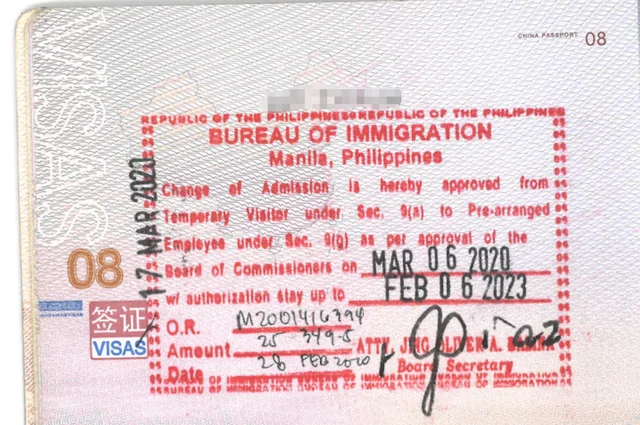
The Bureau of Immigration structures the visa extension process incrementally. The very first extension allows for an additional 29 days, bringing your total stay to 59 days. Following this first waiver, foreign nationals can choose to extend their stay in blocks of one month, two months, or, at select BI offices, even six months at a time through the Long-Stay Visitor Visa Extension (LSVVE) program. For most nationalities, the maximum continuous stay allowed under a tourist visa is 36 months, after which a mandatory departure is required unless the visa is converted to a resident or work status.
Who Needs a Visa Extension in the Philippines?
The requirement to process a visa extension applies to any non-immigrant who plans to stay past their currently stamped validity date, regardless of their ultimate purpose in the country. This includes a wide demographic of travelers and expatriates.
For professionals on workvisaphilippines.com, a visa extension is most commonly utilized as a “bridging” status. Because processing an Alien Employment Permit (AEP) and a 9G work visa can take two to three months, expatriates often arrive on a 9(a) tourist visa and must continuously extend it to avoid overstaying while their corporate permits are adjudicated. Similarly, dependents of foreign workers, retirees exploring SRRV options, and independent remote workers must all diligently manage their extensions until their long-term visas are formally implemented by the BI.
Timelines: When to Apply for Your Visa Extension
Timing your application is critical to avoid the stress of last-minute processing and the financial burden of overstaying penalties. The Bureau of Immigration maintains strict cutoff dates for when an extension must be recorded in their system.
Immigration attorneys and consultants universally advise submitting your visa extension application at least seven to fourteen days before your current authorized stay expires. Applying early does not rob you of your current days; the new extension is added to the exact expiration date of your current visa. Waiting until the very last day leaves you vulnerable to unexpected public holidays, BI system downtimes, or missing documentation, which can instantly push you into an illegal overstay status.
Core Requirements for a Visa Extension
Preparing the correct documentation is the key to a fast, rejection-free visa extension process. The Bureau of Immigration requires a standard set of documents to verify your identity and current legal standing in the country.
To apply for a visa extension in the Philippines, you must present your original, valid passport, which must have at least six months of validity remaining beyond your intended period of stay. You will also need a fully completed Visa Extension Form (TVA form), which is available at BI offices or downloadable via the BI portal. Additionally, you must provide a clear photocopy of your passport’s bio-page, the page displaying your latest arrival stamp, and the page showing your most recent visa extension (if applicable). For online applications, high-quality digital scans of these specific pages are required.
Step-by-Step Process for Online Visa Extension
In 2026, the Bureau of Immigration significantly enhanced its e-Services portal, allowing many foreign nationals to process their visa extension entirely online without visiting a physical office. This digital route is highly recommended for standard 1-month or 2-month renewals.
- Register on the BI e-Services Portal: Navigate to e-services.immigration.gov.ph and create a secure account using your email address.
- Fill Out the Application: Select the “Visa Extension” module, enter your personal data, passport details, and current visa status, and choose your desired extension duration.
- Upload Documents: Attach the required PDF or JPEG scans of your passport bio-page and latest entry stamps.
- Pay the Fees: The system will generate an electronic billing statement. You can pay your visa extension fees via approved online banking channels, credit cards, or digital wallets like GCash.
- Receive Confirmation: Once approved, the extension is automatically updated in the BI database, and you will receive an electronic receipt, which you should print and keep with your passport.
Step-by-Step Process for In-Person Visa Extension
While the online e-Services portal is convenient, certain situations—such as applying for your first ACR I-Card, dealing with system mismatches, or requesting a 6-month LSVVE—mandate a physical appearance at a Bureau of Immigration office. You can process your extension at the BI Main Office in Intramuros, Manila, or at designated satellite offices and regional branches across the country.
- Secure the Application Form: Obtain the Consolidated General Application Form for a visa extension at the Public Information and Assistance Unit (PIAU) upon arrival, or download it in advance from the BI website.
- Submit Your Documents: Proceed to the frontline receiving counter and submit your completed form, original passport, and required photocopies (bio-page and latest entry stamp) to the evaluating officer.
- Undergo Verification: The officer will check your records; if you have no derogatory hits or overstaying violations, they will issue a BI Clearance and an Order of Payment Slip (OPS) detailing your specific fees.
- Pay the Fees: Take your OPS to the cashier window, pay the exact amount in cash, and secure your Official Receipt (OR).
- Claim Your Passport: Return to the releasing window and wait for your name to be called. If you paid the express lane fee, your passport will be stamped with the new extension dates on the same day; otherwise, you will be instructed to return after a few business days.
When visiting a BI office, always observe the strict dress code (no shorts, sandos, or slippers) and bring your own pen, as counters can get crowded during peak hours. This structured in-person process ensures all physical requirements, such as potential biometrics capture for the ACR I-Card, are completed in a single visit.
The ACR I-Card Requirement for Long-Term Stays
A critical milestone in the visa extension process occurs when your cumulative stay in the Philippines exceeds 59 days. At this point, the Philippine government mandates the issuance of an Alien Certificate of Registration Identity Card (ACR I-Card).
The ACR I-Card is a microchip-enabled identification card that holds your biometrics and serves as official proof of your legal registration as a temporary visitor. The fee for this card is approximately USD 50 (payable in PHP based on the current exchange rate), plus an express lane fee of PHP 500. If you apply for a visa extension online that crosses the 59-day threshold, the BI system will still charge you for the card, but you must physically visit a local BI office to have your fingerprints and photograph captured before the physical card can be released. The ACR I-Card is generally valid for one year and must be renewed if you continue to extend your tourist visa.
Fees and Costs Associated with Visa Extensions
Understanding the cost structure of a visa extension helps expatriates budget for their stay, especially since the fees fluctuate based on the duration of the extension and whether an ACR I-Card is required. The BI uses a standardized fee matrix for 2026.
- First Extension (up to 59 days): The standard fee is approximately PHP 3,030, which includes the visa fee, application fee, and express lane charges.
- Subsequent 1-Month Extension: Costs roughly PHP 3,030 if the ACR I-Card is already active.
- Subsequent 2-Month Extension: Costs around PHP 4,110 (without ACR) or up to PHP 7,500 if the ACR I-Card issuance is bundled into the transaction.
- 6-Month Extension (LSVVE): A long-stay extension typically costs around PHP 11,620, incorporating legal research, certification fees, and extended express lane charges.
Always keep your official receipts, as you will need to present them when applying for an Emigration Clearance Certificate (ECC) before leaving the country after a stay of six months or more.
Common Mistakes That Delay Visa Extensions
Foreign nationals often encounter frustrating delays in their visa extension process due to simple administrative errors or a misunderstanding of BI policies. Avoiding these pitfalls is essential for a smooth transaction.
- Applying Too Late: Submitting an extension on the exact day of expiry or after the visa has lapsed immediately triggers an evaluation for overstaying, which halts the standard extension process and routes you to a penalty assessment.
- Ignoring the ACR I-Card Rules: Failing to realize that an ACR I-Card requires physical biometrics capture, even if the extension was paid for online, leading to an incomplete registration status.
- Incomplete Document Uploads: In online applications, uploading blurry passport scans or cutting off the edges of the latest entry stamp will result in an automatic rejection or request for resubmission.
- Mismatch in System Records: Using a different name format or passport number than what was initially recorded by the BI upon arrival, which confuses the e-Services database and requires an in-person correction.
- Disregarding the 36-Month Limit: Attempting to file a visa extension when you have already hit the 36-month maximum stay for visa-free nationals, resulting in a mandatory exit order.
Addressing these details proactively ensures that your visa extension is approved without the need for multiple visits to immigration offices.
Penalties for Overstaying Your Visa
Overstaying is considered a serious breach of Philippine immigration law, and the Bureau of Immigration imposes strict penalties on foreign nationals who fail to secure a visa extension on time.
- Monthly Administrative Fines: The BI levies a strict overstaying fine of PHP 500 for every month (or fraction thereof) that you remain in the country without a valid visa.
- Motion for Reconsideration Fees: If you overstay, you cannot simply pay the fine and extend; you must pay an additional fee for a “Motion for Reconsideration” to formally request the BI to update your status.
- Airport Offloading: Attempting to leave the country with an expired visa will result in being pulled off your flight by immigration officers, as penalties must be settled at a BI district office before an exit clearance can be issued.
- Risk of Deportation and Blacklisting: Prolonged, intentional overstaying classifies you as an illegal alien, subjecting you to summary deportation proceedings and placement on the BI Blacklist, barring future entry into the Philippines.
Maintaining a calendar reminder for your visa expiry date is the easiest way to prevent these severe legal consequences.
Converting from a Tourist Visa to a Work Visa
Usually, the ultimate goal is not to remain a tourist but to transition into a documented corporate employee. The 9(a) visa serves as a temporary vessel while your long-term status is processed.
While your employer is filing your Alien Employment Permit (AEP) with DOLE and your 9G visa petition with the BI, you must continuously process your visa extension. Do not assume that a pending work visa application automatically protects you from overstaying. If your tourist visa expires before your 9G visa is officially stamped, the BI will halt your work visa processing until you pay all overstaying fines and regularize your temporary visitor status.
Key Takeaways
Securing a timely visa extension is an absolute necessity for any foreign national wishing to prolong their stay in the Philippines, bridging the gap between temporary visits and long-term work or resident statuses. Whether extending through the highly convenient BI e-Services portal or at a regional Bureau of Immigration office, applicants must diligently prepare their valid passports, settle standard fees ranging from PHP 3,030 to PHP 11,620, and comply with the mandatory ACR I-Card biometrics requirement once their stay exceeds 59 days.
Treating the visa extension process casually invites severe consequences, including compounding monthly fines, airport offloading, and potential blacklisting that can derail your future career or travel plans in the country.
How We Can Help
Work Visa Philippines takes the administrative burden off your shoulders, providing seamless, proactive visa extension management for tourists, remote workers, and expats awaiting their 9G work visas. We track your deadlines, handle all BI filings, and ensure your legal residency remains uncompromised from the day you land until your permanent documents are released.
Don’t let a missed deadline jeopardize your stay in the Philippines. Contact Work Visa Philippines today to manage your visa extensions flawlessly:
- Contact Us Here
- Fill Out the Form Below
- Call us at +63 (02) 8540-9623