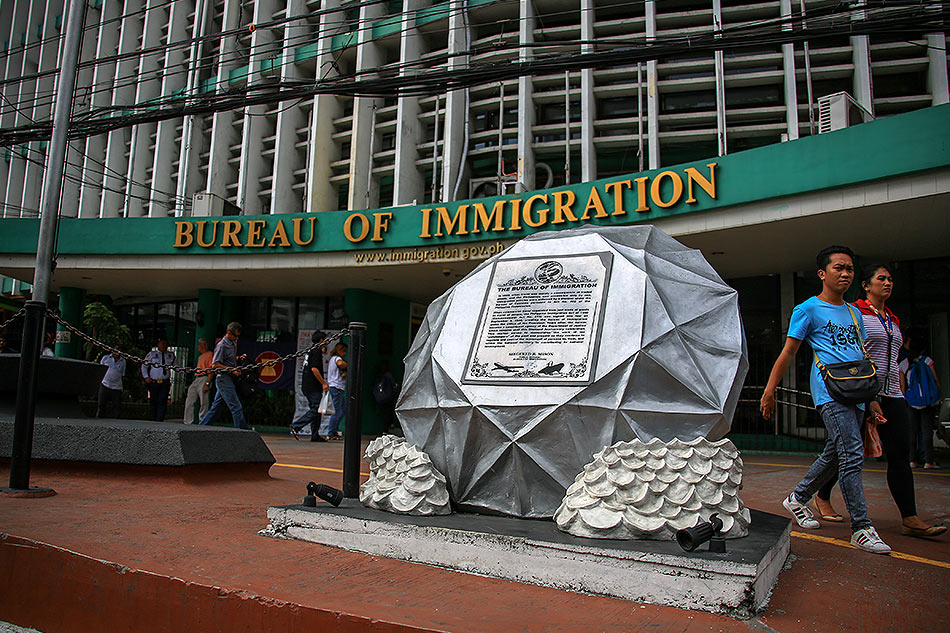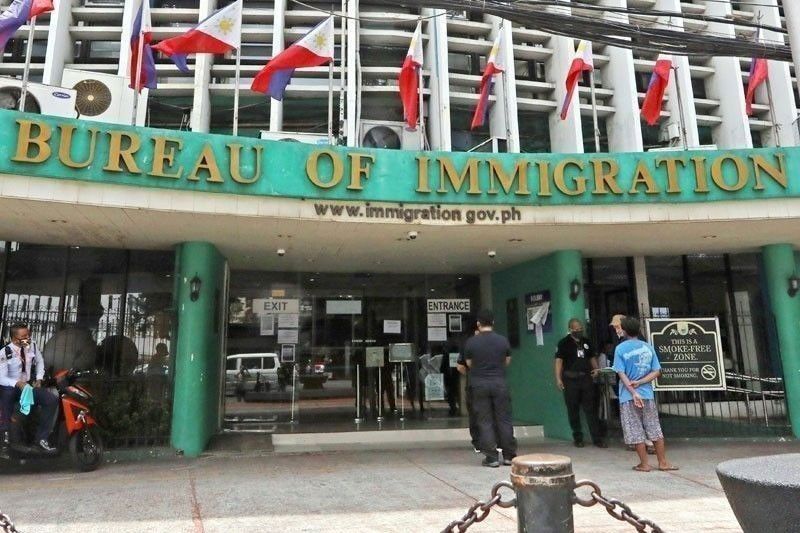
The Philippine Immigration Act (Commonwealth Act No. 613) is the core law that controls the entry, stay, and departure of foreign nationals (“aliens”) in the Philippines. It created the Bureau of Immigration and established the basic visa policy that all subsequent rules and special visas build on. Every work visa, investor visa, and long-stay status for foreign nationals operates within the framework defined by this Act.
In practical terms, the Act determines who can enter, what status they can hold (immigrant or non-immigrant), when they can be excluded or deported, and how employers and foreign workers must structure lawful work arrangements in the country.
What The Philippine Immigration Act Is
The Philippine Immigration Act of 1940 is Commonwealth Act No. 613, formally titled “An Act to Control and Regulate the Immigration of Aliens Into the Philippines.” It created the Bureau of Immigration, defined its officials, and provided the legal basis for immigration control systems that are still in use, although amended by later laws.
While it dates back to 1940, the Act was designed as a comprehensive framework, and subsequent amendments and related statutes (such as alien registration and citizenship laws) have updated but not replaced its core structure.
How It Structures Immigration Control
The Act establishes a legal system for controlling the entry, stay, and departure of foreign nationals. It authorizes Immigration Inspectors and Boards of Special Inquiry to examine arriving aliens, decide on admission, exclusion, or deportation, and enforce numerical limits for certain categories, such as quota immigrants.
This means immigration control is not ad hoc; it is guided by categories of admissible and inadmissible persons, specific grounds for exclusion, and clearly defined procedures for hearings and deportation where necessary.
Immigrant And Non-Immigrant Categories
The Act divides foreign nationals into immigrant and non-immigrant categories. Immigrants are people coming for permanent residence, while non-immigrants are temporary visitors and those in special temporary statuses.
Non-immigrants under the Act include temporary visitors for business, pleasure, or health, persons in transit, seamen, treaty traders, returning residents, and students over 15 years old entering temporarily for study at accredited institutions. These categories are the foundation from which later work, investor, and special visas are derived by regulation.
Quota And Non-Quota Immigrants
The Act establishes a quota system for certain immigrants. It limits quota immigrants to a maximum of 500 per nationality per calendar year, regulating permanent entry for those categories.
It also defines non-quota immigrants, such as aliens coming to pre-arranged employment, certain immediate family members of Filipino citizens, women who lost Philippine citizenship through marriage, and families of aliens lawfully admitted for permanent residence before the Act’s effect. Non-quota immigrants are not subject to numerical limits but must meet conditions outlined in the law.
Documentation Requirements
The Act requires foreign nationals to present proper documentation. Non-immigrants must have unexpired passports or equivalent documents showing origin and identity, and valid passport visas issued by Philippine consular officers, subject to specified exceptions.
Later regulations and manuals build on this requirement, but the underlying rule is that improperly documented aliens can be excluded or deported. The basic documentation requirement is one of the most important compliance points for anyone entering the country.
Excluded Classes Of Foreign Nationals
The Act lists multiple categories of persons who are excluded from the Philippines. These include:
- Persons likely to become public charges, paupers, and indigent aliens.
- Persons with loathsome or dangerous contagious diseases.
- Those convicted of crimes involving moral turpitude.
- Prostitutes, polygamists, anarchists, and unaccompanied children under 15 years old.
- Stowaways and aliens entering to perform unskilled labor without a special visa.
- Persons not properly documented, and those recently excluded or deported, who seek readmission without consent.
These excluded classes show how the Act defines protective boundaries around public health, safety, and economic concerns.
Grounds And Process For Deportation
The Act authorizes deportation for aliens who enter unlawfully, are inadmissible, engage in certain crimes or activities, become public charges, violate non-immigrant conditions, or advocate the overthrow of the government. Deportation requires a warrant, notification of grounds, a hearing under prescribed rules, and a determination by the Board of Commissioners.
During deportation proceedings, the Commissioner may require bonds or deposits to ensure compliance and appearance. These measures reflect how the Act gives Philippine authorities tools to manage serious immigration violations.
Bond And Cash Deposit Authority
To regulate admission and departure, and to ensure aliens do not become public charges or disappear before proceedings, the Commissioner may require bonds or cash deposits under the Act. These are returned or canceled if the conditions are fulfilled, or in cases of naturalization or death.
This bond authority is part of the control mechanisms that supplement the admission and deportation rules, especially for borderline or risk-based cases.
Penalties For Immigration Offenses
The Philippine Immigration Act not only regulates entry and stay, but it also imposes penalties for violations that undermine the country’s immigration system. These penalties are important because they show that immigration compliance is not merely administrative. In many cases, violations can lead to fines, imprisonment, deportation, or a combination of these consequences, depending on the nature and seriousness of the offense.
Common immigration offenses under the Act include:
- Entering the Philippines without proper inspection or admission.
- Using false, altered, or fraudulently obtained immigration documents.
- Impersonating another person for immigration purposes.
- Making false statements under oath in immigration applications or proceedings.
- Falsely claiming Philippine citizenship to avoid immigration control.
- Harboring, transporting, or assisting an alien who is not lawfully admitted or entitled to remain in the country.
- Violating the conditions of a visa or non-immigrant status.
- Re-entering after exclusion or deportation without the required consent or legal authority.
These provisions matter because they place legal responsibility not only on the foreign national, but in some cases also on individuals, sponsors, or employers who participate in or facilitate unlawful immigration conduct. For employers and foreign workers, this means every filing, declaration, and supporting document should be accurate, consistent, and lawful from the start.
Relationship To Work And Employment Visas
The Philippine Immigration Act provides the base categories and authority under which work visas, such as the 9(g) pre-arranged employment visa, operate. For example, foreign nationals coming to engage in lawful occupation under a bona fide employer–employee relationship must use a work visa category that fits within the non-immigrant framework created by the Act.
Modern work visa regulations (including requirements for Alien Employment Permits, 9(g) processing steps, and consular issuance rules) are built on this foundation, which defines non-immigrant workers, their dependents, and the conditions of their entry and stay.
Interaction With Related Laws
The Bureau of Immigration recognizes the Philippine Immigration Act as the central immigration law and lists several related laws that complement it. These include the Alien Registration Act (RA 562), citizenship retention and reacquisition laws (RA 9225), administrative naturalization rules (RA 9139), and specific acts addressing trafficking and migrant workers.
Together, these laws expand the regulatory landscape, but the Immigration Act remains the primary statute governing admission, exclusion, registration, and stay of foreign nationals.
How It Affects Foreign Workers And Employers
For foreign workers and employers, the Act’s structure matters because it is the legal basis for every category of work-related stay. Under its authority, later rules require foreign workers to have both appropriate visas and registration documents (such as the ACR I-Card), and employers to sponsor and maintain lawful status through compliant filings.
It also underlies the distinction between immigrant and non-immigrant employment, quota controls, and enforcement actions when a foreign worker violates non-immigrant conditions or becomes inadmissible after entry.
Final Thoughts
In conclusion, the Philippine Immigration Act is the central statute that defines how the Philippines admits, regulates, and, when necessary, removes foreign nationals, including those who come to live and work in the country. It establishes the basic categories of immigrants and non‑immigrants, sets out documentation and admissibility rules, and empowers the Bureau of Immigration to enforce exclusion, registration, and deportation procedures.
For anyone planning to work or invest in the Philippines, this Act is not just background law—it is the framework that underpins every work visa, special non‑immigrant status, and long‑stay permit. Understanding its structure and limits helps foreign nationals and employers design lawful immigration strategies, align labor and visa filings properly, and avoid actions that could lead to status problems or enforcement.
Work Visa Philippines operates within this legal foundation to guide foreign professionals, families, and businesses through compliant entry, stay, and work arrangements, ensuring that their plans match the rules the Philippine Immigration Act has set from the start.
How Work Visa Philippines Can Help
For Work Visa Philippines, the Philippine Immigration Act is the legal backbone behind every immigration case. Whether a client is applying for a 9(g) work visa, a special non-immigrant status, or handling ACR I-Card and extension procedures, the Act’s categories, documentation rules, exclusion grounds, and deportation procedures define what is possible and what must be avoided.
Understanding this statute makes it easier to design lawful entry, stay, and work strategies for foreign professionals, investors, and dependents, and to avoid actions that could trigger exclusion, deportation, or penalties. Contact us today for an initial consultation:
- Contact Us Here
- Fill Out the Form Below
- Call us at +63 (02) 8540-9623