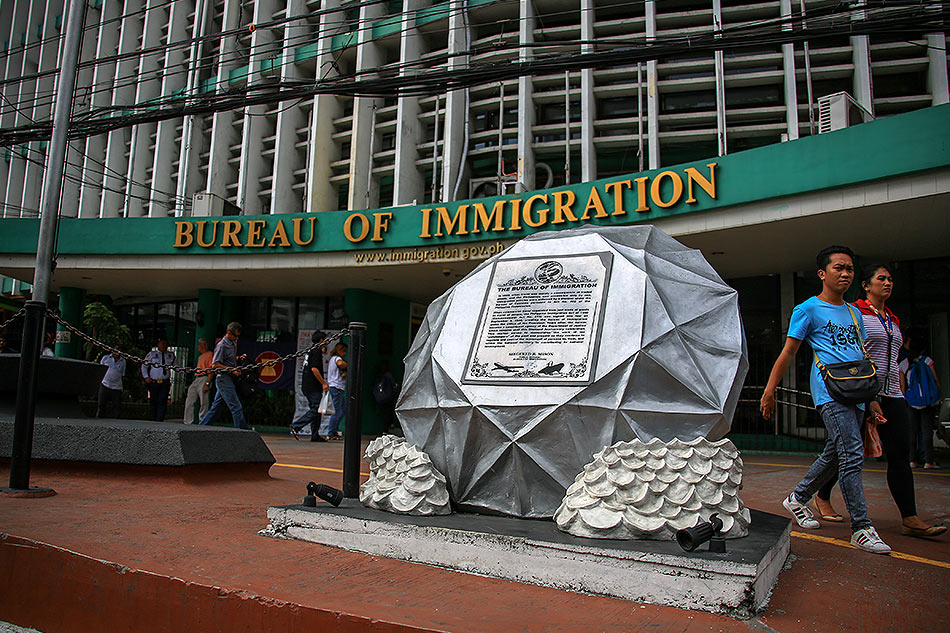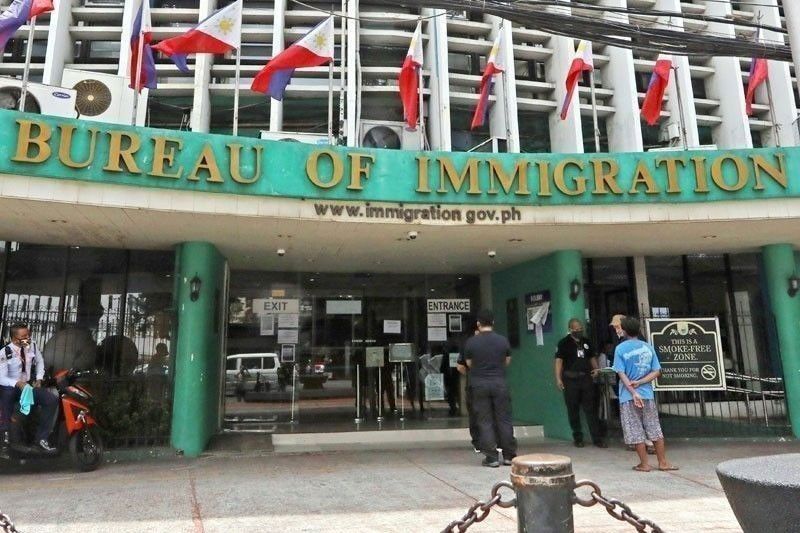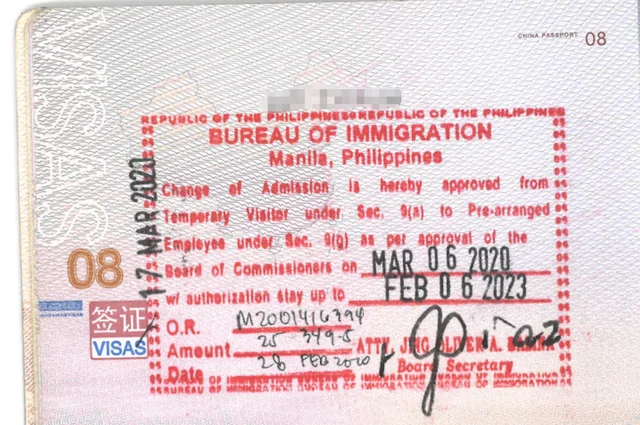
The 9G work visa is the main long-term employment visa for foreign nationals working in the Philippines. For Work Visa Philippines, it is one of the most important visa categories because it allows a foreign employee to live and work in the country legally under a sponsoring employer.
The 9G process is not just a single filing. It usually starts with labor authorization, continues with immigration approval, and ends with implementation steps such as the ACR I-Card and, in many cases, tax registration. Employers and foreign workers need to follow the sequence carefully to avoid delays, status problems, or work interruptions.
What The 9G Work Visa Is
The 9G work visa is the Philippine visa category for foreign nationals entering or staying in the country to engage in pre-arranged employment. It is tied to a specific employer and a specific job, which means it is not a general, open-ended work authorization.
This visa is typically used by foreign employees who have a formal job offer from a Philippine company, a local branch of a foreign business, or another qualifying sponsor. It is the standard route for long-term employment, especially when the foreign national will be working in the Philippines beyond a short temporary assignment.
Who Needs A 9G Work Visa
Any foreign national who intends to work in the Philippines for a Philippine employer generally needs a 9G work visa, unless another visa category more specifically applies. This includes executives, managers, technical specialists, engineers, consultants in employment roles, and other foreign employees hired under a labor contract.
The 9G visa is also relevant for foreign nationals who are already in the Philippines on another status and later convert to an employment-based stay. In practice, the visa is required whenever the person’s stay is linked to a pre-arranged job with a sponsoring entity in the Philippines.
Why The 9G Visa Matters
The 9G work visa matters because it is the immigration basis for lawful employment. A foreign national may have a job offer and even a labor permit, but without the visa the person may not be able to stay and work lawfully in the country for the intended period.
It also matters to employers because hiring a foreign national without the correct visa can create compliance problems. Companies that sponsor foreign workers need to ensure that both labor and immigration steps are completed so the foreign employee can start and continue working without interruption.
Legal Framework
The 9G work visa sits within a larger legal framework that includes the Philippine Immigration Act, Bureau of Immigration rules, and Department of Labor and Employment regulations. The labor side usually requires an Alien Employment Permit, which confirms that there is no competent, able, and willing Filipino available for the role at the time of application.
Because the visa is linked to employment, the sponsor must also be prepared to show the legitimacy of the business, the need for the foreign hire, and the terms of the position. The visa and labor authorization work together, not separately.
Step 1: Secure The Alien Employment Permit
The first major step in the 9G process is usually obtaining the Alien Employment Permit from DOLE. This permit is the labor authorization that shows the foreign hire is allowed because the role requires the specific skills or qualifications of that foreign national.
The employer, not the employee alone, normally handles this application. It requires the employment contract, company documents, proof of business legitimacy, and other supporting records that help DOLE determine whether the foreign worker may be engaged.
Step 2: Prepare The Visa Application
Once the AEP is secured or sufficiently advanced, the employer and foreign worker prepare the 9G visa application for submission to the Bureau of Immigration. The visa filing is typically supported by a sponsor’s request letter, the employment contract, the foreign worker’s passport, and the AEP.
This stage is where accuracy matters most. The visa application should match the actual position, salary, and employer arrangement, because inconsistencies between the employment documents and the immigration filing can cause delays or questions from BI.
Step 3: Submit To The Bureau Of Immigration
The Bureau of Immigration processes the 9G application, and the employer or sponsor usually submits the petition on behalf of the foreign worker. In many cases, the applicant does not file entirely alone; the Philippine sponsor is central to the process because the visa is tied to the local employment relationship.
After filing, BI may require the applicant to attend a hearing, provide biometrics, or submit additional records. The process can vary depending on the office, the sponsor’s profile, and whether the application qualifies for streamlined review.
Step 4: Attend The Hearing Or Interview
The Bureau of Immigration may require a hearing or interview for some 9G applications. This is an opportunity for BI to verify the employment arrangement, the legitimacy of the sponsor, and the foreign worker’s qualifications.
Not every case requires the same level of review, but employers should prepare for the possibility. It helps to have the company representative, employment records, and any supporting business documents ready in case BI asks questions about the role or the business need.
Step 5: Await Approval
Once the petition is reviewed, BI issues the approval if the application is meritorious. After approval, the foreign worker’s passport is normally submitted for visa implementation, which means the 9G visa stamp is placed in the passport.
Approval does not always mean the process is complete. The foreign worker may still need to complete the ACR I-Card process, tax registration, and any other post-approval requirements before the employment arrangement is fully in place.
Step 6: Implement The Visa
When BI approves the application, the passport is submitted for visa implementation. The passport and the BI order granting the visa are then returned with the 9G stamp, making the visa effective for the authorized period.
This implementation step is important because the visa is not considered fully usable until it has been stamped into the passport. Employers should plan the worker’s travel and start date around this stage so the employee can begin work lawfully.
ACR I-Card And TIN
After the 9G visa is approved and implemented, the foreign worker must usually apply for an ACR I-Card. The Alien Certificate of Registration Identity Card is the official ID for foreign nationals staying in the Philippines under registered status, and it is commonly required for immigration and official transactions.
The foreign worker must also obtain a Taxpayer Identification Number from the Bureau of Internal Revenue. This is required because the foreign national is taxable on income from Philippine sources. Without the tax registration step, payroll and compliance become more difficult for the employer and the employee.
Typical Documents Needed
The exact checklist can vary depending on the office and sponsor profile, but common documents for a 9G work visa include:
- A duly accomplished visa application form.
- A valid passport.
- A passport-sized photograph.
- A signed employment contract or appointment letter.
- The approved Alien Employment Permit.
- Corporate documents of the employer.
- A sponsor’s letter of request.
- Medical or police clearances if required by the specific filing channel.
- Documents for dependents, if they are included in the application.
The employer should make sure these documents are consistent. The job title, salary, contract period, and company details should all align across the AEP, the visa filing, and the underlying corporate records.
Dependents on a 9G Visa
The spouse and unmarried children under 21 may be included as dependents of the principal 9G visa holder. Their inclusion usually requires proof of relationship, such as marriage and birth certificates.
Dependents generally need their own visa-related processing and may also need ACR I-Cards depending on their status and length of stay. Their documents should be prepared together with the principal applicant’s case to avoid separation or timing issues.
Processing Time
The 9G work visa can take several weeks to several months to complete, depending on the completeness of the documents, the workload of the agencies involved, and whether any hearings or additional steps are required.
The process is slower than many short-stay visa applications because it involves both labor and immigration review. Employers should not wait until the last minute to begin. A good practice is to start as early as possible, especially when the foreign worker’s job start date is fixed.
Common Mistakes
A common mistake is treating the 9G visa as if it can be handled after the foreign worker has already begun working. In reality, the foreign national should have the correct legal status in place before employment starts.
Other common mistakes include:
- Filing the visa without first securing or properly aligning the AEP.
- Submitting an employment contract that does not match the actual position.
- Forgetting to prepare the ACR I-Card after visa approval.
- Not planning for TIN registration and payroll compliance.
- Assuming that the visa stays valid even if the role or employer changes materially.
Avoiding these mistakes helps prevent delays and compliance problems.
Final Insights
The 9G work visa is the main route for foreign nationals who will work in the Philippines on a pre-arranged employment basis. It usually starts with the Alien Employment Permit, moves through Bureau of Immigration review, and ends with implementation, ACR I-Card processing, and tax registration.
Is Expert Assistance Available?
Yes. Work Visa Philippines helps foreign workers and sponsoring employers manage the entire process from start to finish. If you are hiring a foreign national or moving to the Philippines for work, the 9G work visa should be planned early and handled carefully so employment can begin and continue without legal problems.
For Work Visa Philippines, the 9G work visa is a core part of helping foreign professionals and employers build lawful long-term employment arrangements. It is one of the most common visas for foreign workers in the country, and it touches nearly every part of the compliance chain from labor authorization to immigration implementation.
Companies that understand the 9G process can onboard foreign workers more smoothly and avoid disruptions. Foreign professionals benefit too, because they get a clearer path to lawful work, residence, and continuity in the Philippines. Contact us today for an initial consultation:
- Contact Us Here
- Fill Out the Form Below
- Call us at +63 (02) 8540-9623