For expats living in the Philippines, the difference between a smooth, long‑term stay and a constant struggle often comes down to one question: “Do I have the right visa and work authorization?” Many expats arrive on short‑term tourist or business visas, only to discover later that working, managing a business, or staying beyond the allowed period legally requires a different immigration status.
For workvisaphilippines.com, the core message is this: if you plan to live and work in the Philippines as an expat, you must start with the correct visa and permit, not rely on a tourist stay or informal arrangements. The process is straightforward in theory, but it must be handled correctly to avoid overstays, fines, or future entry issues.
Why the Right Visa Matters for Expats
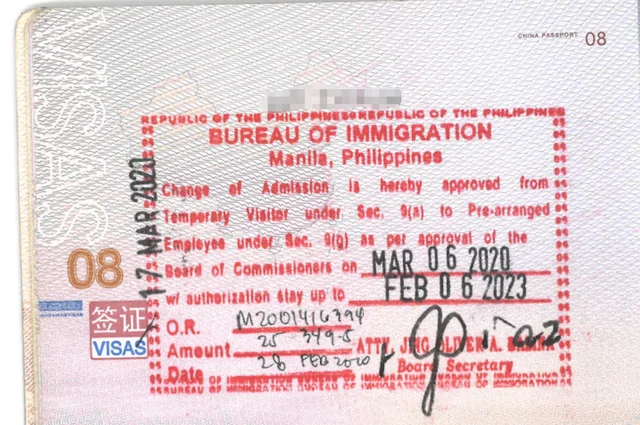
The Philippines allows foreign nationals to live and work in the country, but only if they hold the proper authorization. For expats, this usually means a work‑linked visa such as the 9(g) Pre‑Arranged Employment Visa, supported by an Alien Employment Permit (AEP) from DOLE, not a simple 9(a) tourist or business visa.
A mismatch between visa type and activity can create serious problems. A foreigner who tries to work on a tourist visa, overstays, or changes employers without a new visa can face fines, clearance requirements, and even repatriation or entry bans. For employers, sponsoring an expat without proper documentation can also trigger compliance issues with DOLE and the Bureau of Immigration.
The 9(g) Work Visa and Alien Employment Permit
The most common route for expats living in the Philippines as employed professionals is the 9(g) Pre‑Arranged Employment Visa paired with an Alien Employment Permit (AEP) from the Department of Labor and Employment (DOLE). Together, these two documents are the standard legal framework for foreign nationals working in Philippine‑based companies.
The AEP is DOLE’s approval that a foreign national may be hired for a specific role, salary, and duration, and that the hiring does not displace qualified Filipino workers. The 9(g) is the Bureau of Immigration’s authorization that allows the foreigner to enter or stay in the Philippines under that employment contract. Skipping the AEP or using the 9(g) without a clear contract is one of the most common errors expats and employers make.
Typical Steps to Get a Work Visa
For expats living in the Philippines, the process to obtain a work visa usually follows a clear sequence, even if the timing and location can vary by nationality and employer. The exact steps may differ slightly depending on whether the applicant starts the process in the Philippines, at a consulate abroad, or through a sponsoring company.
Common steps include:
- Securing a job offer or employment contract from a Philippine‑registered employer that includes position, salary, and term.
- Applying for the Alien Employment Permit (AEP) through DOLE, either directly or via the employer’s legal/HR team.
- Once the AEP is approved, applying for the 9(g) Pre‑Arranged Employment Visa at the Bureau of Immigration or at a Philippine embassy/consulate, depending on the expat’s current status and location.
- Undergoing any required medical exam, background checks, and document verification, then receiving the visa and, if applicable, the Alien Certificate of Registration (ACR I‑Card) for longer stays.
These steps are often employer‑driven, meaning the company is responsible for filing and managing many of the requirements, while the expat provides personal documents and attends key appointments.
Common Documents You Will Need
To obtain a work visa and permit as an expat living in the Philippines, both the employee and employer must prepare a standard set of documents. Consular and immigration offices often publish detailed checklists, but the core elements are generally consistent across recent guides.
For the foreign employee, usual documents include:
- A valid passport with at least six months’ validity beyond the requested visa period.
- A notarized employment contract or appointment letter.
- Proof of qualifications (diplomas, professional licenses, or training certificates).
- Medical examination report from an authorized clinic or hospital.
- Passport‑sized photos, police clearance, and any other ID documents required by the office.
For the employer, common requirements are:
- SEC registration, DTI registration, or other proof that the business is legally operating in the Philippines.
- Mayor’s permit and local tax registration.
- Articles of Incorporation, General Information Sheet, and evidence of adequate capital or financial capacity.
- Proof of publication of job vacancies, employee certifications, and tax filings, as required for AEP processing.
Missing or inconsistent paperwork is one of the main reasons for delays or rejections, so expats should plan to gather these documents early and keep copies in order.
Other Visa Paths for Expats
Not every expat living in the Philippines fits the standard 9(g) work visa model. The country has several other visa types that can support residence for investors, retirees, spouses, or treaty‑nation professionals.
- Special Resident Retiree’s Visa (SRRV): A long‑term visa for retirees who meet age and income or deposit requirements.
- Investor or special‑immigrant visas: For those who invest in priority projects or qualify under special economic‑development schemes.
- Non-quota immigrant visas (e.g., 13(a)): For foreigners married to Philippine citizens or in certain family‑reunification cases.
Each of these routes has its own rules, but many still involve some form of work‑permit or business‑activity restrictions, so expats must check whether they are allowed to be formally employed or to run a business under the chosen visa.
Renewals, Changes, and Compliance
For expats living in the Philippines, obtaining the first visa is only the beginning. The same rules apply when renewing, changing employers, or adjusting the work contract. A 9(g) is usually tied to a specific employer, role, and salary, so changing any of these elements often requires a new AEP and, in many cases, a new visa endorsement or extension.
Renewal typically involves:
- An updated employment contract or letter of intent.
- Updated AEP or renewal approval from DOLE.
- Updated medical exam and passport information.
- Proof of continued compliance with tax and social‑security obligations, such as SSS, PhilHealth, and Pag‑IBIG.
Failing to renew on time can lead to overstays, clearance requirements, and more complex future processing, which is why many employers and expats plan renewals several months in advance.
Practical Advice for Long-Term Expats
Expats living in the Philippines often report that the country is welcoming and affordable, but bureaucracy can be slow and details matter. Those who manage their visas well usually:
- Start with a clear understanding of whether they need a 9(g), retirement visa, or another type of long‑term status.
- Work with local HR or legal support to handle AEP and 9(g) applications, especially for the first time.
- Keep all documents organized and updated, including contracts, permits, and passport records.
- Plan for contingencies such as delays, medical checks, and consulate appointments, so their stay is not disrupted.
This kind of planning is especially important for long‑term expats who want stability, whether they are working in corporate jobs, running their own businesses, or living on retirement income.
Key Takeaways
For expats living in the Philippines, the key to a sustainable stay is not just finding a good job or a low‑cost lifestyle, but having the right visa and work permit status from day one. The 9(g) work visa plus the AEP is the backbone for most foreign professionals, and other visa routes exist for retirees, investors, and family‑based expats.
Get Expert Help
Work Visa Philippines helps foreign nationals and employers get these steps right, from the first job offer to the long‑term renewal strategy, so expats can focus on building a life in the country instead of worrying about immigration problems.
Contact us to schedule an initial consultation:
- Contact Us Here
- Fill Out the Form Below
- Call us at +63 (02) 8540-9623