For many foreigners, the idea of expats living in the Philippines centers on beaches, low costs, and a slower pace of life. In reality, the experience is a blend of strong advantages—such as a low cost of living, English‑friendly environment, and friendly communities—and real challenges, including traffic, bureaucracy, and strict visa rules for working and staying long term.
For workvisaphilippines.com, the most important angle is this: a comfortable life as an expat depends less on the climate and more on having the right visa matched to your job and residence plan. From corporate professionals in Makati to remote workers in Cebu and retirees in Dumaguete, expats who plan their visas upfront tend to have smoother, longer stays.
Why Expats Choose the Philippines
Expats living in the Philippines are a relatively small group compared with neighboring countries, but their numbers are growing, especially in business hubs and popular retirement‑type locations. The main drivers are the low cost of living, warm climate, and the fact that the Philippines is still an “undiscovered” destination for many Western professionals.
Many expats also come for work in key sectors like BPO, IT, education, tourism, and healthcare, where English is widely used and foreign‑language skills are not required to integrate quickly. Others arrive through family or relationships, or as retirees on long‑term visas, gradually building a semi‑permanent life in cities such as Manila, Cebu, or Davao. Regardless of the starting point, almost all will eventually need to align their immigration status with how they intend to stay: as tourists, employees, investors, or retirees.
Best Cities for Expats Living in the Philippines
The choice of city can shape almost every aspect of life for expats living in the Philippines, from salary, work opportunities, and commute, to housing, lifestyle, and healthcare.
Metro Manila—especially Makati, BGC, and Quezon City—remains the top destination for foreign professionals and corporate employees, offering a dense network of offices, international schools, hospitals, and expat‑friendly neighborhoods.
Makati and Bonifacio Global City are often described as the “financial capitals,” home to most foreign embassies, multinational offices, and high‑end condominiums favored by expat families and single professionals.
Outside Manila, cities such as Cebu City, Davao, and Iloilo attract expats who want a balance between opportunity and a more relaxed lifestyle. Dumaguete and Tagaytay, meanwhile, are popular with retirees and long‑term residents who prefer smaller‑town living, lower costs, and a more predictable daily rhythm.
Wherever expats choose to live, the underlying rule is the same: residence plans must be supported by a valid visa, whether it is a work visa, retirement visa, or another long‑term status.
Jobs and Employment for Expats
For expats living in the Philippines on a working basis, the labor market is both an opportunity and a constraint. Many sectors are open to foreign talent, but the legal framework requires that the expat hold a proper work visa sponsored by a Philippine employer.
Sectors where expats are commonly employed include:
- Business Process Outsourcing (BPO) and IT services, especially in call centers, software development, and support operations.
- Education, including international schools and language institutes that hire foreign‑qualified teachers, particularly those with TESOL/TEFL certification.
- Tourism and hospitality, where expats work in hotel management, diving instruction, tour operations, and travel consulting.
- Engineering, healthcare, and technical roles, where specialized skills are in demand.
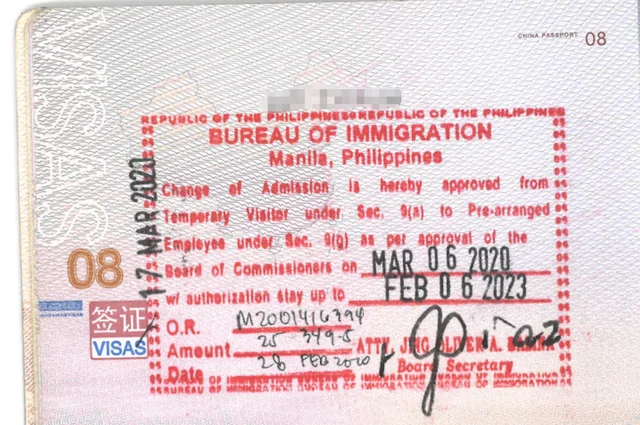
Most expats report that while local salaries are low compared with Western standards, the cost of living more than compensates, especially for those who receive foreign‑currency income or expat packages. The key visa requirement is usually a 9(g) work visa paired with an Alien Employment Permit from DOLE, which ties the foreigner to a specific employer, position, and salary level.
Lifestyle and Daily Life
Expats living in the Philippines often describe the lifestyle as “intense but rewarding,” mixing fast‑paced urban life with access to beaches, diving, and island‑hopping experiences. Cities like Manila and Cebu offer modern malls, international restaurants, and a wide range of services, while provincial areas provide a slower rhythm and a closer community feel.
Cost of living is one of the main advantages. Rent, utilities, food, and local services are generally much lower than in North America or Europe, allowing expats to live comfortably on modest incomes or partial foreign‑currency support. Healthcare is another mixed picture: top‑tier hospitals in Metro Manila offer international‑standard care, but costs and insurance coverage vary, so many expats opt for private health‑insurance plans tailored for mobile workers and retirees.
Day‑to‑day life also involves adjusting to local habits: traffic, typhoon season, bureaucracy, and the “Filipino time” approach to schedules. Expats who adapt well emphasize learning basic Filipino phrases, building local networks, and using local services intelligently, such as banking, transportation apps, and community‑based support groups.
Visa and Residence Options
For expats living in the Philippines, the two central questions are: 1) what are you really doing in the country, and 2) what visa matches that activity? Many expats start on a tourist visa or short‑term visit, then later realize they need a different status to remain legally while working or investing.
Common paths include:
- 9(g) work visa with AEP: For foreign employees hired by Philippine‑based companies, this is the standard route.
- Special Resident Retiree’s Visa (SRRV): For retirees who meet age and financial requirements, this visa allows long‑term residence and, in many cases, access to local housing and limited business activities.
- Special Investors Resident Visa (SIRV) or 9d treaty-type visa options: For those investing in local projects or qualifying under treaty rules, these routes can provide long‑term residence and business‑related privileges.
Staying in alignment with your visa also means avoiding “working on a tourist visa,” overstaying, or failing to renew permits on time. Missteps can trigger fines, clearance procedures, or even future entry bans, which is why many expats work with specialists who understand both the immigration and the practical life‑planning aspects.
Housing, Property, and Community
Housing is one of the most personal aspects of life for expats living in the Philippines. In major cities like Manila, Cebu, and Davao, expats tend to live in condominiums or gated communities, which offer security, amenities, and easy access to work and services.
Foreigners cannot own land under Philippine law, but they can fully own high‑rise condominium units, provided the project meets the 60‑40 rule (at least 60% of units owned by Filipinos). For long‑term stays, renting a serviced apartment or a condo unit is often the simplest option, especially when the lease is tied to a clear work or retirement visa.
Community life is another important factor. Online groups and local expat forums provide advice on visas, healthcare, schools, and day‑to‑day challenges, while city‑based social groups and professional associations help expats build networks and friendships. For many, this sense of community is what turns a temporary stay into a more permanent life in the Philippines.
Final Thoughts
For expats living in the Philippines, the real key is not just the country’s attractions but the quality and legality of their stay. The fast‑moving environment, inexpensive lifestyle, and welcoming culture are assets only when the expat has the right work visa, residence status, and a plan for managing housing, healthcare, and community life.
The Right Visa for Your Stay in the Philippines
Work Visa Philippines helps expats match their lifestyle and career goals with the correct visa route—whether they are arriving as employees, investors, remote workers, or retirees. From visa selection and document preparation to long‑term compliance and renewals, the goal is to make life in the Philippines as smooth as it is exciting.
Contact us today for an initial consultation:
- Contact Us Here
- Fill Out the Form Below
- Call us at +63 (02) 8540-9623