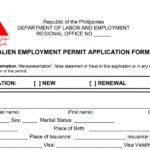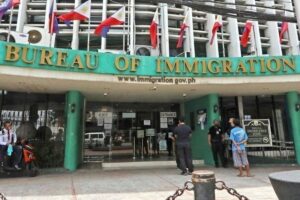
Hiring foreign nationals in the Philippines requires employers to navigate dual authorizations—an Alien Employment Permit (AEP) from the Department of Labor and Employment (DOLE) and a work visa (typically 9(G)) from the Bureau of Immigration (BI)—ensuring compliance while accessing specialized global talent. These processes protect local labor markets through mandatory job posting requirements and labor market tests, balancing economic needs with Filipino employment priority.
Why Hire Foreign Nationals? Strategic Benefits and Legal Framework
Bringing foreign talent to the Philippines addresses skill gaps in high-demand sectors like IT-BPM, engineering, manufacturing, and specialized management, where local expertise may be limited. Employers must demonstrate through the DOLE’s labor market test that no qualified Filipino is available, thereby justifying the hire both legally and economically.
The framework combines:
- DOLE AEP: Certifies employment necessity (2-4 weeks processing)
- BI Work Visa: Authorizes legal stay and work (4-8 weeks post-AEP)
- Social security registrations: SSS, PhilHealth, Pag-IBIG compliance
Total timeline: 6-12 weeks, requiring proactive planning to avoid hiring delays.
Alien Employment Permit (AEP): The Essential First Step
Every employer hiring foreign nationals must secure an AEP from DOLE within 15 days of contract signing, proving the position cannot be filled locally through a mandatory 15-day job posting period, allowing Filipino applications.
Core AEP Requirements
- Completed DOLE application form
- Employee passport copy with a valid entry visa
- Notarized employment contract detailing role, salary, duration, and duties
- Company Mayor’s/Business Permit
- Proof of academic credentials, licenses, and certifications matching position
- Evidence of relevant professional experience
- Supporting documents (medical certificate, police clearance if required)
Exemptions from AEP
- Diplomats and foreign government officials
- POEA-accredited foreign firm representatives
- Permanent/temporary resident visa holders
- International organization personnel
AEP validity aligns with employment contracts (1-3 years); renewals require updated documentation.
9(G) Pre-Arranged Employment Visa: Primary Work Authorization
With AEP secured, employers petition BI for the 9(G) visa, binding the foreign worker exclusively to the sponsoring company. Employer changes can trigger a visa downgrade to tourist status, requiring a full reapplication.
9(G) Application Documents
- Notarized certification of foreign vs. Filipino employee ratios
- BI Form No. 2 and supporting affidavits
- Medical exam (FA Form 11) from a BI-authorized physician
- 4 passport photos and police clearance
- SEC registration, Articles of Incorporation
- Certified true AEP copy
- BI Clearance and ACR I-Card (if extending)
- Valid passport
Processing involves pre-screening, motion hearing, biometrics, and visa implementation (which takes 4-8 weeks).
Temporary Work Permits: Bridging Approval Gaps
While awaiting full 9(G) approval, employers can utilize short-term authorizations for immediate onboarding:
Provisional Work Permit (PWP)
- Bridges AEP-to-visa gap
- Valid 3 months, non-renewable
- Issued to applicants already in the Philippines
- For projects ≤6 months
- Issued alongside a visitor visa
- Common for consultants, trainers, and short-term specialists
Both prevent work gaps but don’t replace permanent visas.
Complete Application Process and Timeline
Hiring foreign nationals follows a sequential DOLE to BI pathway, typically 6-8 weeks total:
- Contract Signing: Execute notarized employment agreement
- AEP Application (DOLE, within 15 days): 15-day job posting and processing (2-4 weeks)
- 9(G) Petition (BI): Submit post-AEP with full docs (pre-screening/hearing/biometrics, 4-6 weeks)
- Temporary Permits (if needed): PWP/SWP for interim work
- Visa Implementation: Passport stamping and ACR I-Card issuance
- Social Registrations: SSS/PhilHealth/Pag-IBIG within 30 days of start
Pro Tip: Start 3 months before the desired start date to buffer delays.
Employer Compliance Obligations
Beyond visas/permits, employers face ongoing responsibilities when hiring foreign nationals:
Mandatory Registrations (Within 30 Days)
- SSS: 15% total rate (employer 10%, employee 5%) on Monthly Salary Credit up to PHP 35,000
- PhilHealth: Employer/employee contributions (PHP 150-900 each)
- Pag-IBIG: PHP 100 each (foreigners often exempt)
Reporting Requirements
- Annual AEP/visa renewals (60 days pre-expiry)
- Monthly/quarterly tax filings
- DOLE/BI employment reports
- Employee ratio certifications
Non-compliance risks PHP 100,000+ fines, AEP revocation, deportation.
Common Pitfalls and Prevention Strategies
HR teams hiring foreign nationals frequently encounter avoidable issues:
Documentation Gaps
- Incomplete AEP packages: Rejection/delays
- Unauthenticated foreign credentials: DOLE denial
- Solution: Use apostille services and engage immigration counsel
Timing Mismatches
- Late AEP filing (post-15 days): Penalties
- Visa lapses: Illegal work status
- Solution: Implement a 90-day hiring lead calendar
Labor Market Test Failures
- Insufficient job advertising: Filipino objections
- Unconvincing skill justifications: DOLE denial
- Solution: Document 15-day postings thoroughly
Employer Changeovers
- Automatic 9(G) downgrade: Work gaps
- Solution: Secure a new AEP before resignation
Partnering with compliance experts eliminates 90% of these risks.
2024-2025 Policy Trends Impacting Hiring
Recent developments shape hiring foreign nationals strategies:
- Stricter AEP scrutiny: Enhanced labor market tests prioritizing Filipinos.
- Digitalization push: Partial online DOLE/BI portals (still limited).
- Sector prioritization: Easier approvals for IT-BPM, manufacturing, and advanced tech.
- Penalty enforcement: PHP 100K+ fines for illegal employment rising.
- Temporary permit expansions: SWP/PWP streamlined for short-term needs.
Stay updated via DOLE advisories and professional networks.
HR Action Checklist for Hiring Foreign Nationals
Streamline compliance with this proven checklist:
- Pre-Hire (90 days out): Assess AEP eligibility; publish job ad.
- Contract Stage: Notarize agreement; collect passport/credentials.
- Week 1 Post-Signing: File AEP with DOLE.
- AEP Approval: Immediately petition 9(G) at the BI.
- Interim: Secure PWP/SWP if needed.
- Week 1 Employment: Complete SSS/PhilHealth/Pag-IBIG.
- Ongoing: Monitor renewal calendar (60-day alerts).
Digital Tools: Use compliance trackers and automated reminders.
Key Takeaways
Hiring foreign nationals in the Philippines unlocks global expertise but demands rigorous DOLE/BI compliance. From AEP labor tests to 9(G) employer binding, SWP bridging, and SSS remittances, the process protects local markets while enabling strategic talent acquisition. Proactive planning, complete documentation, and expert partnerships convert compliance from an obstacle to a competitive advantage.
Why Partner with Work Visa Philippines for Hiring Foreign Nationals?
Managing hiring foreign nationals diverts HR from core talent strategies. Work Visa Philippines handles end-to-end compliance:
- AEP applications and DOLE representation
- 9(G) petitions, hearings, biometrics
- PWP/SWP interim permits
- Social security registrations
- Renewal tracking and employer changeovers
- Audit-proof documentation systems
Free initial consultations identify optimal pathways for your hiring needs:
- Contact Us Here
- Fill Out the Form Below
- Call us at +63 (02) 8540-9623