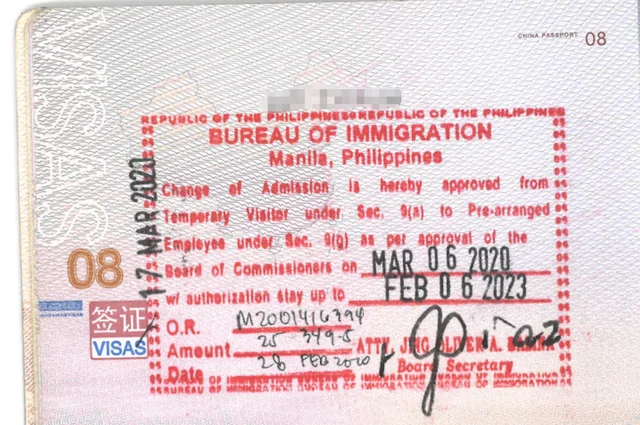
Visa downgrading in the Philippines is the process of changing a foreign national’s existing immigration visa back to a temporary visitor or tourist status before departure or before a different immigration step. For workvisaphilippines.com, this matters because it is often the final compliance step after a work assignment ends, a company closes, a project is completed, or a visa needs to be regularized before exit.
The process is not just administrative housekeeping; it can affect how long a foreign national may stay, whether they need an exit clearance, and whether the Bureau of Immigration considers them in legal status while they prepare to leave or switch to a different visa track. If handled properly, visa downgrading helps avoid overstaying penalties and future immigration issues.
What Is Visa Downgrading?
Visa downgrading is the BI process used to revert a long-term, special, or work-related visa to a temporary visitor visa, usually 9(a), so the foreign national can stay legally for a short period before departure or further processing. This is common after resignation, termination, company dissolution, or the end of a project assignment.
The Bureau of Immigration’s downgrade service specifically notes that foreign nationals apply for the reversion of their immigration visa to a temporary visitor or tourist visa to continue staying legally in the Philippines. In practical terms, the downgrade is often the bridge between the end of a work status and the final exit from the country.
When Is Downgrading Needed?
A visa downgrade is usually needed when a foreign national no longer qualifies for the visa they currently hold. That can happen for several reasons, and the BI checklist itself mentions examples like resignation, termination, late filing of extension, or dissolution of the company.
Common situations include:
- The foreign employee resigns or is terminated.
- The company closes or the project ends.
- A work visa extension is filed late or is no longer appropriate.
- A special visa must be converted before ACR I-Card cancellation or departure processing.
For some visa categories, downgrading is also a prerequisite to cancellation or exit clearance processing. That is why employers and foreign workers should not wait until the last minute to start the process.
Common Visa Types That May Be Downgraded
The most common downgrading cases involve long-term or work-based visas that are no longer valid for continued stay. BI checklists and practice materials show that the process may apply to a range of visa types, including employment-linked and special visas.
Typical examples include:
- 9(g) work visas when employment ends or the company relationship is terminated.
- 47(a)(2) special non-immigrant PEZA visas when the DOJ endorsement is no longer active or the work arrangement changes.
- Student visas, where downgrading is required after studies end or before departure.
- Other long-term special visas that must be converted to temporary visitor status before exit or cancellation.
Each category can have slightly different documentary requirements, but the overall logic is the same: once the foreign national no longer qualifies for the existing visa, the visa is downgraded to a temporary status before the next immigration step.
Filing Timeline and Grace Periods
Timing is one of the most important parts of visa downgrading. BI rules and transitory guidelines distinguish between applications filed before visa expiration, shortly after expiration, and long after expiration.
According to the published guidance, if a downgrade is filed on or before the visa expiration date, the foreign national may remain legally as a tourist for 59 days from approval, with possible extensions under the normal tourist rules. If the filing occurs within 59 days after expiration, the person is already considered overstaying, but the downgrade may still proceed with added update fees and additional conditions. If the filing is more than 59 days after expiration, more fees and a motion for reconsideration may be required.
This timing structure is why employers should begin the downgrade process as soon as the employment relationship ends or the need for the visa changes. Delayed filing can turn a straightforward downgrade into a more expensive and complicated overstay case.
Typical Requirements
The Bureau of Immigration’s downgrading checklist shows that the application must be supported by a request letter and the required supporting documents. The exact checklist can vary depending on visa category, but the core filing package is consistent.
Common requirements include:
- A letter request addressed to the Commissioner stating the reason for downgrading.
- An accomplished BI application form or CGAF, depending on the case.
- Photocopies of the passport bio page, visa implementation page, and the pages showing the latest admission and valid stay.
- Supporting documents that explain the reason for the downgrade, such as resignation, termination, company dissolution, or late filing.
- For some special categories, proof of notice to the DOJ or the relevant administering agency.
For student visa downgrades, the checklist may also require a transcript or certificate of grades, school clearance, and NBI clearance. This demonstrates that visa downgrading is always category-specific, even though the final goal is usually the same: reversion to temporary visitor status before departure.
Application Process
The process is straightforward in structure, but the details still matter. BI’s published service page lays out the basic sequence from submission to passport release.
The standard steps are:
- Present the letter request for downgrading and other requirements.
- Get the Order of Payment Slip.
- Pay the required immigration fees.
- Get the Official Receipt.
- Submit the Official Receipt together with the other requirements for downgrading.
- If approved, present the passport for implementation.
- Claim the passport stamped with the downgraded visa.
For PEZA-related visa downgrades, some recent operational changes mean the BI may send approval by email and set an Order to Leave period after approval, which can require prompt departure within a stated window. That means employers should confirm whether their case falls under BI, BI-PEZA, or another special processing track before assuming the timeline.
Fees and Cost Considerations
The cost of visa downgrading depends on whether the visa is still valid or has already expired, and by how long. BI’s published fee schedule gives a useful baseline for planning.
For a visa that has not expired, the listed charges are:
- Application Fee: PHP 2,000
- Certification Fee: PHP 500
- Legal Research Fee: PHP 20
- Total: PHP 2,520
- Express Fee: PHP 1,000
- Total with express: PHP 3,520
For a visa that expires within 59 days, the schedule adds an update fee of PHP 1,000, bringing the total to PHP 3,520 before express fees, and PHP 4,520 with express. For a visa that has expired for more than 59 days, the fee structure adds a motion for reconsideration fee and a higher legal research fee, resulting in a total of PHP 4,030 before express and PHP 5,030 with express.
Because fee schedules can change and special cases may carry additional charges, employers and foreign nationals should confirm the latest BI instructions before filing.
Why Downgrading Matters for Employers
Visa downgrading is not just the foreign worker’s problem; it is also an employer compliance issue. When a foreign employee leaves a job, the company should make sure the visa is downgraded or otherwise regularized so the foreign national does not remain in the country under an unsupported work status.
That is especially important for companies that sponsor work visas, project assignments, or special non-immigrant visas. A clean downgrade helps protect the employer from disputes over overstay, exit clearance problems, or future applications involving the same foreign national.
Employers should also keep copies of the resignation letter, termination notice, project completion memo, and any BI or DOJ notices linked to the downgrade. Those records can make the process smoother if the foreign national later returns on a new assignment.
Common Mistakes to Avoid
The most common mistakes in visa downgrading are usually timing mistakes. Foreign nationals and employers often wait until after the visa has already expired, which can trigger extra fees and overstay issues.
Other mistakes include:
- Filing without a clear reason for downgrading.
- Missing passport pages or other required copies.
- Confusing downgrade requirements for different visa categories.
- Ignoring DOJ or PEZA notice requirements where applicable.
- Failing to plan for the 59-day stay window and final departure timeline.
These issues are avoidable if the downgrade is treated as a formal exit step rather than an informal administrative task.
Final Thoughts
Visa downgrading in the Philippines is the process of reverting a long-term or work-related visa to temporary visitor status so the foreign national can remain legally for a short period before leaving or moving to the next immigration step. It is most important when employment ends, a project closes, or the visa holder no longer qualifies for the current status.
Handled on time, the process is simple and helps avoid fines and overstaying issues. Handled late, it can become more expensive and stressful, especially if the visa has already expired or the case requires reconsideration.
How To Get Expert Help
Work Visa Philippines helps employers and foreign nationals manage visa downgrading correctly so departure and status changes stay compliant from start to finish.
By understanding the downgrade rules, companies can avoid overstays, reduce costs, and maintain a cleaner immigration record for future hires. It also gives foreign workers a clear path from work status to temporary visitor status and, finally, lawful departure. Contact our team to schedule an initial consultation:
- Contact Us Here
- Fill Out the Form Below
- Call us at +63 (02) 8540-9623