If you are asking, “What visa do I need to work in the Philippines?”, the short answer is usually the 9(g) Pre-Arranged Employment Visa, supported by an Alien Employment Permit (AEP) from DOLE. For many foreign nationals, that is the standard legal route to take up paid work with a Philippine employer, while short-term or project-based assignments may use other permits such as a Special Work Permit or a Provisional Work Permit.
The key issue is not just the visa label but whether the visa matches the actual role, duration, and compensation structure of the foreign worker’s job in the Philippines. Choosing the wrong route can delay onboarding or create compliance problems later.
Why the Visa Question Matters
The Philippines treats foreign work as a regulated activity, not a default right attached to a passport. If a foreign national is coming to the country to perform paid work, they generally need both labor authorization and immigration authorization before they begin work.
That matters because immigration officers, DOLE, and employers all look at the same core question: does the foreign national have legal permission to do the job they were hired to do? If the answer is no, the worker may be exposed to fines, deportation, or other penalties, and the employer may also face compliance issues.
The Main Work Visa: 9(g) Pre-Arranged Employment Visa
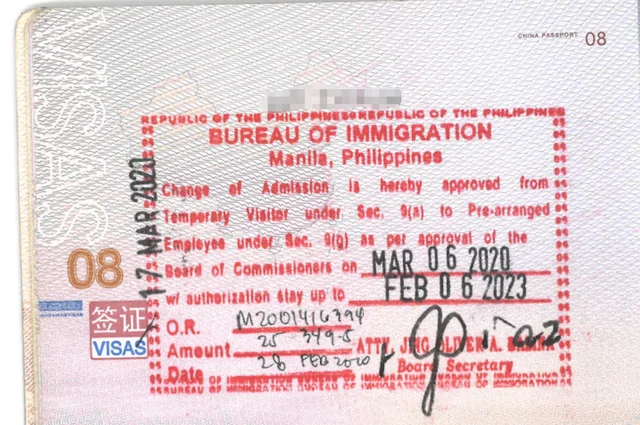
For most foreign workers, the answer to what visa do I need to work in the Philippines is the 9(g) Pre-Arranged Employment Visa. The Bureau of Immigration states that this visa is for foreign nationals proceeding to the Philippines to engage in lawful occupation, whether for wages, salary, or other forms of compensation.
The 9(g) is the immigration piece of the puzzle, but it does not stand alone. In most cases, the applicant must first secure an AEP from DOLE, and the employer must sponsor the filing. This means the visa is tied to a specific employer, role, and employment arrangement.
What Is the Alien Employment Permit?
The Alien Employment Permit is the labor permit that comes before or alongside the 9(g) work visa process. DOLE issues the AEP to confirm that the foreign hire is necessary and that the role can be lawfully filled by a foreign national under Philippine labor rules.
The AEP is important because the 9(g) visa is typically not approved without it. Employers usually file the AEP using the employment contract, passport copy, and company documents, then move to the 9(g) after the AEP is approved or well underway.
When a Special Work Permit Is Better
Not every foreign worker needs the full 9(g) route. If the assignment is short-term, project-based, or expected to last only a limited time, the Special Work Permit may be the better fit.
The SWP is generally used for temporary gainful work and is often valid for three to six months. It is commonly used for consultants, trainers, performers, athletes, technical specialists, and other short-term workers who are not entering a long-term Philippine employment relationship.
If you are asking, “What visa do I need to work?” and your answer is “just a short assignment,” the SWP may be enough—but only if the role really is temporary. If the role becomes ongoing, the employer should move to the 9(g) and AEP route.
When a Provisional Work Permit Helps
A Provisional Work Permit is useful when a foreign worker needs to start before the full visa process is finished. BI issues this as a bridge while the AEP and 9(g) are still pending, allowing the foreign national to legally begin working under the sponsoring employer.
This is often the best answer if the worker has a start date but the visa file is not yet complete. The PWP is temporary, so it does not replace the 9(g); it simply keeps the employment lawful during the waiting period.
Who Usually Needs a Work Visa
Most foreign nationals who will be paid by a Philippine company need a work visa, regardless of whether they are executives, specialists, or technical staff. The Bureau of Immigration’s 9(g) page makes clear that the visa is for people entering the Philippines to engage in lawful occupation for compensation.
Common examples include:
- Corporate executives and managers.
- Engineers, IT professionals, and technical specialists.
- Teachers, professors, and researchers.
- Doctors, nurses, and healthcare professionals.
- Short-term consultants or project workers who may instead qualify for an SWP.
If you are being paid for work performed in the Philippines, you should assume some form of work authorization is needed unless a very specific exemption applies.
Typical Documents Needed
The exact requirements depend on the visa type, but the checklist usually includes both employer and employee documents.
For a standard 9(g) work visa, common documents include:
- A valid passport.
- A completed visa application form.
- The employment contract or appointment letter.
- A certified copy of the AEP.
- Employer registration documents, such as SEC papers and mayor’s permit.
- Passport photos and other post-specific requirements.
In some cases, consulates also require medical and police clearances, especially when the application is filed abroad. The checklist can vary by embassy or consulate, so applicants should always confirm the filing rules for their location.
How the Process Usually Works
If you are figuring out what visa you need to work, it helps to see the process as a sequence rather than a single application. First, the employer identifies the role and confirms the need for a foreign worker. Then the employer files the AEP, and once the labor side is in motion, the work visa process begins.
A typical route looks like this:
- The job offer and employment contract are finalized.
- The employer files the AEP with DOLE.
- After AEP approval, the employee applies for the 9(g) visa.
- If needed, a Provisional Work Permit is used to bridge the waiting period.
- Once the visa is issued, the foreign national may work legally in the Philippines for the approved term.
For short assignments, the sequence may instead involve applying for an SWP and maintaining a valid temporary visitor status during the work period.
Common Mistakes Foreign Workers Make
A very common mistake is assuming a tourist or business trip is enough to begin working. The Philippine system does not treat a visitor status as work authorization, even if the job is short or remote.
Other mistakes include:
- Filing the 9(g) without first getting the AEP in motion.
- Using an SWP for a role that will actually last more than six months.
- Not keeping the employment contract, passport, and visa documents aligned.
- Waiting too long and needing emergency status fixes before the start date.
These errors are avoidable if the visa plan is matched to the work plan from the start.
Final Thoughts
If you are asking, “What visa do I need to work in the Philippines?”, the most common answer is the 9(g) Work Visa, supported by an AEP. For temporary work, the SWP may be enough, and for cases where the full visa is still pending, the PWP can provide a temporary bridge.
The best approach is to choose the visa based on the work duration and the actual role, not on convenience or assumptions. Work Visa Philippines helps foreign workers and employers pick the right path, prepare the right documents, and avoid costly status mistakes.
How Work Visa Philippines Can Help
For Work Visa Philippines, the answer to what visa do I need to work in the Philippines should be clear, practical, and tied to the worker’s actual assignment. Most foreign employees need the 9(g) plus AEP, short-term workers may need the SWP, and workers waiting on full approval can often use a Provisional Work Permit.
That distinction matters because employers often have several moving pieces at once: hiring, relocation, payroll, and immigration compliance. When those pieces are aligned early, the foreign worker can start legally and stay compliant throughout the assignment. For additional assistance, you can contact us:
- Contact Us Here
- Fill Out the Form Below
- Call us at +63 (02) 8540-9623