Foreign nationals seeking employment in the Philippines must comply with a series of important legal requirements, including obtaining the appropriate work permits. Understanding the types of work permits, eligibility criteria, application processes, and common compliance pitfalls is essential for a successful and lawful employment experience.
What Are Work Permits and Why Are They Necessary?
A work permit is an official authorization issued by the Philippine government allowing a foreign national to work legally in the country. Unlike visas that relate primarily to entry and stay, work permits confirm the legitimacy of the employment relationship and ensure that foreign workers occupy roles that Filipino nationals cannot fill. Work permits protect local labor markets while facilitating the employment of specialized international talent.
Types of Work Permits in the Philippines
The Philippine regulatory system offers three main work permits, each suited to specific employment situations:
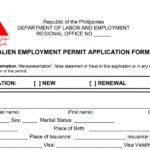
- Alien Employment Permit (AEP): The AEP is the primary permit required for long-term employment of foreigners. It certifies that no qualified Filipino is available for the position and must be secured before hiring foreign nationals for work lasting more than six months.
- Special Work Permit (SWP): The SWP serves short-term, project-based work assignments up to six months. It allows foreigners to perform specific tasks temporarily without changing their visa status.
- Provisional Work Permit (PWP): The PWP is issued to foreigners who begin work while awaiting the approval of their longer-term work visa or AEP application. It is valid for three months and is renewable once.
Each permit overlaps with specific visa requirements depending on employment duration and category.
Alien Employment Permit (AEP): The Long-Term Work Permit
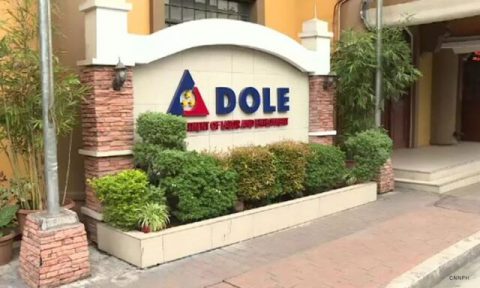
The AEP is indispensable for companies employing foreign nationals on a regular basis. The Department of Labor and Employment (DOLE) issues it after assessing company registration, labor market needs, and overall compliance.
Key Features:
- Valid for one to three years, aligned with the employment contract.
- Renewable if employment continues and conditions remain compliant.
- Employers must demonstrate genuine labor market scarcity.
- Positions must pass the Foreign Investments Negative List (FINL) restrictions.
- Applicants must undergo health, police, and document authentication checks.
Special Work Permit (SWP): Temporary and Flexible
The SWP accommodates short work engagements, such as consultancy, training, or urgent project needs, generally for less than six months.
Important Notes:
- Can be applied for when the foreign employee is on a tourist or other non-immigrant visa.
- Not convertible into longer-term employment permits.
- Cannot be extended beyond six months in total.
- Useful for employers needing quick, legal use of foreign expertise on limited projects.
Provisional Work Permit (PWP): Bridging Permit
The PWP ensures foreign nationals can start working immediately after arrival or upon application while waiting for the long-term AEP or work visa approval.
Highlights:
- Valid for three months; can be renewed once.
- Issued by the Bureau of Immigration (BI).
- Requires submission of pending AEP application acknowledgment or 9G/9D visa application status.
- Enables legal employment without visa overstay risk.
Eligibility and Compliance Requirements for Work Permits
Foreign employees and employers must jointly fulfill several criteria:
- Employers must be validly registered local entities with business permits, SEC or DTI registration, and tax compliance.
- Job positions must be necessary and not readily fulfillable by qualified Filipinos.
- Foreign workers must hold valid passports with proper visa status.
- All medical, police clearances, and government-required certificates must be current and authenticated.
- Certain professions require regulatory approval (PRC Special Temporary Permit).
- Compensation packages and employment contracts must comply with Philippine labor laws and regulations.
Employers report and update DOLE and BI if there are employment changes, disciplinary issues, or status updates.
How to Apply for Work Permits: A Step-by-Step Process
For foreigners beginning their work venture in the Philippines, here are the things you need to do to acquire a work permit.
Step 1: Employer Prepares Documentation
Employers gather business registration, employee contracts, company financial reports, and draft letters justifying the foreign hire with reference to local labor availability.
Step 2: File Application with DOLE (for AEP)
Submit forms and attachments to the DOLE regional office or central office. Expect notices of missing documents or clarifications, which must be addressed promptly.
Step 3: Pay Processing Fees
Government fees vary based on permit type and duration. Payment proofs must be submitted to DOLE and BI as required.
Step 4: Wait for Approval and Publication
AEP applications often require public posting in periodicals to allow objections from qualified Filipino job seekers.
Step 5: Apply for a Visa at BI
For long-term permits, submit an AEP with visa application forms to the BI. Short-term permits like PWP or SWP have streamlined BI processes.
Step 6: Receive Permit and Begin Employment
Upon approval, foreign employees receive the required permits and can begin or continue working legally.
Tips for Avoiding Common Pitfalls and Delays
- Start permit applications at least 2-3 months before employment start dates.
- Maintain meticulous document accuracy and timely responses to government queries.
- Regularly update employer registrations and relevant government documents.
- Disclose any changes (employment status, health, legal matters) promptly to authorities.
- Avoid work without permits or visas to prevent fines, deportation, or blacklisting.
Consequences of Non-Compliance
Working without valid permits or with revoked permits attracts strict penalties, including fines, deportation, and business sanctions against employers. Violations harm reputations and may threaten long-term residency or permit eligibility.
Exemptions from Work Permit Requirements
Certain foreigners are exempt, including:
- Foreign diplomats and their dependents.
- Officers or employees of foreign governments and consular personnel.
- Foreign principals of firms accredited by the Philippine Overseas Employment Administration (POEA).
- Foreign nationals on assignments for international organizations recognized by the Philippines.
- Those employed by companies whose headquarters are overseas and not considered locally employed.
Final Thoughts
Obtaining the correct work permit in the Philippines is a legal necessity and a strategic step for any foreign employee or employer. From the long-term AEP to the flexible SWP and bridging PWP, understanding their distinct roles, procedural requirements, and compliance standards is critical for a smooth employment journey. Early planning, accurate documentation, and professional support are indispensable tools for assuring success in this process.
Need Assistance With Work Permits?
Work Visa Philippines offers a full range of services covering AEP applications, work visa filings, permit renewals, and compliance monitoring. Our immigration experts ensure your foreign workforce accesses opportunities legally and hassle-free. Contact us today:
- Contact Us Here
- Fill Out the Form Below
- Call us at +63 (02) 8540-9623