Employing foreign nationals in the Philippines requires navigating a detailed and regulated visa process to ensure compliance with immigration laws. The work visa application is critical for enabling the lawful employment of skilled foreign workers and avoiding costly penalties for employers.
Whether you are sponsoring your first foreign employee or managing multiple work visa applications, understanding the step-by-step requirements will safeguard your operations while bringing international talent into your workforce.
What Is a Work Visa and Why Is It Important for Employers?
A work visa, typically the 9(G) Pre-arranged Work Visa, legally authorizes a foreign national to work in the Philippines for an employer-verified position. Unlike tourist or business visas, the work visa is tied to specific employment and must be obtained before a foreigner can lawfully perform paid activities.
For employers, securing work visas for employees mitigates risk, guarantees compliance with the Department of Labor and Employment (DOLE) and Bureau of Immigration (BI) regulations, and supports seamless human resource management. Failure to obtain the right visas can lead to fines, reputational damage, or prosecution.
Core Steps in the Work Visa Application Process for Employers
The work visa application process for employers in the Philippines involves a series of clearly defined steps to ensure compliance with immigration and labor regulations.
- Assess Eligibility and Prepare Requirements
Before applying, verify that the foreign employee’s job is eligible for hiring under the Foreign Investments Negative List (FINL) and the Foreign Investments Act. This ensures the sector or role permits foreign participation and aligns with labor market needs.
- Secure an Alien Employment Permit (AEP)
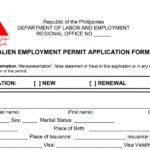
Obtaining the AEP from DOLE is mandatory before filing the work visa. The AEP confirms that the employer has advertised the position to Filipino workers and that the foreign national’s skills or expertise justify employment.
- Gather Supporting Documents
Key documents include:
- Company registration certificates (SEC or DTI),
- Updated General Information Sheet (GIS),
- Articles of incorporation,
- Latest tax returns and business permits,
- Notarized employment contract and company resolution or secretary’s certificate endorsing foreign hire,
- DOLE-approved job advertisement proof,
- Foreign employee’s personal identification and certifications.
- Submit the Work Visa Application to the Bureau of Immigration
With an approved AEP, files are prepared for submission to the BI. The filing must include the AEP, visa application forms, passports, contracts, and applicable fees.
- Monitor the Application and Respond to BI Queries
The BI conducts validation of documents, background checks, and may request interviews. Employers must promptly provide any additional papers or clarifications to avoid delays.
- Process Biometrics and Issue of ACR I-Card
Upon approval, employees will enrol for biometrics and medical clearances and receive the Alien Certificate of Registration Identity Card (ACR I-Card), a mandatory foreigner ID in the Philippines.
Detailed Employer Documentation Checklist
- Petition Letter to BI: Outlines the employment offer and justifies the need for a foreign worker.
- SEC Certificate of Registration and Articles of Incorporation.
- Board Resolution or Secretary’s Certificate: Authorizing the hire of the foreign employee.
- Employment Contract: Signed and notarized, detailing job description, compensation, and employment tenure.
- Proof of Publication: Newspaper clipping confirming public posting of the AEP application.
- DOLE-Approved Alien Employment Permit.
- Company Financial Statements: Tax returns, audited financial statements, or proof of capital.
- Foreign Employee’s Credentials: Passport, diplomas, licenses, police clearance, and medical certificates.
- BI Application Forms: Properly filled and signed.
Common Challenges Employers Face in Work Visa Applications
Employers sponsoring foreign workers in the Philippines frequently encounter several challenges during the work visa application process.
- Submission of incomplete or inconsistent documentation
- Delays in AEP approval due to inadequate job advertisement or ambiguous qualifications
- Misclassification of job roles resulting in objections or denials
- Non-compliance with foreign equity limits or business operations restrictions
- Employee overstaying or visa validity lapses affecting renewal processes
Proactive compliance, thorough paperwork review, and early filing can mitigate these issues.
Key Compliance and Legal Considerations for Employers
Employers hiring foreign nationals in the Philippines must adhere to a comprehensive set of legal and regulatory requirements designed to protect the rights of both foreign workers and Filipino employees, while ensuring compliance with immigration and labor laws.
- The AEP and work visa are strictly position-specific and employer-tied; any job or company changes require new permits.
- Non-Philippine residents must apply for a work visa before employment commencement; no work without a valid permit.
- Fair labor standards and wages must be met; DOLE audits can lead to fines and sanctions for violations.
- Employers must report to immigration any changes in employment status within prescribed timelines.
- Renewals must commence well before expiration to avoid blackout periods or penalties.
Processing Times and Fees
- AEP processing generally takes 2 to 3 weeks.
- Work visa applications at BI can take anywhere from 1 to 3 months, depending on the completeness and nature of the case.
- Processing fees vary depending on the visa duration and the number of dependents.
- Additional fees include BI biometrics, medical exams, and the ACR I-Card issuance.
- Plan early due to possible administrative backlogs.
Why Employers Should Seek Professional Assistance
Navigating the visa and permit maze is a complex process. Immigration professionals and legal consultants help employers:
- Assess eligibility and proper visa types,
- Prepare and authenticate documentation efficiently,
- Liaise with DOLE and BI to expedite processing,
- Manage renewals and compliance updates,
- Avoid costly mistakes and penalties.
Partnering with specialists reduces delays and enhances the onboarding experiences of foreign workers.
Final Thoughts
The work visa application process is a critical foundation for lawful foreign employment in the Philippines. Employers who understand regulatory requirements, document their efforts meticulously, and engage professional support are best positioned to secure smooth approvals and maintain sustainable employment relationships in this competitive labor market.
Need Expert Guidance for Your Work Visa Applications?
Work Visa Philippines offers comprehensive visa consulting and application management services for employers and foreign professionals. From AEP procurement to full visa processing, renewals, and compliance, we ensure your workforce grows legally and seamlessly. Contact us to schedule an initial consultation today:
- Contact Us Here
- Fill Out the Form Below
- Call us at +63 (02) 8540-9623