The Philippine economy continues to grow, attracting foreign professionals seeking employment opportunities within its multinational corporations, specialized industries, and consulting firms. Working legally in the country requires strict adherence to immigration and labor regulations that ensure compliance, protect local labor markets, and safeguard the rights of foreign employees.
Why Are Work Requirements Important for Foreigners?
Foreign nationals cannot simply get a job in the Philippines without proper legal authorization. The government requires foreigners to obtain specific permits and visas to:
- Guarantee that foreign workers are employed where local talent is insufficient or specialized skills are needed
- Ensure foreign nationals have lawful status, preventing unauthorized employment and overstays
- Protect the welfare and rights of foreign employees under Philippine labor laws
- Enable compliance with taxation and social security systems
- Maintain the integrity of the Philippine labor market and border control
Complying with these requirements benefits employers and employees alike, preventing costly penalties and legal risks.
Essential Work Permits and Visas for Foreign Workers
Foreign nationals seeking employment in the Philippines must secure specific work permits and visas that legally authorize their stay and professional activities.
9(G) Work Visa: The Long-Term Employment Visa
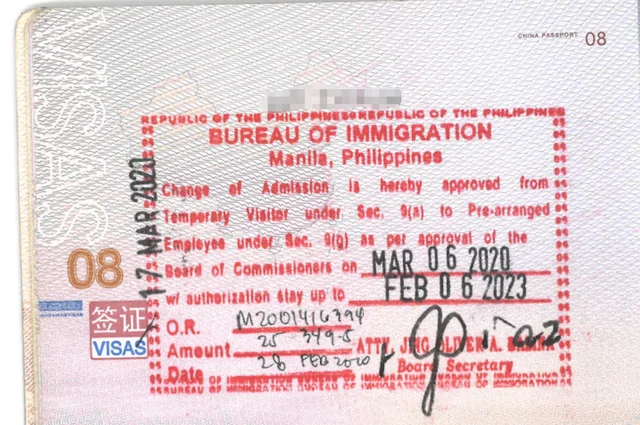
The 9(G) Pre-arranged Employment Visa is the standard visa allowing foreign nationals to live and work in the Philippines long-term. It is employer-specific and requires a valid Alien Employment Permit (AEP) before the worker can legally begin employment.
- Validity typically ranges from 1 to 3 years, renewable as per the employment contract.
- Requires employer sponsorship and adherence to labor market rules.
The AEP is an authorization from the Department of Labor and Employment (DOLE) certifying that the employer has sought Filipino talent and that the foreign national’s employment is warranted.
- Valid for one to five years, depending on contract length.
- Non-applicable to diplomatic personnel, certain treaty-covered nationals, and specific exemptions.
The SWP is a temporary permit for foreign professionals working on short-term projects, typically under six months in duration.
- It is not a long-term visa and does not grant residency rights.
- Common for consultants, artists, and temporary specialists.
Provisional Work Permit (PWP)
The PWP facilitates immediate lawful employment while the foreign national’s work visa or AEP application is being processed.
- Valid for three months, non-renewable.
- Helps bridge legal employment gaps during visa approval.
Employer Responsibilities in Hiring Foreigners
Employers must comply with a series of obligations to employ foreigners legally:
- Justification of hiring foreign nationals: Employers must prove via documented recruitment efforts that no qualified Filipino is available for the role.
- Obtaining the AEP: It is illegal to employ a foreign national without an approved AEP.
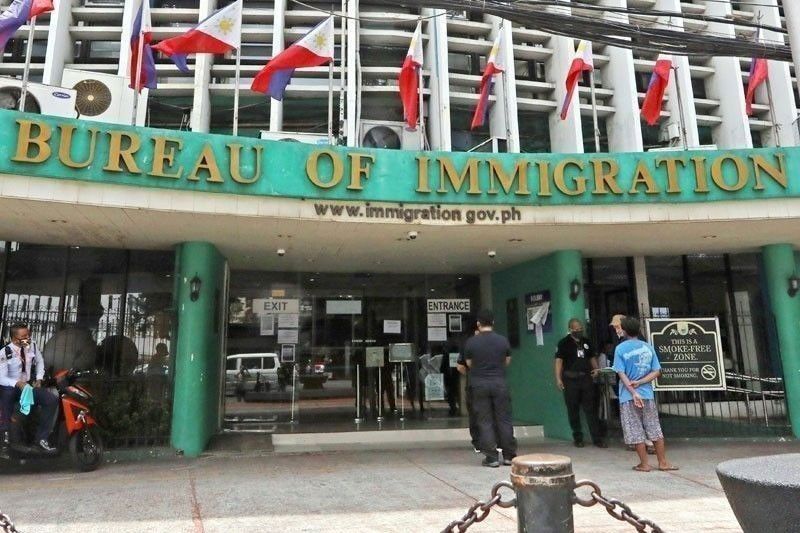
- Filing and sponsoring work visas: Employers must file visa applications through the Bureau of Immigration.
- Employment contracts: Must specify duties, compensation, duration, and other labor law requirements.
- Tax and social security registration: Employers must ensure foreign employees are properly registered for income tax withholding and social security programs.
- Notification of status changes: Any change in employment status or termination must be reported promptly to DOLE and BI.
- Compliance with labor standards: Wages, working conditions, and benefits must meet Philippine legal standards.
Non-compliance can result in fines, the revocation of employment permits, or blacklisting.
How to Legally Employ Foreign Workers
Employing foreign nationals in the Philippines involves a well-defined legal framework designed to balance the country’s labor market protection with its openness to specialized foreign skills. Employers must ensure strict compliance with immigration and labor laws by initiating and managing necessary permits and visas before foreign employees commence work.
- Assess Role Eligibility and Labor Market: Advertise jobs locally and document recruitment efforts to justify foreign hiring.
- Apply for Alien Employment Permit (AEP): Submit all required corporate documents and employee qualifications to DOLE.
- Secure Work Visa: With AEP approval, file a 9(G) visa application through Philippine immigration.
- Register Employee Taxes and Benefits: Help foreign hires obtain a TIN and enroll in the BIR and social security systems.
- Monitor Visa and Permit Renewals: Prepare for timely renewals to avoid penalties or work interruptions.
Common Challenges Foreign Employers and Workers Face
Hiring and employing foreign workers in the Philippines involves navigating a complex regulatory and administrative landscape. Foreign employers and employees often encounter challenges such as delays in the issuance or renewal of Alien Employment Permits (AEPs), difficulties in justifying the need to hire foreigners instead of qualified Filipino workers, and managing compliance with evolving labor and immigration policies.
- Delays or denials of AEP due to incomplete documentation or failure to justify foreign employment
- Handling objections from Filipino workers during the AEP recruitment posting
- Visa processing backlogs causing extended waiting periods before work can begin
- Employees working prior to securing the proper permits, risking fines and deportation
- Complex compliance with evolving immigration and labor regulations
Proactive documentation, professional legal assistance, and early planning mitigate these risks.
Taxation and Financial Compliance for Foreign Workers
Foreign nationals must register with the Bureau of Internal Revenue (BIR) and obtain Tax Identification Numbers (TINs) to support income tax withholding. Employers must fulfill withholding and remittance responsibilities, and foreign workers must comply with annual filing and reporting obligations. Proper tax compliance ensures legal status and avoids penalties.
Cultural and Practical Considerations for Foreign Employees
- English is widely spoken and the official language in business, facilitating effective communication.
- Familiarity with local labor customs, holidays, and social norms enhances integration.
- Health insurance, housing, and schooling for dependents should be planned in advance.
- Networking with local and expat communities eases adaptation.
Final Thoughts
Foreign professionals enrich the Philippine economy but require meticulous adherence to the country’s regulatory framework. Meeting all work requirements for foreigners safeguards lawful employment, enabling smoother career paths and business success.
Need Assistance with Work Permits and Visa Compliance?
Work Visa Philippines offers expert support to employers and foreign nationals navigating complex work permit and visa processes. From AEP applications to taxation and renewals, our team ensures compliance and peace of mind. Contact us today to schedule an initial consultation:
- Contact Us Here
- Fill Out the Form Below
- Call us at +63 (02) 8540-9623