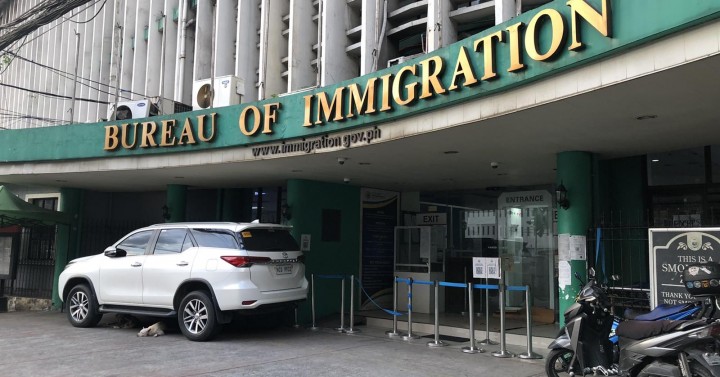
Navigating immigration requirements in the Philippines is essential for any foreign national planning to visit, work, study, or invest in the country. The Bureau of Immigration (BI) and Philippine embassies enforce a structured system of visas, clearances, and registrations that vary based on nationality, purpose of stay, and duration.
Whether you are entering visa‑free, applying for a 9(a) tourist extension, seeking a 9(g) work visa, or pursuing investor residency, understanding the core immigration requirements prevents overstay, blacklisting, and airport offloading.
Entry Requirements for All Foreign Nationals
All foreign nationals entering the Philippines must meet universal entry protocols, regardless of visa status or purpose of travel. The Philippine Immigration Act and BI Operations Orders mandate these minimum standards to ensure orderly border control.
- Passport validity: A passport valid for at least six months beyond the intended stay in the Philippines; expired or near‑expiry passports trigger denial of entry.
- eTravel registration: Pre‑travel online registration via the official eTravel system (etravel.gov.ph), which generates a QR code for immigration processing; failure to complete eTravel results in denial at the airport.
- Return or onward ticket: Proof of a confirmed return or onward journey to the next destination, unless you hold a long‑term visa or special exemption (e.g., Balikbayan program).
- Visa (if required): Nationals of visa‑free countries enter for 30 days automatically; visa‑required nationals must present a valid visa sticker in the passport before boarding.
These requirements are non‑negotiable and enforced at all major ports of entry, including NAIA, Mactan‑Cebu International Airport, and Clark International Airport.
Visa-Free Entry vs. Visa-Required Nationals
Philippine immigration requirements divide foreign nationals into visa‑free and visa‑required categories, based primarily on nationality and purpose of visit.
Visa‑free nationals (approximately 157 countries as of 2026) can enter for an initial 30‑day stay without a visa, provided they meet the universal entry requirements above. Common examples include the U.S., EU, UK, Australia, Canada, and most ASEAN nations.
Visa‑required nationals must obtain a 9(a) Temporary Visitor Visa (or another appropriate visa) from a Philippine embassy or consulate before travel. This applies to countries such as India, China (with exceptions for certain categories), Russia, Nigeria, Pakistan, and others not on the visa‑free list. The 9(a) visa requires proof of purpose (tourism, business, medical, etc.), financial capacity, accommodation, and a return ticket.
Both categories must complete eTravel registration and may be subject to secondary inspection if immigration officers suspect intent to overstay or work illegally.
Common Immigration Requirements for Tourist and Business Visitors
For short‑term visitors under the 9(a) Temporary Visitor Visa or visa‑free entry, the core immigration requirements focus on maintaining lawful status during the stay.
- Initial authorized stay: Visa‑free nationals receive 30 days; 9(a) visa holders get 59 days or more, depending on the consular issuance.
- Visa extensions: Foreign nationals staying beyond the initial period must file for extensions at the BI Main Office, regional BI offices, or via the BI e‑Services portal before expiry to avoid overstay penalties (PHP 500 per month or fraction thereof).
- ACR I-Card after 59 days: Foreign nationals staying more than 59 days must obtain an Alien Certificate of Registration Identity Card (ACR I‑Card), requiring personal appearance at a BI office for biometrics and fees.
- Annual Report (AR): Holders of long‑term visas or ACR I‑Cards must file the Annual Report between January 1 and March 1 each year to confirm continued lawful status.
Overstaying without extension triggers fines, potential blacklisting, and denial of future entry; BI enforces these strictly at departure immigration checkpoints.
Immigration Requirements for Work and Long-Term Stays
Foreign nationals planning to work in the Philippines face heightened immigration requirements beyond tourist rules, involving DOLE and BI coordination.
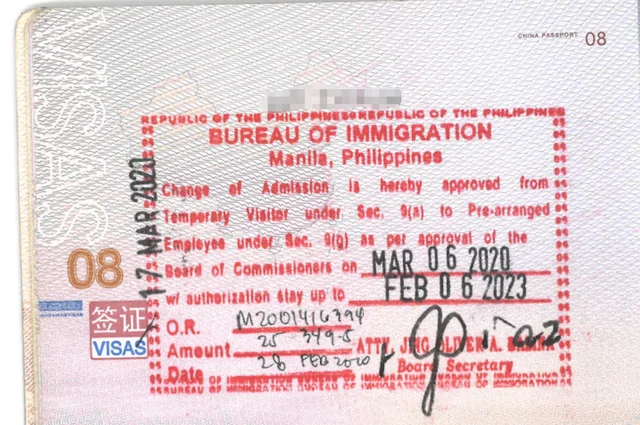
- 9(g) Pre‑Arranged Employment Visa: Requires a DOLE Alien Employment Permit (AEP) proving the role cannot be filled by a Filipino, followed by a BI 9(g) visa petition with employer sponsorship, employment contract, and clearances.
- PEZA/Economic Zone Visas: Foreign employees of accredited economic‑zone locators qualify for streamlined 47(a)(2) or Special Working Visas processed at zone one‑stop shops.
- Special Investor Resident Visa (SIRV): For investors committing USD 75,000 or more, endorsed by the Board of Investments (BOI).
- Special Resident Retiree’s Visa (SRRV): For retirees aged 50+ with pension or deposit requirements, issued by the Philippine Retirement Authority (PRA).
Work visa applicants must also secure medical clearances (BOQ Form 11), police clearances (home country and NBI), and BI Clearance Certificates, plus comply with ACR I‑Card and Annual Report rules.
Immigration Requirements for Dependents and Family
Family reunification under Philippine immigration requires specific visas for spouses and children of principal visa‑holders.
- 9(g) dependents: Spouses and unmarried children under 21 of 9(g) workers can be included via a CGAF for Inclusion to 9(g) Visa, requiring authenticated marriage/birth certificates and proof of financial support.
- SIRV/SRRV dependents: Family members qualify under the principal’s investment or pension, with similar documentation.
- 13(a) Immigrant Visa by Marriage: For foreign spouses of Filipino citizens, requiring proof of valid marriage and no derogatory records.
Dependents must also register for ACR I‑Cards if staying over 59 days and file Annual Reports.
Special Immigration Requirements: ACR I-Card and Annual Report
Foreign nationals staying more than 59 days trigger additional immigration requirements centered on the Alien Certificate of Registration Identity Card (ACR I‑Card) and the Annual Report (AR).
- ACR I-Card: A microchip‑enabled ID issued after biometric capture at a BI office; required for all long‑stay foreigners aged 11+, valid for one year and renewable.
- Annual Report: Mandatory filing from January 1 to March 1 each year, confirming lawful status; exemptions apply to seniors and PWDs via representatives.
- Emigration Clearance Certificate (ECC): Required before departure after six months or more of stay, proving no outstanding immigration obligations.
Non‑compliance with ACR and AR rules can lead to visa cancellation, fines, and blacklisting.
Final Thoughts
Mastering immigration requirements in the Philippines is non‑negotiable for foreign nationals, from universal entry protocols (six‑month passport, eTravel, return ticket) to visa‑specific rules (9(a) extensions, 9(g) work visas, ACR I‑Cards, Annual Reports). Whether visa‑free for 30 days or pursuing long‑term work/investment, compliance prevents overstay, fines, and blacklisting.
How Work Visa Philippines Manages Immigration Requirements
The complexity of Philippine immigration requirements—from eTravel and visa extensions to ACR I‑Cards, AEPs, 9(g) visas, and Annual Reports—demands expert guidance. Work Visa Philippines provides comprehensive support, including:
- Pre-entry compliance: Ensuring passports, eTravel, and visas meet entry standards; assisting with 9(a) or work visa applications at embassies.
- Extensions and ACR I-Cards: Handling tourist extensions, biometrics, and long‑stay registrations at BI offices or via e‑Services.
- Work and investor visas: Coordinating AEPs, 9(g), SIRV, SRRV, and economic zone visas with DOLE, BOI, and BI.
- Ongoing compliance: Managing Annual Reports, ECCs, and renewals to prevent lapses.
Work Visa Philippines ensures seamless navigation of immigration requirements for stays of any duration.
Planning to visit, work, or invest in the Philippines? Reach out to our specialists today:
- Contact Us Here
- Fill Out the Form Below
- Call us at +63 (02) 8540-9623