You need a Philippine visa because your passport alone does not automatically give you the right to enter, stay, work, or live long-term in the country. Even when you qualify for visa-free entry, the Philippines still limits how long you can stay and what activities you can do, so the visa or entry privilege must match your real purpose.
The main point is simple: the Philippine visa system is how the government controls who can enter, how long they can stay, and whether they are allowed to work, invest, study, or settle in the country. If your plans go beyond tourism, the visa question becomes a legal requirement, not just a travel detail.
What a Philippine Visa Does
A Philippine visa is an official permission placed in your passport or issued electronically that allows you to enter the country for a specific purpose and period of stay. It tells immigration officers whether you are coming as a tourist, business visitor, worker, student, investor, retiree, or immigrant.
The visa also sets conditions. A temporary visitor visa, for example, may allow entry for tourism or business, but it does not automatically allow local employment. A work visa, on the other hand, is tied to labor and immigration approvals that authorize you to take up employment in the Philippines.
When Visa-Free Entry Is Not Enough
Some foreigners can enter the Philippines without a visa for short stays, usually for up to 30 days, if they meet the entry conditions. These conditions commonly include a passport valid for at least six months, a return or onward ticket, and proof that the traveler is not subject to a blacklist or deportation order.
That visa-free privilege is useful, but it is limited. If you want to stay longer than the allowed period, work, change your status, or enter under a more specific category, you need the proper Philippine visa or extension process. For many expats, this is the first time they discover that “I can enter” is not the same as “I can stay and work.”
Why Expats Need the Right Visa
Expats need a Philippine visa because their situation usually involves more than a short holiday. They may be moving for a job, opening a company, joining a spouse, retiring, studying, or managing a regional business role, and each of those purposes has its own immigration route.
Without the right visa, a foreign national may face overstay penalties, denied extensions, or problems when trying to switch to a different status later. For example, a business visitor can attend meetings, but if that person begins doing paid work in the Philippines, a proper work-authorized status is required.
Common Visa Categories
The Philippines uses several visa categories, and the right one depends on your reason for coming. This is why asking “Why do you need a Philippine visa?” is really about asking what you plan to do in the country.
Common categories include:
- 9(a) Temporary Visitor Visa for tourism, business visits, and other temporary stays.
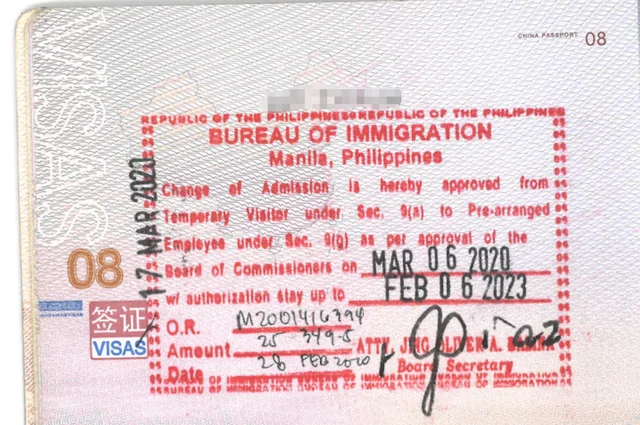
- 9(g) Pre-Arranged Employment Visa for foreign nationals who will work for a Philippine employer.
- Student visas for foreign nationals enrolled in approved schools.
- Investor and special resident visas for foreign nationals who invest, retire, or qualify through special routes.
- Immigrant visas, such as 13(a) for spouses of Filipino citizens and other long-term residence categories.
Each category exists because the government wants the foreigner’s legal status to match the real activity in the Philippines.
Work, Business, and Investment
The need for a Philippine visa becomes especially important once the purpose is work, business, or investment. These are not interchangeable. A short business trip can often be handled under a temporary visitor visa, but long-term employment usually requires a 9(g) work visa and, in many cases, an Alien Employment Permit.
Investors may qualify for special resident or investor-based routes, depending on the type and amount of investment. In some cases, a foreign investor may use a special resident visa rather than a standard work visa if the stay is tied to an eligible investment structure. That is why it is important to choose the visa based on the actual role, not just the job title or personal preference.
Longer Stays and Residence
If you plan to remain in the Philippines for more than a short visit, you need a visa that supports long-term stay. The country offers several long-stay or residence-linked options, including immigrant visas, retirement visas, and investor visas.
Foreign nationals married to Filipinos may qualify for an immigrant visa such as 13(a), while former Filipino citizens and certain family members may have other residence rights under the law. Retirees may look at the Special Resident Retiree’s Visa, and investors may consider the Special Investor’s Resident Visa, depending on whether they meet the requirements.
How Visa Rules Affect Daily Life
A Philippine visa does more than get you through immigration. It affects banking, extensions, employment, and even the documents you may need to carry for official transactions. Many foreign nationals need an Alien Certificate of Registration Identity Card once they cross the relevant stay threshold or obtain the right visa category.
If you are an employee, your visa status may need to stay aligned with your employer, your job title, and the permit that supports your work. If you are a visitor, overstaying beyond the allowed period can create problems that are more expensive and time-consuming to fix than filing on time in the first place.
What Happens If You Ignore the Visa Requirement
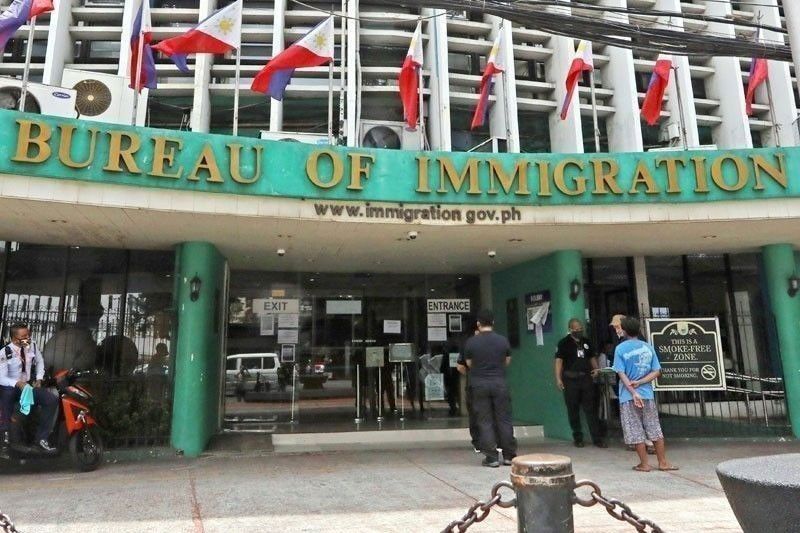
Ignoring visa rules can lead to fines, overstaying status, and future immigration problems. The Bureau of Immigration and Philippine consulates are clear that valid travel documents, correct visa type, and complete paperwork are required for lawful entry and stay.
In more serious cases, a foreign national may be denied entry if they are blacklisted, deported before, or carrying incomplete documentation. If they are already in the country, they may need to downgrade, extend, or regularize their status before leaving or changing to another visa category.
Documents Usually Required
Most Philippine visa applications require a passport valid for at least six months beyond the intended stay, application forms, photos, proof of purpose, and return or onward tickets. For business travelers, proof of bona fide business status such as a company letter or bank statement may also be needed.
For work and long-term residence visas, the requirements become more detailed and may include employment contracts, corporate registration papers, and other supporting records. Some visa categories also require health checks, clearance documents, or authenticated civil records, depending on the applicant’s profile.
Why the Right Visa Saves Time
Choosing the right visa upfront saves time because it prevents re-filing, delays, and status problems later. A person who enters the correct category is less likely to run into issues when extending stay, applying for an ACR I-Card, or processing a work permit.
It also saves money. Correct filing usually costs less than fixing an overstayed or misclassified case, especially when you factor in penalties, rush fees, and additional document work. For expats, that is one of the strongest practical reasons to understand the visa rules before moving.
Key Takeaways
You need a Philippine visa because the country requires foreign nationals to match their entry and stay with a legal category that fits their actual purpose. Visa-free entry may help with short tourism or business visits, but it does not replace the need for the correct status when you plan to work, invest, settle, or stay longer.
Reach Out For Expert Assistance
For expats, the safest approach is to choose the visa before travel, not after arrival, and to keep all documents aligned with the purpose of stay. Work Visa Philippines helps foreign nationals and employers determine the right visa path so their move to the Philippines stays legal, smooth, and efficient from the beginning.
Whether the goal is work, business, family reunification, retirement, or investment, the visa must match the purpose from the start. That is the foundation of compliance and the easiest way to avoid unnecessary immigration problems. Contact us today for an initial consultation:
- Contact Us Here
- Fill Out the Form Below
- Call us at +63 (02) 8540-9623