A global dataset check is a background screening process that looks across international records to help employers spot risks before hiring or partnering with a foreign national. For workvisaphilippines.com, this matters because many foreign workers, executives, and business owners enter the Philippines with cross-border histories that may not appear in a local-only screening.
When used properly, a global dataset check can support safer hiring, smoother visa processing, and better compliance with Philippine labor and immigration rules. It is not a visa requirement by itself, but it can help companies avoid problems involving misrepresentation, prior offenses, sanctions, or other derogatory records that may affect employment and immigration outcomes.
What a Global Dataset Check Is
A global dataset check is also described as a global database check or international data verification. It cross-references information from different countries and regions, often including criminal records, sanctions lists, watchlists, and other public or authorized databases.
The purpose is to build a broader picture of a person’s personal, professional, and legal background than a local check alone can provide. This is especially useful when the candidate has lived, worked, studied, or registered businesses in more than one country.
Why Employers Use It
Employers use a global dataset check because hiring foreign talent can involve more risk than hiring a locally known candidate. A person may have worked under multiple identities, changed countries often, or have records that are difficult to detect with local screening alone.
For businesses in the Philippines, the check can help with reputation protection, fraud prevention, and internal compliance. It can also support safer decision-making when evaluating foreign executives, specialists, investors, and other internationally mobile workers.
What It Usually Covers
A proper global dataset check usually examines several core areas, depending on the provider and the employer’s risk tolerance. These categories are commonly screened because they are the most useful in cross-border hiring and due diligence.
- Global watchlists: These can include sanctions lists, red notices, and other international watchlists tied to security or financial risk.
- Criminal records: This involves checking for convictions or offenses that may appear in local, national, or international databases.
- Financial crime or AML-related concerns: Some screening processes look for links to fraud, money laundering, or similar concerns where such data is lawfully accessible.
- Adverse media: Some providers also review public reporting that may indicate serious concerns relevant to hiring or partnering.
These checks should be treated as risk indicators, not automatic proof of wrongdoing. Any potential match should be verified carefully before a hiring decision is made.
How It Helps Visa Compliance
For foreign workers in the Philippines, a background screening can support the visa process even when it is not formally required. DOLE may deny or cancel an Alien Employment Permit if a foreign national has misrepresented facts, submitted falsified documents, been convicted of a crime in the Philippines or abroad, or has a serious misconduct record.
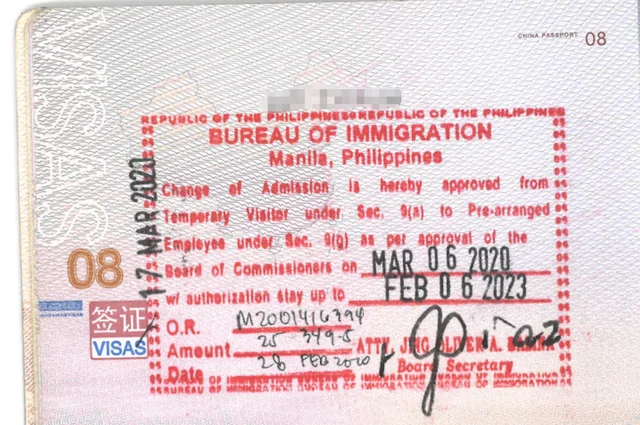
BI and DOLE also share information to verify foreign worker applications and protect the integrity of work visa processing. That makes document accuracy and background consistency especially important for 9(g) work visa applicants and their employers.
In practice, a global dataset check can help an employer spot a problem before submitting an AEP or visa filing. It is a preventive tool that supports compliance, rather than a substitute for the legal work authorization process itself.
How the Process Works
The screening process usually begins by defining the search scope and identifying the relevant databases. The provider then uses the candidate’s identifying details, such as full name and date of birth, to search the selected records.
If there are possible matches, the provider reviews them carefully to determine whether they refer to the same person. This verification step matters because global databases can return false positives when names are common or when data is incomplete.
A useful global dataset check should also explain what databases were searched and how the results were reviewed. That transparency helps the employer understand the quality and limits of the screening.
Limitations to Know
A global dataset check is powerful, but it is not perfect. Coverage depends on the countries, databases, and data-sharing systems available to the provider.
Some countries have better digitized records than others, which means a clean result does not guarantee that no issue exists anywhere in the world. Likewise, an adverse result does not always mean there is a true problem, because name matches and outdated records can cause mistakes.
For that reason, a global dataset check should be part of a broader due diligence process that also includes identity verification, document review, employment history checks, and, where needed, legal or immigration review.
Best Use Cases
Global dataset checks are most useful when the person being screened has an international profile. That includes foreign executives, expats, remote workers, investors, board members, and contractors who have lived or worked across borders.
They are also useful for companies that are hiring for sensitive positions involving finance, access to company funds, immigration sponsorship, or client trust. In these cases, the check can reduce the chance of hiring someone whose background could later create legal or reputational trouble.
How Employers Should Use It
Employers should treat a global dataset check as one layer in a structured hiring workflow. It works best when used early, before the company commits to an employment contract, visa application, or relocation expense.
A practical workflow may include collecting consent, confirming the candidate’s identity, running the global screening, reviewing any flagged items, and then deciding whether to proceed. If the candidate will work in the Philippines, the company should then align the result with the correct visa and AEP strategy.
Why This Matters for Your Work Visa in the Philippines
The importance of a global dataset check is simple: foreign hiring should be legally clean before the visa filing even begins. A screening process that finds problems early can save time, reduce filing errors, and protect both employer and employee from avoidable complications.
This is especially relevant for employers sponsoring foreign workers for a 9(g) visa or coordinating with DOLE and BI on employment authorizations. A clean, well-documented candidate file gives the visa process a much better chance of moving smoothly.
Wrapping Up
A global dataset check is not just a background check with a bigger name. It is a cross-border screening tool that helps employers identify risks that may affect hiring, immigration, and company reputation.
For Philippine employers and foreign professionals, the real value is prevention. When used properly, it can support better hiring decisions, cleaner visa filings, and stronger compliance with Philippine work authorization rules.
Reach Out to Experts
Work Visa Philippines helps employers and foreign nationals connect screening, employment, and immigration into one compliant process. Contact our team of specialists to assist in your journey:
- Contact Us Here
- Fill Out the Form Below
- Call us at +63 (02) 8540-9623