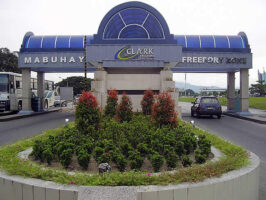
Starting a business in Clark Freeport Zone is attractive for foreign investors because the area combines economic-zone incentives, strong infrastructure, and a strategic location in Central Luzon. For companies linked to workvisaphilippines.com, Clark is especially relevant because it can support both business expansion and the visa planning that foreign owners, executives, and specialists need to stay compliant in the Philippines.
Clark is not just a single industrial park; it includes the Clark Freeport Zone and nearby New Clark City, both of which are being developed as major business, logistics, and investment hubs under the BCDA and CDC framework. That makes it one of the most important locations in the country for foreign-owned enterprises looking for a high-potential operating base.
Why Clark Attracts Investors
The main reason companies choose to set up a business in Clark Freeport Zone is the combination of location and policy advantages. Clark sits in Central Luzon and has long been positioned as a hub for aviation, logistics, industry, tourism, education, and commercial activity.
Investors are drawn to the zone because it is managed as a special economic area, which can mean more streamlined processes and business support compared with a typical local city setup. Clark also benefits from modern infrastructure, including roads, utilities, telecommunications, and airport access, which makes it suitable for companies that depend on mobility, supply chains, and skilled talent.
For foreign entrepreneurs, the attraction is not only operational efficiency but also predictability. A location like Clark can be easier to plan around because registered locators are working inside a defined economic framework with clear business rules and investment pathways.
Clark Freeport and New Clark City
Clark Freeport Zone and New Clark City are related but not identical, and that distinction matters when planning a business in Clark Freeport Zone. Clark Freeport Zone is the established freeport and special economic zone managed by the Clark Development Corporation, while New Clark City is a developing master-planned district under the BCDA with different land-use and growth priorities.
New Clark City is being designed as a sustainable, future-oriented urban center with mixed-use developments, government facilities, residential zones, and business districts. It is also positioned to support logistics, light manufacturing, sports, conventions, and innovation-related uses.
For investors, this means the “Clark” opportunity is broader than one address or one building. A company may choose traditional Clark Freeport Zone facilities for a more established operating environment or look at New Clark City for newer development opportunities, depending on its business model.
Industries That Fit Clark
Clark is attractive to a wide range of businesses, but some industries benefit more directly from the zone’s infrastructure and investment structure. These include BPO, IT services, logistics, manufacturing, aviation-related activities, and light industrial operations.
The zone is also a strong fit for companies that need a reliable base for regional operations because of its airport access and strategic position near Metro Manila and other Central Luzon markets. In practice, that makes Clark appealing to firms that want to serve domestic customers, export products, or manage regional service delivery from one location.
Not every business will need a Clark address, but for firms that value scale, transport access, and a controlled business environment, Clark often compares favorably with other Philippine business hubs. This is especially true for foreign-owned companies that want a cleaner setup path and more structured support.
Registration and Location Requirements
A key rule for setting up a business in Clark Freeport Zone is that the company must secure an actual physical location within the zone or the relevant development area. In many cases, leasing office, warehouse, or industrial space is part of the business registration process because locators are expected to operate from an approved site.
Typical registration steps include selecting the correct business structure, preparing incorporation documents, applying with the CDC or BCDA-related authority, and completing SEC and BIR registration where applicable. Businesses may also need local permits, tax registrations, and sector-specific licenses depending on the nature of the operation.
The paperwork can vary by industry, but investors should expect to present a business plan, corporate documents, identification papers, lease proof, and any technical or environmental permits relevant to the activity. This is why many foreign investors use professional support when entering Clark: the zone is business-friendly, but the process still requires precision.
Incentives and Business Advantages
One of the strongest reasons to establish a business in Clark Freeport Zone is the potential access to fiscal and non-fiscal incentives. Companies registered in Clark may benefit from tax holidays or enhanced deductions, depending on the applicable rules and the incentive regime under which they qualify.
The zone is also known for duty-free or reduced-cost treatment for certain imported raw materials, equipment, and other operational needs, which can lower startup and production costs. On top of that, the CDC’s one-stop or streamlined approach to permits and compliance can reduce administrative friction for locators.
These advantages matter because they do more than lower expenses; they improve planning certainty. A foreign investor who understands the incentive structure can choose a site, budget more accurately, and structure operations in a way that supports long-term growth.
Foreign Ownership and Visa Issues
Foreign ownership rules still apply when a company operates in Clark, so investors must make sure the business activity is legally open to foreign participation. Clark’s incentives do not override national rules on ownership limits, sector restrictions, or foreign investment registration requirements.
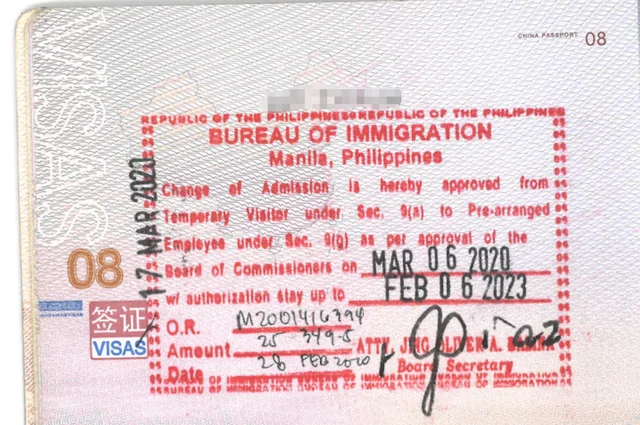
This is where visa planning also becomes important. A foreign founder or executive who will work on the ground in Clark may need a visa that matches the role, such as a 9(g) work visa supported by the appropriate employment authorization, rather than a short-term visitor or business visa. Simply owning a company does not automatically give someone the right to perform local work, supervise staff, or manage operations inside the Philippines.
For workvisaphilippines.com, Clark is a good example of why corporate setup and immigration setup should be handled together. The business may qualify for registration, but the foreign individual behind it still needs the correct legal pathway to enter, stay, and work lawfully.
Practical Steps Before You Start
Before launching a business in Clark Freeport Zone, foreign investors should treat the setup as a multi‑step project that includes both corporate registration and immigration planning. Skipping any of these steps can delay operations or create compliance problems later on.
- Clarify the business model and target sector. Decide whether the business will focus on BPO, IT, manufacturing, logistics, trading, or a service sector. This choice affects the permits, zoning, and technical requirements you will face under Clark and CDC rules.
- Confirm foreign ownership limits and incentives. Check whether the chosen activity is fully or partially open to foreign equity, and whether it qualifies for existing Clark Freeport or national investment incentives (such as tax holidays or duty‑free importation of equipment).
- Choose between Clark Freeport Zone and New Clark City. Clark Freeport is better suited for established industrial, BPO, and logistics operations, while New Clark City may be more attractive for newer, mixed‑use or lifestyle‑integrated projects. Align your site decision with your long‑term growth plan.
- Secure a physical location early. In many cases, you must have a lease or facility within Clark (e.g., office, warehouse, or industrial lot) before CDC or BOC registration can proceed. Begin negotiations early to avoid last‑minute slips in the timetable.
- Prepare the required corporate and technical documents. This includes Articles of Incorporation, bylaws, shareholder details, ID copies, lease agreements, business plan, and any technical or environmental clearances specific to the industry. Missing or inconsistent paperwork is one of the main reasons for delays.
- Define visa and work-permit needs for foreign staff. Decide which roles will be held by foreign nationals (owners, executives, specialists) and whether they need 9(g) work visas, Alien Employment Permits, or other long‑term residence options, not just business‑visitor visas.
- Engage local support for registration and compliance. Professional services can help coordinate SEC, BIR, LGU, and CDC registration, as well as later immigration and labor‑law compliance, which is especially valuable for foreign investors unfamiliar with the system.
By completing these steps before signing the first lease or incorporating the company, foreign investors can enter the Clark Freeport Zone with a clear roadmap for both business operation and legal stay in the Philippines.
Final Thoughts
A business in Clark Freeport Zone can give foreign investors access to a highly strategic location, a supportive economic zone framework, and opportunities across logistics, BPO, manufacturing, and service industries. New Clark City expands that opportunity further with long-term development plans and a growing commercial landscape.
The key is to treat Clark as both a business opportunity and a compliance exercise. Investors need the right corporate structure, the right permits, and the right visa strategy if they plan to work or manage the business in the Philippines.
Reach Out to Experts
Work Visa Philippines helps foreign investors and business owners align their Clark expansion with the correct immigration route so they can operate legally and confidently from day one.
Contact our team of specialists to schedule an initial consultation:
- Contact Us Here
- Fill Out the Form Below
- Call us at +63 (02) 8540-9623