For foreign entrepreneurs, the prospect of starting a business in the Philippines as a foreigner is attractive: a growing middle class, a large English‑speaking workforce, and a regulatory framework that now allows 100% foreign ownership in many sectors. At the same time, the process is not automatic; it requires careful planning around ownership rules, capital, registration, and, critically, the correct visa and work authorization for the owner or manager who will be in the country.
For workvisaphilippines.com, the key insight is this: building a legal, sustainable business means matching the corporate structure with the right immigration status from day one. A foreigner can indeed start a business in the Philippines, but whether that person can also live and manage it there depends on the visa pathway chosen.
Before You Start: Know the Rules
The first step to start a business in the Philippines as a foreigner is to understand the legal boundaries, not just the business idea. Philippine law divides industries into those that are fully open to foreign ownership, those that are partially open under the 60‑40 rule, and those that are reserved for Filipinos only.
Foreign investors must check where their chosen activity sits in this framework, usually by reviewing the Foreign Investment Negative List (FINL) and any recent amendments to the Foreign Investments Act and other liberalization laws. Attempting to enter a restricted sector without a Filipino majority or the proper structure can block registration or create compliance problems later.
Common Business Structures for Foreigners
Once the sector is confirmed as open, the next decision is which business structure fits the plan. The most common routes for foreigners are:
- Domestic corporation: a separate Philippine‑incorporated company that can be 100% foreign‑owned if the activity is not restricted.
- Branch office: an extension of a foreign parent company, used when the owner wants to keep the business tightly linked to the overseas entity.
- Representative office or liaison office: limited in what it can do commercially, often used for coordination, market research, or pre‑investment setup.
- Subsidiary vs. branch: some investors choose to incubate the Philippine business as a subsidiary for more local control, while others keep it as a branch for tax and brand simplification.
Each of these options has different capital, registration, and visa implications, so the structure must be chosen in coordination with your long‑term plan for residence and work in the Philippines.
Capital and Ownership Requirements
A major part of the requirement to start a business in the Philippines as a foreigner is the capital threshold, which depends on the type of enterprise and ownership level.
For many export‑oriented businesses, the law allows 100% foreign ownership with a very low paid‑up capital, sometimes as low as about USD 100 or PHP 5,000, as long as the company meets the “export‑oriented” test (e.g., exporting at least 60% of output).
For domestic‑market enterprises with more than 40% foreign ownership, the general floor is USD 200,000 in paid‑up capital, which can sometimes be reduced to USD 100,000 if the business uses advanced technology or employs a certain number of Filipino workers. Retail and certain other sectors have their own higher capital rules, so investors must check the specific requirements for their industry.
Step-by-Step Registration Process
Starting a business in the Philippines as a foreigner follows a clear, if somewhat bureaucratic, registration path. The exact steps may vary by city and by structure, but the core sequence is usually the same.
Typical steps include:
- Reserving a business name with the SEC (for corporations) or the DTI (for sole proprietorships/branch offices).
- Incorporating or registering the entity, including filing Articles of Incorporation, bylaws, and shareholder information.
- Registering with the Bureau of Internal Revenue (BIR) for a corporate TIN, receipts, and invoices, plus national tax obligations.
- Securing a local business permit and paying municipal or city taxes.
- Registering with SSS, PhilHealth, and Pag‑IBIG once the company begins hiring employees.
Each of these steps ties into the broader need to show the business is real and active, which becomes important if the owner wants to live in or work for the company in the Philippines.
Visa and Residency Pathways
A foreigner can start a business in the Philippines without immediately living in the country, but once the owner wants to manage operations, visit frequently, or hire staff, immigration status becomes central. Ordinary business‑visit visas are not enough for day‑to‑day management or active employment.
Common options for an owner or executive include:
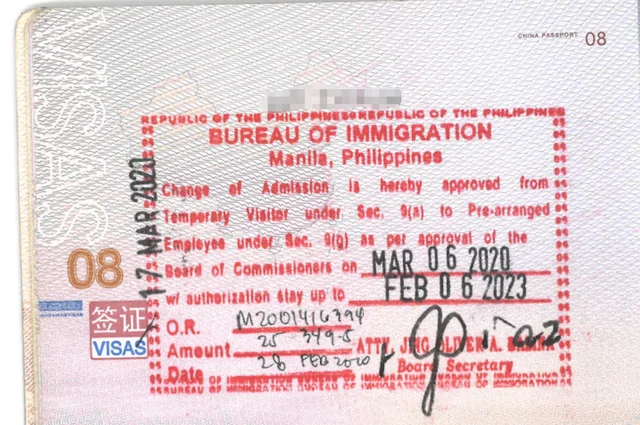
- 9(g) work visa with AEP: for foreign nationals employed by a Philippine‑registered company, this is the standard route.
- Special Investor’s Resident Visa (SIRV): for those investing a significant amount in approved sectors, this visa can grant long‑term or indefinite residency tied to the investment.
- Special Visas (e.g., SVEG‑type routes): some visas reward foreigners who generate local employment or support priority projects, offering residency in exchange for clear economic benefits.
The critical point is that starting a business does not automatically grant the right to work in the Philippines. The owner must still fit into one of these visa categories if they intend to be actively involved in the business on the ground.
Practical Tips for Foreign Entrepreneurs
Starting a business in the Philippines as a foreigner works best when the owner thinks like a local‑compliance partner, not just an overseas investor. That means planning for permits, taxes, payroll rules, and reporting, not just the initial incorporation.
Helpful practices include:
- Choosing a clear, non‑restricted sector and confirming it in writing with legal counsel.
- Budgeting for the required capital and understanding that “low‑cost” structures still demand real funding and compliance.
- Getting local professional support for registration, tax, and labor‑law issues, especially in the first 12 months.
- Aligning the business setup plan with the visa pathway early, so the company can be ready to sponsor the AEP or work visa once the owner is in the country.
Foreign entrepreneurs who do this tend to avoid the classic mistakes: under‑capitalizing, under‑reporting, and assuming that a business‑visitor visa is enough to run the company.
Final Insights
Starting a business in the Philippines as a foreigner is fully possible, and reforms over the past years have made many sectors more accessible to 100% foreign ownership with reasonable capital requirements. At the same time, the ownership privilege does not replace the need for a correct visa and work‑permit pathway for any foreigner who wants to be hands-on in the business.
Is Assistance Available?
Yes. Work Visa Philippines helps foreign entrepreneurs match their business setup plan with the right visa and immigration strategy, so the company is legal, the owner is compliant, and the long‑term stay is secure.
Reach out to our experts to guide you in starting a business in the Philippines as a foreigner:
- Contact Us Here
- Fill Out the Form Below
- Call us at +63 (02) 8540-9623