The 9d trader visa is a Philippine non-immigrant visa for foreign nationals who qualify as treaty traders or treaty investors under an existing treaty of commerce and navigation. This visa can support foreign business owners, executives, and certain employees who are entering the Philippines to manage treaty-based trade or investment activities.
The 9D visa is not a general business visa for every foreign entrepreneur. It is limited to nationals of treaty countries and to applicants who can show that their trade or investment activity meets the treaty requirements and the Philippine immigration rules.
What The 9D Visa Is
The 9D visa is the immigration category used for treaty traders and treaty investors. A treaty trader is a foreign national of the United States, Japan, or Germany who is entering the Philippines solely to carry on trade or commerce under an existing treaty of commerce and navigation.
A treaty investor is a foreign national who seeks admission to develop and direct the operations of an enterprise in the Philippines where the investor, or the investor’s employer, has invested or is actively in the process of investing a substantial amount of capital. This makes the 9D visa a business-linked visa with a specific treaty basis, not a generic work or investment permit.
Who Can Apply
The 9D visa is available only to nationals of treaty countries recognized under the Philippine treaty trader framework. Based on the Bureau of Immigration and Department of Foreign Affairs guidance, the core treaty trader countries include the United States, Japan, and Germany.
For treaty investors, the applicant must be entering the Philippines to develop and direct the operations of a qualifying enterprise and must be able to show the required substantial capital investment or active investment process. The spouse and unmarried children under 21 may also qualify as dependents of the principal holder.
Treaty Trader Versus Treaty Investor
The law distinguishes between a treaty trader and a treaty investor, and that distinction affects the evidence that must be submitted. A treaty trader is focused on carrying on trade or commerce between the Philippines and the trader’s treaty country.
A treaty investor, on the other hand, is focused on developing and directing a business enterprise in the Philippines. The investor must show either direct investment or active investment in process, and the enterprise must be substantial enough to fit the treaty framework.
Why The Visa Exists
The 9D visa exists to support commerce and investment between the Philippines and treaty partner countries. It is meant to make it easier for qualifying traders and investors to operate in the Philippines while still keeping the process tied to treaty rights and Philippine immigration rules.
For employers and investors, that means the visa can be useful when the business relationship is rooted in substantial trade or treaty-based investment. It is not meant to replace all other business or work authorizations, especially where labor compliance is also required.
What The Applicant Must Show
The applicant must show more than just a desire to do business. For a treaty trader, the foreign national must demonstrate the nature, volume, extent, and amount involved in the trade.
For a treaty investor, the applicant must show the name and nature of the enterprise to be developed or directed and the amount invested or to be invested. For an employee of a qualifying enterprise, the application must explain whether the position is supervisory or executive, or one requiring special qualifications, and must state the employer’s name and address, duration of employment, compensation and benefits, and duties.
Required Documents
The 9D process requires detailed supporting documents, and the exact checklist may vary depending on the consular post or Bureau of Immigration office handling the case. The application is document-heavy because the government must verify both treaty eligibility and the business basis for the visa.
Typical requirements include:
- A completed visa application form.
- A passport valid for at least six months beyond the intended stay.
- A recent photograph.
- A medical certificate and supporting laboratory reports, if required by the filing post.
- Police clearance, properly authenticated when required.
- A letter from the employer or sponsor in the Philippines describing the trade or investment activity.
- Proof of relationship for dependents, such as a marriage certificate or birth certificate.
For the enterprise itself, the filing may also require corporate registration documents such as SEC certificates, articles of incorporation, or business name registrations, depending on the business structure.
Application Process
The application process begins with a sponsor or petitioner in the Philippines filing the request for the 9D visa. In the Bureau of Immigration’s procedure, the sponsor files a petition with BI, and the Consulate issues the visa only upon prior authorization from the Department of Foreign Affairs in Manila.
After the application is accepted, the applicant may be scheduled for an interview or hearing, depending on the office and the type of filing. Once the visa is approved, the applicant submits the passport for visa implementation.
Where The Filing Happens
Filing can happen through the Philippine embassy or Consulate abroad, or through the Bureau of Immigration in the Philippines, depending on the applicant’s location and the stage of the case. The Bureau of Immigration’s 9D page indicates that applicants may submit documents for pre-screening to the Central Receiving Unit or another authorized immigration office.
This means the process is not always identical for every case. Some applicants start abroad through the consular route, while others may work with a Philippine sponsor and BI for the local processing side.
Validity And Renewal
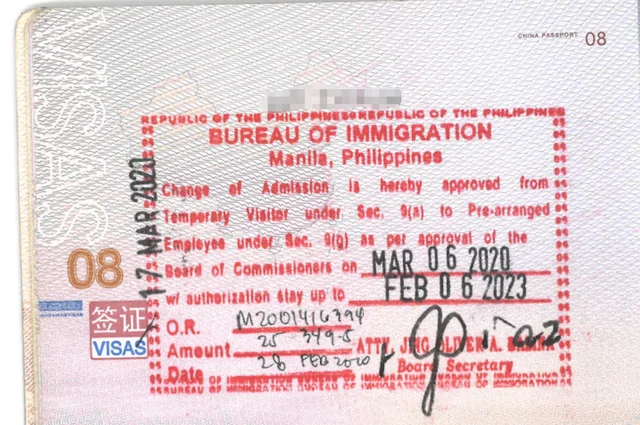
The 9D visa is generally issued for one year and may be renewed, subject to approval by the Bureau of Immigration. The visa validity for dependents is usually aligned with the principal applicant’s visa.
Because the visa is tied to the treaty trader or treaty investor relationship, it should be monitored carefully for expiration and renewal deadlines. If the underlying business activity changes significantly, the visa strategy may need to be reviewed as well.
Dependents
The spouse and unmarried children under 21 years old may be included as dependents of the principal 9D holder. Their visa status usually tracks the principal applicant’s status, so the family’s stay in the Philippines depends on the continued validity of the principal visa.
Dependents must still submit proof of relationship, and they may need their own application forms and supporting documents. This makes family planning an important part of the overall visa strategy.
Work Authorization And AEP
A common misconception is that the 9D visa automatically eliminates labor compliance requirements. In reality, expatriate employees of trading companies holding treaty trader employee 9D visas are required to secure Alien Employment Permits from DOLE.
A Bureau of Labor Employment memorandum also states that treaty trader employee 9D holders must obtain AEPs and that these permits are valid for one year and subject to renewal. This is critical for employers because the 9D visa and the AEP are separate requirements, and both may be needed for lawful employment.
Common Mistakes
One of the most common mistakes is assuming that any investor can apply for the 9D visa. The visa is limited to treaty-country nationals and to cases that meet the specific trade or investment criteria.
Other common mistakes include:
- Submitting incomplete proof of trade or investment.
- Confusing the 9D visa with the 9A temporary visitor visa.
- Forgetting that employee cases may still require an AEP.
- Failing to include the dependents’ relationship documents.
- Treating the visa as a one-time approval instead of monitoring renewal and compliance deadlines.
Avoiding these mistakes helps reduce delays and refiling problems.
Final Insights
The 9d trader visa is a specialized Philippine visa for treaty traders and treaty investors from qualifying countries, especially the United States, Japan, and Germany. It is designed for foreign nationals who can prove substantial treaty-based trade or investment activity and who can support the application with the required business and personal documents.
For employers, investors, and foreign executives, the key is to remember that the 9D visa is only one part of the compliance picture. In many cases, AEPs, renewals, and dependent filings also need to be managed carefully.
How Work Visa Philippines Can Help
For Work Visa Philippines, the 9D trader visa is important because it combines immigration, investment, and employment compliance in one visa pathway. Clients using this visa usually need help with both the business side and the visa side, especially when employees, dependents, or AEP issues are involved.
This makes the 9D visa especially relevant for treaty-country nationals who are not just visiting the Philippines, but actively building or directing a business that has real trade or investment activity. Proper handling can save time and prevent problems at the immigration and labor stages.
Our team of experts helps foreign nationals and businesses structure 9D filings correctly so the visa, the enterprise, and the employment arrangement all align from the start:
- Contact Us Here
- Fill Out the Form Below
- Call us at +63 (02) 8540-9623