Knowing how to hire foreigners in the Philippines is essential for any employer who wants to bring in expatriate executives, technical specialists, or regional talent. Most foreign hires require a mix of labor authorization, immigration sponsorship, and ongoing compliance with Philippine employment law.
The process is not the same as hiring a local employee. Foreign hires must be supported by a legitimate Philippine entity or sponsor, and they must obtain the correct permits and visas before they begin work. Employers who skip steps risk penalties, delays, and problems with both labor and immigration authorities.
Why Hiring Foreigners Is Different
Hiring foreigners is different from hiring locals because the law requires extra steps to confirm that the role is needed and that the foreign worker is legally authorized to work. The government uses the Alien Employment Permit and work visas to control foreign employment and protect the local labor market.
This means the employer must act as both a hiring manager and a legal sponsor. The company must justify the foreign hire, prepare immigration and labor filings, and ensure that the foreign worker’s status remains compliant throughout the assignment.
Who Can Be Hired
Employers can hire foreign nationals for positions that require specialized skills, executive experience, or technical expertise that is not readily available locally. Common examples include regional managers, senior engineers, specialized IT professionals, and niche industry experts.
The law also allows foreign hires in certain treaty-based or investor-related roles, such as treaty traders, treaty investors, or representatives of foreign companies setting up operations in the Philippines. The key is that the role must be genuine and the foreign worker must be properly qualified.
Legal Requirements For Foreign Hires
The core legal requirement is that most foreign employees must secure an Alien Employment Permit from DOLE before or during the process of obtaining a work visa. The AEP confirms that the position is suitable for a foreign national and that the employer has followed the required labor rules.
In addition to the AEP, foreign employees generally need a work visa, such as the 9g work visa, to stay and work lawfully. Some short-term cases may use a Special Work Permit or a Provisional Work Permit, but these are temporary and tied to specific conditions.
The Role Of The Employer
The employer plays a critical role in hiring foreigners because the company, not the individual, is the main sponsor of the work authorization. The employer must file or support the AEP application, sponsor the work visa, and register the foreign employee as an employer with the relevant agencies.
The employer is also responsible for payroll, tax withholding, and mandatory contributions such as SSS, PhilHealth, and Pag-IBIG, where applicable. This means hiring a foreigner is not just about finding the right candidate; it is about setting up a compliant employment structure from the start.
How The Process Works
The process of hiring foreigners usually follows a clear sequence. First, the employer confirms the role and justifies the need for a foreign hire. Next, the employer and the foreign worker prepare the documents for the AEP and the work visa. Finally, the case moves through DOLE and the Bureau of Immigration, with follow-up steps after approval.
This sequence helps ensure that the foreign worker is authorized before starting employment. Employers should not treat the process as optional or as something that can be done after the employee has already begun work.
Step 1: Justify The Foreign Hire
The first step is to justify why the role requires a foreign national. The employer should be able to show that the position needs specialized skills, experience, or qualifications that are not easily filled by the local labor market.
In practice, this means preparing a clear job description, salary structure, and business reason for the foreign hire. Some cases may also require proof of job posting or labor market testing, depending on the permit type and the DOLE office.
Step 2: Prepare Employer And Employee Documents
Once the role is justified, the employer gathers its corporate documents and the foreign worker’s personal records. Typical employer documents include SEC or DTI registration, mayor’s permit, and, for ecozone locators, PEZA or equivalent certification.
Employee documents usually include a passport copy, employment contract, curriculum vitae, and any required forms or affidavits. Both sets of documents must be complete and consistent to avoid delays at the DOLE or BI stage.
Step 3: File The Alien Employment Permit
The AEP application is typically filed with the DOLE Regional Office or Field Office that has jurisdiction over the employer’s principal place of business. The filing includes the application form, employment contract, and supporting company and employee records.
The AEP is a key milestone because it is often required before the work visa can be finalized. Employers should plan the timing so that the AEP is in process or approved before the foreign employee starts work.
Step 4: Move To The Work Visa Stage
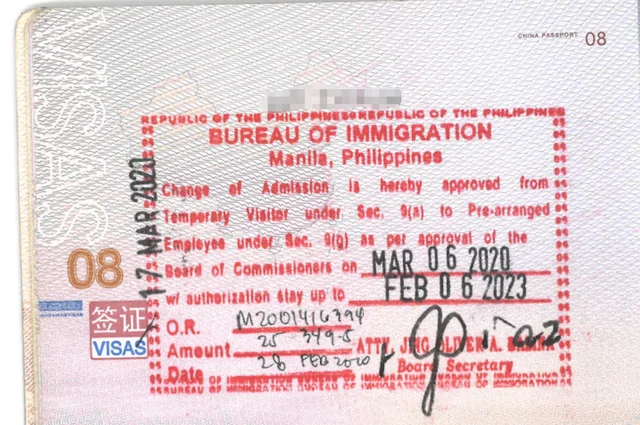
Once the AEP is secured or well underway, the employer can proceed with the work visa application. For long-term employment, this is usually the 9(g) pre-arranged employment visa with the Bureau of Immigration.
The visa stage involves additional forms, fees, and, in some cases, biometric capture and implementation steps. The foreign worker’s immigration status is tied to the employer and the specific role, so any major changes may require an amendment or new filing.
Step 5: Complete Post-Approval Compliance
After the AEP and visa are approved, the employer must complete post-approval compliance steps. This can include registering the foreign employee for tax purposes, ensuring proper payroll setup, and maintaining records for inspections.
Ongoing compliance also means tracking renewal dates for the AEP and visa, reporting changes in employment status, and ensuring that the foreign worker does not work beyond the authorized period or outside the authorized role.
Payment And Payroll Considerations
Payment of foreign employees must align with Philippine labor and tax rules. Employers need to withhold the correct income tax, contribute to mandatory social security and health programs where required, and issue proper payslips and records.
Employers should also consider currency, bank account setup, and any cross-border payment rules if part of the compensation is paid from outside the Philippines. Proper payroll planning helps avoid issues with both the employee and the authorities.
Common Mistakes To Avoid
A common mistake in hiring foreigners is assuming that a job offer letter is enough to start work. In reality, the foreign employee must have the proper AEP and work authorization before performing services in the Philippines.
Other frequent mistakes include:
- Starting work before the AEP or work visa is in place.
- Using the wrong permit type for the length or nature of the assignment.
- Submitting an employment contract that does not match the actual role or salary.
- Ignoring post-approval obligations such as tax registration and renewals.
- Failing to plan for the possibility that the foreign worker may need to leave and re-enter if the visa is not yet implemented.
Avoiding these mistakes reduces the risk of penalties, re-filing, and employment disruptions.
Final Insights
Hiring foreigners in the Philippines is a structured process that combines labor authorization, immigration sponsorship, and employment compliance. The employer must justify the role, prepare the correct documents, file the AEP, and secure the appropriate work visa before the foreign employee starts work.
Reach Out For Expert Assistance
For Work Visa Philippines, knowing how to hire foreigners is at the core of the firm’s work. Most clients who hire foreign staff need help with the AEP, the 9(g) visa, and ongoing compliance, especially when the foreign employee is critical to the business.
This makes the hiring process more than just recruitment. It is a legal and operational project that affects onboarding dates, payroll, and the company’s ability to rely on the foreign hires without interruption.
If your company is planning to bring foreign talent into the Philippines, the process should be started early and handled correctly to avoid delays and compliance problems. Contact us today to schedule an initial consultation:
- Contact Us Here
- Fill Out the Form Below
- Call us at +63 (02) 8540-9623