Expat work opportunities in the Philippines are real but tightly regulated. The country has a growing demand for specialized skills in sectors such as information technology, business process outsourcing, engineering, finance, education, and international development, but foreign nationals must comply with strict labor and immigration rules before they can legally work. Many expatriates arrive with job offers or plans to work, but are not always aware of the permits and visas required to start employment lawfully.
The key point is that expat work opportunities are not limited to a few industries, but they are limited by law to roles where a foreign national’s skills, experience, or language abilities are genuinely needed. Employers must justify the foreign hire, and foreign workers must secure the correct work authorization before starting any job in the country.
What Expat Work Opportunities Mean
Expat work opportunities refer to employment openings that are realistically accessible to foreign professionals living in or planning to move to the Philippines. These can include positions with multinational corporations, regional headquarters, foreign schools, international NGOs, and local companies that need specialized expertise or language skills.
In practice, expat roles are often senior, technical, or niche positions. Common examples include regional managers, senior engineers, specialized IT professionals, university lecturers, language trainers, and executives assigned by a parent company abroad. These roles are different from general entry-level or local jobs that are typically filled by Filipino workers.
Legal Framework For Foreign Employment
The legal framework for foreign employment in the Philippines is based on the Labor Code, Department of Labor and Employment (DOLE) regulations, and the Philippine Immigration Act. The law requires most foreign nationals who will work in the country to secure an Alien Employment Permit from DOLE and a corresponding work visa, such as the 9(g) pre-arranged employment visa.
This framework is designed to protect the local labor market while allowing foreign participation in areas where skills are scarce or where international expertise is needed. It means that expat work opportunities are not just about finding a job offer, but also about ensuring that the role, the employer, and the foreign worker all meet legal requirements.
Sectors With Strong Expat Demand
Several sectors consistently show stronger demand for expatriate talent. These industries tend to value international experience, specialized technical skills, or specific language capabilities that are not always easy to find in the local labor market.
The most prominent sectors include:
- Information technology and software development, including cybersecurity, cloud, and enterprise systems.
- Business process outsourcing and shared services, especially for foreign language support and specialized operations.
- Engineering and construction, particularly for large infrastructure, energy, and industrial projects.
- Finance, accounting, and shared regional finance centers for multinational groups.
- Education, including international schools, universities, and specialized training programs.
- International development, NGOs, and multilateral organizations working on health, education, and governance projects.
These sectors do not automatically hire foreigners, but they are more likely to justify a foreign hire when the role requires specific expertise or experience.
Typical Roles For Expatriates
Typical expatriate roles in the Philippines are often senior, supervisory, or highly specialized. Employers usually hire foreign nationals for positions that require deep technical knowledge, regional experience, or leadership of cross-border teams.
Common roles include:
- Country managers and regional heads for multinational corporations.
- Senior engineers, project directors, and technical specialists in infrastructure and industrial sectors.
- IT architects, cybersecurity experts, and senior developers for enterprise systems.
- University professors, researchers, and specialized trainers in international schools and higher education institutions.
- Finance and compliance leaders for regional finance hubs and shared service centers.
- Program directors and technical advisors for international NGOs and development agencies.
These roles are more likely to be approved for work permits because they can be justified as requiring skills not readily available locally.
Language-Based Opportunities
Language-based opportunities are a significant part of expat work opportunities in the Philippines. The country has a large BPO and customer service industry that serves global markets, including Japan, Korea, Europe, and Latin America. This creates demand for native or near-native speakers of languages other than English.
Foreign nationals who speak Japanese, Korean, Mandarin, German, French, Spanish, or other major languages can find roles in customer support, sales, technical support, and operations. These positions often pay significantly higher than standard English-based BPO roles and can be a realistic entry point for expatriates with the right language skills and work authorization.
How To Find Expat Jobs
Finding expat jobs in the Philippines usually requires a mix of online research, networking, and direct outreach to employers. Many expatriates secure positions before arriving, often through a parent company, a regional recruiter, or a direct offer from a multinational employer.
Common channels include:
- International job boards and regional career sites that list roles in the Philippines.
- LinkedIn and professional networks, especially for senior and specialized roles.
- Recruitment agencies that focus on expatriate, regional, or executive placements.
- Direct applications to multinational companies, international schools, and NGOs with operations in the Philippines.
- Referrals from colleagues, industry contacts, or professional associations.
Relying only on local job boards without a clear visa strategy can be limiting, because many employers will prefer candidates who already have the right to work or who can be sponsored smoothly.
The Role Of Work Permits And Visas
Work permits and visas are central to every expat work opportunity in the Philippines. An employer may be willing to hire a foreign national, but the foreign worker cannot legally start employment without the proper authorization.
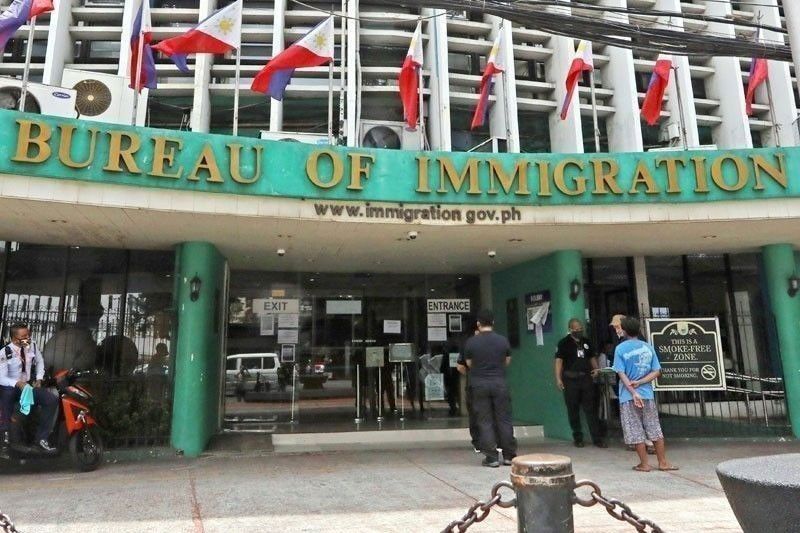
The typical pathway involves an Alien Employment Permit from DOLE, followed by a 9(g) work visa from the Bureau of Immigration. Some short-term assignments may use temporary permits, but long-term employment almost always requires the full AEP and 9(g) process. Employers that understand this process are more likely to move forward with a foreign hire, while those that do not may hesitate or withdraw the offer.
Employer Sponsorship And Compliance
Employer sponsorship is a key part of the expat employment process. The company is the main sponsor of the work authorization and must file or support the AEP application, sponsor the work visa, and register the foreign employee as an employer with the relevant agencies.
Compliance does not end with the initial approval. Employers must track renewal dates for the AEP and visa, report changes in employment status, and ensure that the foreign worker does not work beyond the authorized period or outside the authorized role. Employers that manage this well can build a stable expatriate workforce, while those that do not risk penalties and operational disruptions.
Common Mistakes By Foreign Job Seekers
A common mistake among foreign job seekers is assuming that a job offer alone is enough to start working. In reality, the foreign employee must have the proper AEP and work visa before performing services in the Philippines.
Other frequent mistakes include:
- Applying for roles that are clearly intended for local hires without a strong justification for a foreign hire.
- Starting work on a tourist or visa-free status while waiting for a work permit.
- Accepting offers from employers who are unwilling or unable to sponsor the required permits.
- Failing to verify whether the employer has experience handling foreign hires and immigration compliance.
- Ignoring the need to plan for renewals, ACR I-card requirements, and other ongoing obligations.
Avoiding these mistakes requires clear communication with the employer, early planning, and a realistic understanding of the legal process.
Practical Steps For Expatriates
Expatriates who want to pursue work opportunities in the Philippines should start by clarifying their goals. Are they seeking a long-term career, a regional assignment, or a short-term project? Do they have specialized skills or language abilities that are in demand?
Once the goal is clear, the next step is to target the right sectors and employers, prepare a strong CV, and begin the job search with a clear visa strategy in mind. Legal and immigration advice should be obtained early, especially if the expatriate is already in the Philippines or planning to relocate soon.
Key Takeaways
Expat work opportunities in the Philippines are available in many sectors, but they are governed by strict labor and immigration rules. Foreign nationals must secure the correct work permits and visas, and employers must be willing and able to sponsor and manage the compliance process.
Work Visa Philippines helps foreign professionals and employers understand how job opportunities, work permits, and visas fit together so that employment in the Philippines is lawful from the start. If you are considering work in the Philippines as an expatriate, your job search and immigration plan should be aligned from the beginning to avoid delays and compliance problems.
Is Assistance Available?
Yes. For Work Visa Philippines, expat work opportunities are at the heart of the firm’s work. Most clients who come to the Philippines to work need help with the AEP, the 9(g) visa, and ongoing compliance, especially when the foreign employee is critical to the business.
This makes the job search process more than just recruitment. It is a legal and operational project that affects onboarding dates, payroll, and the company’s ability to rely on the foreign hires without interruption. Proper handling of the immigration side can make the difference between a successful assignment and a delayed or failed one.
Reach out to one of our experts to schedule a consultation:
- Contact Us Here
- Fill Out the Form Below
- Call us at +63 (02) 8540-9623