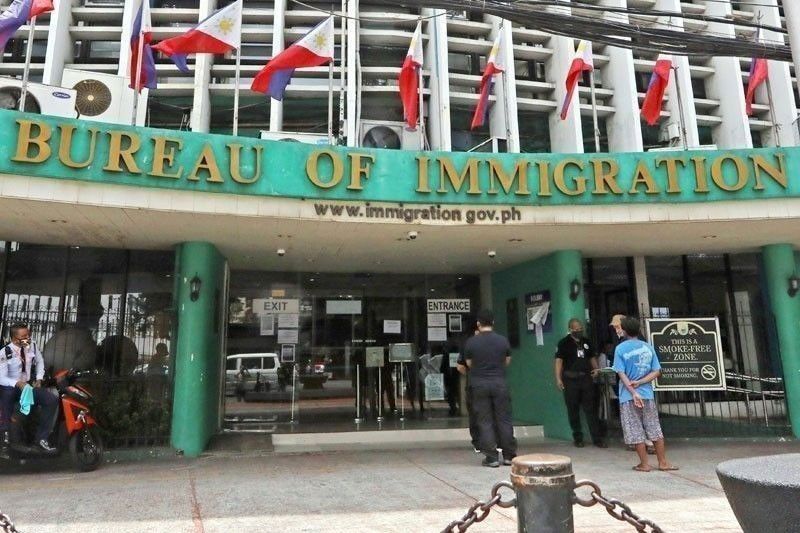
Foreign nationals in the Philippines may need to change their immigration status when their circumstances change. A visitor may receive a job offer from a Philippine company, a foreign student may plan to continue studying, or a foreign national married to a Filipino citizen may wish to apply for residence. In these situations, the question is whether they can change their visa type while remaining in the country or must leave and apply through a Philippine embassy or consulate abroad.
The answer depends on the existing immigration status, the intended visa category, and the applicant’s eligibility. The Bureau of Immigration (BI) provides procedures for certain in-country visa conversions, including conversion to a 9(g) Pre-Arranged Employment Visa. However, conversion is not automatic, and some entry arrangements or special circumstances may require a different process.
For expatriates planning to work in the Philippines, understanding the difference between visa extension, visa conversion, and work authorization is particularly important. Applying for a new visa does not, by itself, grant permission to begin working or guarantee that an applicant can remain indefinitely.
What Does It Mean to Change Visa Type?
Before preparing an application, foreign nationals should understand what kind of immigration transaction they need. Visa extension, conversion, and downgrade have different purposes and should not be treated as interchangeable procedures.
Visa extension
An extension allows a foreign national to prolong an authorized stay under an existing immigration category, subject to the applicable rules. For example, an eligible temporary visitor may apply to extend their authorized stay through the BI.
An extension does not automatically change a visitor into a worker, student, or resident. If the person’s circumstances require a different immigration category, a separate conversion or application may be necessary.
Visa conversion
Visa conversion, also called a change of admission status, involves applying to move from one immigration category to another. The BI publishes procedures for specific conversions, including applications for a 9(g) employment visa and a 9(f) student visa.
The applicant must satisfy the requirements of the intended category and submit the appropriate supporting documents. The BI must assess and approve the application before the change is completed.
Visa downgrade
A downgrade generally involves returning from a long-term visa category to a temporary visitor status, where permitted. It may arise when employment ends, a qualifying relationship changes, or a foreign national no longer meets the conditions of an existing visa.
A downgrade is not the same as converting directly into another visa category. The correct procedure depends on the existing visa and the circumstances that caused the change.
Can You Change Visa Type Without Leaving the Philippines?
Many foreign nationals can apply for certain visa conversions from inside the Philippines, but there is no universal rule covering every visa and entry arrangement. The first step is to verify whether the intended category permits an in-country application.
The BI’s official visa pages identify particular transactions as conversions. For example, its 9(g) Pre-Arranged Employment Visa guidance expressly includes conversion to employment status. The BI also publishes procedures for student visa conversion.
Before deciding to remain in the country during processing, applicants should check three important matters.
First, confirm that the existing stay is valid. An application should not be planned on the assumption that filing a conversion automatically cures an overstay or extends the applicant’s authorized stay. The BI may require an updated visitor visa extension as part of implementing an approved conversion.
Second, verify that the intended visa category permits the proposed application route. Eligibility and filing procedures differ by category. An applicant should obtain the current checklist from the responsible authority instead of relying on another person’s experience.
Third, check whether any immigration issues could affect the application. Overstays, unresolved immigration violations, derogatory records, passport problems, and incomplete documentation may complicate a case. Applicants should resolve relevant issues with the BI rather than assume that a new application will bypass them.
The BI’s Visa Application Status page identifies requirements for visa implementation, including a passport valid for at least six months and an updated tourist visa extension, where applicable to conversion cases. The current checklist and the BI’s instructions should govern each application.
Changing From a Tourist Visa to a 9(g) Work Visa
For foreign nationals who have received a Philippine job offer, conversion from temporary visitor status to a 9(g) work visa may be possible without leaving the country. However, the process requires more than changing the visa label on a passport.
The 9(g) visa is intended for qualifying foreign nationals entering into pre-arranged employment in the Philippines. A Philippine-based employer generally acts as the petitioner and must support the application with the required corporate and employment documents.
Employer sponsorship is essential
A foreign national cannot obtain a standard employer-sponsored 9(g) visa simply by expressing an intention to work. There must be a qualifying employment arrangement and an eligible Philippine petitioner.
The employer should confirm that its business registration, corporate records, employment documents, and other supporting requirements are in order. The applicant’s role and qualifications must also be consistent with the proposed employment.
This is especially important when a company has offered a position to someone who originally entered the Philippines as a visitor. The employer should establish the appropriate compliance process before the foreign national begins working.
Understand the Alien Employment Permit requirement
The Alien Employment Permit (AEP) is a labor authorization administered by the Department of Labor and Employment (DOLE). It is distinct from the 9(g) visa, which falls under immigration rules administered by the BI.
An AEP is required for covered foreign nationals intending to engage in gainful employment, unless an applicable exemption or exclusion applies. Whether a particular foreign national needs an AEP must be assessed against the current rules and the person’s actual role.
DOLE’s framework was updated through Department Order No. 248, Series of 2025, with subsequent supplemental and amending issuances. As of June 2026, DOLE has also centralized AEP processing at its Central Office. Employers should check the current DOLE guidance before filing.
Can you work while the conversion is pending?
Applicants should not assume that an ongoing visa application or an approved AEP automatically authorizes them to start working. Work authorization and immigration status must be assessed separately, and any provisional arrangement must be appropriate to the applicant’s circumstances.
The employer should verify whether a separate permit, such as a Provisional Work Permit, where applicable, is available and necessary before the employee begins work. The applicant should also maintain a valid authorized stay while the application is pending.
The safest approach is to confirm the required sequence with the BI and DOLE before commencing employment.
Other Visa Conversions That May Be Available In-Country
Employment is not the only reason a foreign national may need to change immigration status. Other categories have their own eligibility requirements, sponsoring parties, and documentary procedures.
Conversion to a 13(a) non-quota immigrant visa
Certain foreign nationals married to Philippine citizens may qualify to apply for a 13(a) non-quota immigrant visa, subject to the applicable legal and documentary requirements. The process involves demonstrating eligibility for the category and submitting the required supporting evidence.
Marriage to a Filipino citizen does not mean that a foreign national automatically acquires permanent residence or permission to work. Applicants must complete the applicable immigration process, and any work-related requirements should be assessed separately.
Conversion to a 9(f) student visa
Foreign nationals seeking higher education in an eligible Philippine institution may qualify for a 9(f) student visa. The BI’s published procedures describe conversion from temporary visitor status for qualifying applicants, including those seeking to pursue degree-level studies at an institution authorized to accept foreign students.
The application generally involves documents from the applicant and the educational institution. These may include school acceptance and endorsement documents, passport information, proof of a valid authorized stay, and other requirements listed in the current checklist.
Applicants enrolling in short courses or non-degree programs should not assume that a 9(f) visa is the appropriate route. A Special Study Permit may apply to certain programs instead.
Retirement and investment-related categories
Foreign nationals considering retirement or investment-related residence should confirm the rules of the relevant program before changing their immigration status.
For example, the Special Resident Retiree’s Visa (SRRV) is administered through the Philippine Retirement Authority, while the Special Investor’s Resident Visa (SIRV) follows its own investment-related framework. These programs have distinct eligibility, documentation, and financial conditions.
Applicants should consult the relevant administering agency about whether their circumstances permit an in-country application and what status must be maintained while it is processed. Requirements applicable to one program should not be assumed to apply to another.
When Leaving the Philippines May Be Necessary
Although some conversions can be completed in-country, certain entry arrangements or individual circumstances may prevent an applicant from following the same process. The answer must be established for the person’s particular status rather than inferred from general advice about visa conversion.
For instance, the official Philippine eVisa policy places restrictions on using an eVisa to extend a stay or convert to another visa category. Certain visa-free entry arrangements also have their own conditions. A foreign national admitted under one of these arrangements should confirm the applicable rules before assuming that a standard conversion procedure is available.
Leaving the country may also become relevant when the intended category requires an application through a Philippine diplomatic post abroad, or when an immigration issue must be resolved before a new application can proceed.
Applicants should not book a departure solely because someone claims that every visa change requires a visa run. Equally, they should not remain in the Philippines on the assumption that every status can be converted locally. Confirm the route with the responsible authority before making travel plans.
How to Prepare for a Visa Conversion Application
Preparation can reduce delays and help applicants identify problems before submitting a formal application. The exact documents depend on the intended visa category, but the following steps provide a practical starting point.
Step 1: Confirm your current immigration status
Review your passport, admission stamp, visa, extensions, and other immigration records. Identify the date your authorized stay expires and whether any previous compliance issue needs to be resolved.
Do not rely solely on the date printed on a visa sticker if the authorized period of stay is determined by a separate admission record or extension.
Step 2: Identify the correct target category
Determine which visa or immigration status fits your actual circumstances. A foreign national planning to take up employment has different requirements from someone entering a degree program or applying for residence based on a qualifying family relationship.
If the proposed activity does not clearly fit a category, seek clarification before paying application fees or submitting documents.
Step 3: Obtain the latest official checklist
Use the relevant BI page or contact the appropriate government agency to obtain the current documentary requirements. Employment applications may involve employer records, employment contracts, AEP documentation where required, and supporting corporate documents.
Applicants should also check whether documents issued abroad require authentication, apostille, or other formalities.
Step 4: Submit the application and follow the official instructions
Follow the designated filing process, pay the applicable fees, and retain official receipts and reference numbers. The BI may require pre-screening, a hearing, biometric capture, or additional steps depending on the category.
Do not treat submission of documents as proof that the conversion has been approved.
Step 5: Confirm approval and implementation
After filing, monitor the application through the BI’s official status channels, where available. The BI’s published guidance explains how to verify an application using the number on the official receipt.
If the application is approved, follow the instructions for passport submission, visa implementation, and any applicable Alien Certificate of Registration Identity Card (ACR I-Card) requirements. Confirm that all required steps have been completed before relying on the new status.
Confirm the Correct Route Before Changing Status
It may be possible to change visa type without leaving the Philippines, but eligibility depends on the current immigration status, the intended category, and the relevant government procedures. The BI provides in-country conversion routes for certain visas, including the 9(g) employment visa and the 9(f) student visa. Other categories follow their own rules, and some entry arrangements impose restrictions on conversion.
For expatriates moving into employment, the key is to coordinate the immigration application with the employer’s obligations and any applicable DOLE authorization. A visa application does not automatically authorize employment, and an application in progress should not be treated as final approval.
Before proceeding, confirm the current requirements, maintain a valid authorized stay, and follow the official filing and implementation instructions. This approach can help foreign nationals avoid unnecessary travel and reduce the risk of immigration or employment compliance problems.
Is Assistance Available?
Work Visa Philippines can assist foreign nationals and employers in understanding Philippine work visa procedures, employment permit requirements, and related compliance considerations. The appropriate route depends on the applicant’s current status, intended activities, employer arrangements, and eligibility under the applicable rules.
Contact us today for an initial consultation:
- Contact Us Here
- Fill Out the Form Below
- Call us at +63 (02) 8540-9623