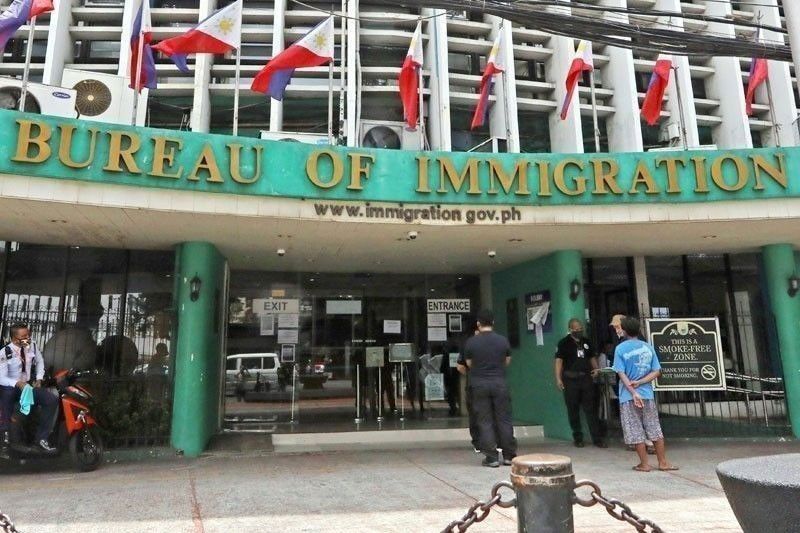
Starting a business in the Philippines as an expat can offer access to a growing consumer market, a large workforce, and opportunities across industries such as technology, professional services, tourism, manufacturing, and trade. However, foreign entrepreneurs must understand more than business registration. Philippine law regulates foreign ownership in certain industries, and operating a company may require permits, tax registration, and appropriate immigration status.
The first step is to determine whether the proposed business can be foreign-owned, what legal structure is suitable, and whether the foreign entrepreneur intends to invest in the company, manage its daily operations, or personally perform work in the Philippines. These considerations affect the registration process and the permits that may be required. Understanding them early can help expatriates avoid costly restructuring, compliance problems, and immigration complications.
Can Foreigners Start a Business in the Philippines?
Foreign nationals can invest in and establish businesses in the Philippines, but their ownership rights depend on the proposed activity and the applicable laws. The Foreign Investments Act of 1991, as amended, generally permits full foreign ownership in activities that are not restricted by the Constitution, special laws, or the Foreign Investment Negative List. However, certain industries remain reserved for Filipinos or are subject to foreign equity limits.
Before investing, an expatriate should confirm the rules that apply to the exact business activity rather than relying on the assumption that all Philippine companies must follow a 60% Filipino and 40% foreign ownership arrangement.
Understanding foreign ownership restrictions
The required ownership structure varies by industry. Certain activities are fully open to foreign investment, while others have nationality, capital, licensing, or other restrictions.
For example, restrictions may apply to mass media, the practice of regulated professions, advertising, public utilities, land ownership, and other activities specified by law. Foreign ownership in retail trade is also subject to separate statutory requirements, including a minimum paid-up capital threshold for foreign-owned retail enterprises.
The Foreign Investment Negative List and the laws governing the relevant industry should be reviewed before money is committed. The Board of Investments provides guidance on foreign investment eligibility and the applicable restrictions.
Minimum capital requirements for foreign investors
Some foreign-owned businesses must meet minimum paid-in capital requirements. Under the Foreign Investments Act framework, a domestic-market enterprise with foreign ownership may generally be subject to a $200,000 minimum paid-in equity capital threshold, with a possible reduction to $100,000 when qualifying statutory conditions are met. These conditions include certain advanced-technology activities, qualifying startup or startup-enabler status, or meeting specified Filipino employment requirements.
This is not a universal capital rule for every business. Different requirements may apply depending on the enterprise’s activities, ownership, retail status, regulatory classification, and registration structure. Export-oriented enterprises and businesses in restricted or specially regulated industries may also be subject to different rules.
An expatriate should establish the applicable capital requirement before choosing a business structure or preparing incorporation documents.
Choose the Right Business Structure
Selecting the right legal structure affects ownership, liability, reporting obligations, and the registration process. Foreign entrepreneurs should compare the available options against their business plans, investment capacity, and intended activities in the Philippines.
Domestic corporation
A Philippine domestic corporation is a separate legal entity registered with the Securities and Exchange Commission (SEC). It can be appropriate for an expatriate establishing a new business, bringing in investors, or building a company with employees and long-term operations.
The permitted foreign equity percentage depends on the company’s activities and applicable investment restrictions. Incorporation also requires compliance with the Revised Corporation Code, SEC requirements, and any industry-specific rules. A corporation’s separate legal personality generally distinguishes its obligations from those of its shareholders, although legal exceptions can apply.
Branch office
A branch office is an extension of a foreign corporation rather than a separate domestic company with an independent legal identity. It allows a foreign parent company to conduct approved business activities in the Philippines after securing the necessary SEC license.
A branch may suit an established overseas business seeking to expand into the Philippine market. Foreign corporations establishing branches must comply with applicable capital, documentary, licensing, and reporting requirements.
Representative office
A representative office is generally intended for activities such as information dissemination, communications, promotion of the parent company’s products, and certain liaison functions. It does not generate income from the Philippines and is funded by its foreign head office.
Because it cannot operate as an ordinary revenue-generating business, this structure is not suitable for every expansion plan.
Sole proprietorship and partnerships
A sole proprietorship is owned by one individual and does not have a legal personality separate from its owner. Business name registration is generally handled by the Department of Trade and Industry (DTI), but foreign nationals must satisfy the additional eligibility and authority requirements applicable to them. DTI registration alone does not establish that a foreigner is legally entitled to operate any proposed business.
Partnerships may also be possible, depending on the activity and ownership restrictions. Professional practice and other regulated activities require particular care because nationality and licensing rules may apply independently of the chosen business structure.
The Board of Investments outlines the principal business structures available in the Philippines and the requirements that may apply to each.
Register the Business With the Appropriate Government Agencies
Once the ownership structure and business activities have been confirmed, the next step is to complete the relevant registrations. The agencies involved depend on the legal structure, location, and nature of the business.
SEC or DTI registration
Corporations, partnerships, and foreign corporations establishing licensed operations generally deal with the SEC. Sole proprietors use the DTI business name registration system when applicable, subject to the requirements for foreign nationals.
Registration with the SEC or DTI is only one part of the process. It does not automatically replace local permits, tax registration, industry-specific licenses, or immigration authorization.
Foreign corporations may also need to submit documents from their home jurisdiction, such as corporate authorizations and financial statements, in the form required by Philippine regulations. Authentication, apostille, and other documentary requirements should be confirmed before submission.
Barangay and local government permits
Businesses generally need to comply with local licensing requirements in the city or municipality where they operate. Depending on the location and business activity, this can include barangay clearance, a mayor’s or business permit, zoning or locational clearance, and fire safety or other applicable clearances.
Requirements and application procedures can vary between local government units. A business operating from a commercial office may have different documentary requirements from one using a warehouse, restaurant, retail outlet, or production facility.
Before signing a lease, expatriates should verify whether the premises can legally accommodate the proposed business and whether the required permits can be obtained for that address.
Bureau of Internal Revenue registration
Businesses must also register with the Bureau of Internal Revenue (BIR) and comply with applicable tax and invoicing requirements. Depending on the business structure and activities, obligations may include income tax, value-added tax, or percentage tax, where applicable, withholding taxes, books of accounts, and registration or use of compliant invoices.
Employers must also meet relevant payroll withholding and reporting obligations. Companies with employees may have additional responsibilities involving statutory employee contributions and employment records.
Early coordination with an accountant or tax professional can help establish the appropriate tax registrations, accounting processes, and filing calendar.
Understand the Work Visa and Immigration Requirements
Business registration and immigration authorization are separate matters. An expatriate may be permitted to invest in a company but still needs the appropriate immigration status to live in the Philippines or perform work there.
This distinction is particularly important for foreign entrepreneurs who intend to manage employees, deliver services, oversee operations, or carry out a day-to-day role in their own company.
Does owning a company allow an expat to work in the Philippines?
Company ownership alone should not be treated as automatic authorization to work in the Philippines. The applicable immigration and labor requirements depend on the foreign national’s status, the nature of the activities performed, and the circumstances of the business.
A foreign shareholder who invests in a company without personally performing work may have a different compliance situation from a foreign national who serves as an executive, manager, technical specialist, or operational employee.
Entrepreneurs should assess their intended role before beginning work. They should not assume that a tourist admission or business visitor status permits them to perform ordinary employment or manage daily business operations without further authorization.
When might a 9(g) visa be relevant?
The 9(g) Pre-Arranged Employment Visa is a route for qualifying foreign nationals coming to the Philippines to engage in lawful employment for wages, salary, or other compensation. It generally involves a Philippine-based petitioner and the requirements of the Bureau of Immigration (BI).
For an expatriate employed by a Philippine company, the 9(g) visa may be relevant if the employment arrangement meets the applicable requirements. However, it is not automatically the correct visa for every foreign business owner, investor, or company director.
The appropriate route should be determined from the person’s actual activities and legal circumstances.
Is an Alien Employment Permit required?
The Department of Labor and Employment (DOLE) administers the Alien Employment Permit (AEP) framework for covered foreign nationals intending to engage in gainful employment in the Philippines. An AEP is distinct from an immigration visa and does not replace the need to comply with applicable immigration rules.
Whether an AEP is required depends on the person’s circumstances and whether a statutory exemption or exclusion applies. Foreign entrepreneurs should not assume that holding shares in a company automatically requires an AEP, nor that ownership automatically exempts them from labor or immigration requirements.
The company’s role, the foreign national’s proposed position, the applicable exemptions, and current DOLE rules should be reviewed before work begins.
Check Whether Your Business Needs Additional Licenses
Some businesses need approvals beyond ordinary registration and local permits. These requirements depend on the products or services offered, the location, and the industry’s regulatory framework.
Industry-specific permits
For example, businesses involving food, pharmaceuticals, medical devices, or certain health-related products may need approvals from the Food and Drug Administration. Construction projects can require permits and professional compliance, while financial services may be subject to authorization from the appropriate financial regulator.
Businesses operating in economic zones or pursuing investment incentives may also need to register with the relevant investment promotion agency and satisfy its conditions.
An entrepreneur should identify all relevant regulators before commencing operations. A company can be legally incorporated yet remain unable to lawfully provide a regulated service or sell a regulated product until the necessary approvals are secured.
Investment incentives and special registrations
Eligible businesses may explore registration with the Board of Investments or other investment promotion agencies where their activities qualify under the applicable investment framework.
Incentives are not automatic simply because a company has foreign shareholders or invests a particular amount. Eligibility depends on the relevant program, activity, registration conditions, and compliance obligations.
Foreign entrepreneurs should compare the administrative responsibilities of an incentive-eligible structure with the expected commercial benefits before applying.
Prepare for Employment and Ongoing Compliance
Registering the business is the beginning of the compliance process, not the end. Once operations start, the company must continue to meet its tax, corporate, local licensing, and employment obligations.
Hiring Filipino and foreign employees
Businesses employing workers must comply with Philippine labor laws, including applicable rules on employment contracts, wages, working conditions, statutory benefits, and termination. Employers must also make the required registrations and contributions to the relevant government social insurance and employee benefit systems.
If the company hires foreign nationals, it must assess each person’s work authorization separately. A permit issued for one position or employer should not be assumed to cover a different employer, position, or activity automatically.
The company should maintain accurate employment records and establish a process for tracking permit expirations, renewals, and changes in employment circumstances.
Corporate and tax reporting
Corporations and other registered entities must comply with the filing, recordkeeping, and reporting requirements applicable to their structure. These may include annual corporate filings, financial statements, tax returns, renewal of local permits, and industry-specific reports.
Failure to comply can result in penalties, interruptions to operations, or other legal consequences. Expatriate owners should establish clear responsibility for accounting, payroll, corporate secretarial work, and regulatory renewals instead of addressing each obligation only when a deadline approaches.
Final Insights
Starting a business in the Philippines as an expat requires coordinated planning across foreign investment rules, business registration, local permits, taxation, and immigration compliance. Foreign ownership may be permitted in many sectors, but restrictions and capital requirements depend on the exact activity and legal structure.
The most practical approach is to confirm ownership eligibility first, select the right business vehicle, identify the necessary registrations and licenses, and determine whether the foreign entrepreneur’s intended role requires work authorization. These steps can help prevent avoidable delays and reduce the risk of noncompliance after operations begin.
Plan Your Business and Immigration Strategy Together
Work Visa Philippines can help foreign entrepreneurs understand the Philippine work visa and employment permit requirements as they plan their business activities. Because company ownership, business registration, and authorization to work are separate legal matters, the appropriate requirements should be assessed according to each entrepreneur’s circumstances.
For guidance on work authorization and related compliance considerations, contact our team today:
- Contact Us Here
- Fill Out the Form Below
- Call us at +63 (02) 8540-9623