The Philippines is an attractive destination for remote professionals who want to work online while living abroad. However, foreign nationals planning an extended stay must consider immigration requirements, not just internet access, accommodation, and living expenses. Understanding the digital nomad visa requirements is particularly important because the Philippines has authorized a Digital Nomad Visa framework, but the application process must be verified before anyone relies on it.
Executive Order No. 86, signed on April 24, 2025, authorized the Department of Foreign Affairs (DFA) to issue Digital Nomad Visas to qualifying foreign nationals who work remotely for employers or clients outside the Philippines. However, as of October 2026, publicly available information indicates that the visa is not yet open for applications through a confirmed official application channel. The DFA’s live e-Visa portal does not list it among its available visa categories.
For remote workers, this distinction matters. The executive order establishes the framework and eligibility conditions, but it should not be mistaken for confirmation that applications are currently being accepted.
What Is the Philippine Digital Nomad Visa?
Understanding the purpose of the proposed visa helps remote workers determine whether it fits their circumstances. The Digital Nomad Visa, or DNV, is intended for foreign nationals who temporarily stay in the Philippines while working remotely through digital technology for employers or clients located outside the country.
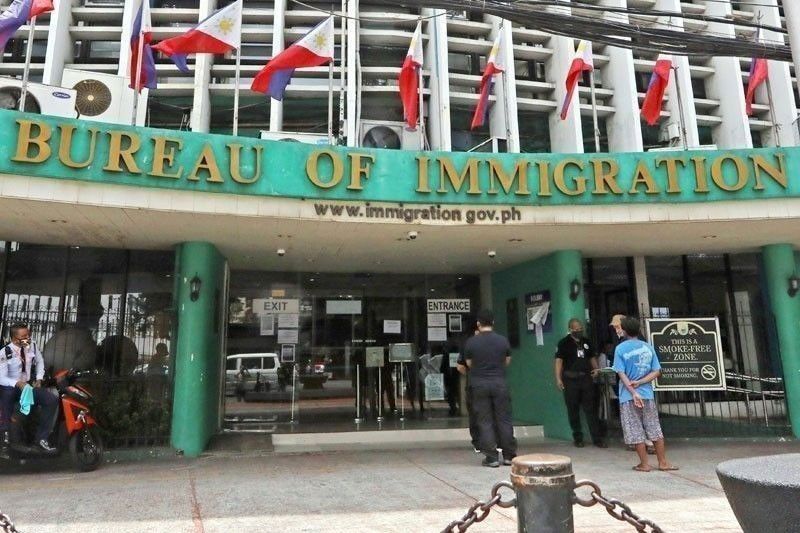
Executive Order No. 86 authorizes the DFA to issue the visa under the special non-immigrant visa framework. The Bureau of Immigration (BI) is directed to coordinate with the DFA on security clearances and continues to administer and enforce Philippine immigration rules.
The intended arrangement is different from ordinary local employment. A DNV holder must not be employed in the Philippines while holding the visa. The framework is designed for remote work connected to foreign employers or clients, rather than taking a job with a Philippine company.
Under the executive order, a valid DNV may permit a stay of up to one year, with renewal for the same duration, subject to the applicable rules. Multiple-entry privileges may also be granted during its validity. These are provisions of the authorized framework; applicants should confirm the final operating procedures before making travel or relocation commitments.
What Are the Digital Nomad Visa Requirements?
The executive order establishes several eligibility conditions for prospective applicants. Although the visa is not yet confirmed as open for applications, understanding these conditions can help remote workers assess whether they may qualify once an official application channel becomes available.
Under Section 2 of Executive Order No. 86, applicants must meet the following conditions:
- Minimum age: The applicant must be at least 18 years old.
- Remote work: The applicant must demonstrate remote work using digital technology.
- Foreign-sourced income: The applicant must show sufficient income generated outside the Philippines.
- Criminal record: The applicant must provide proof of no criminal record.
- Health insurance: The applicant must have health insurance valid for the duration of the DNV.
- Nationality and reciprocity: The applicant must be a national of a country that offers digital nomad visas to Filipinos and where the Philippines has a Foreign Service Post, subject to the applicable rules.
- Security screening: The applicant must not pose a threat to the internal or external security of the Philippines.
- No local employment: The applicant must not be employed in the Philippines.
These conditions must continue to be satisfied during the visa’s validity. The DFA is responsible for determining grounds for revocation under the applicable rules, including local employment, fraud or misrepresentation, and immigration violations.
Who Can Qualify for the Digital Nomad Visa?
The visa framework is intended for remote professionals whose work and income are connected to employers or clients outside the Philippines. However, meeting the general description of a digital nomad does not automatically establish eligibility.
Remote employees working for foreign companies
Employees of foreign companies may potentially qualify if they work remotely using digital technology and their employer is located outside the Philippines. Their employment arrangement must genuinely permit remote work.
Applicants should be prepared to demonstrate the nature of their position and where their employer is based. An employment contract alone may not answer every question, so supporting confirmation from the employer may be useful when the official application requirements are released.
Freelancers and independent contractors
Freelancers and independent contractors working for overseas clients may also fall within the intended category. They should be able to demonstrate that their professional engagements are with foreign-based clients and that their work is performed remotely.
Contracts, client confirmations, invoices, and payment records may help explain the nature of an applicant’s work and foreign-sourced income. These are practical preparation suggestions, not a guarantee that every document will be accepted under the eventual application rules.
Applicants must also satisfy the nationality condition
The reciprocity requirement is a significant eligibility issue. Executive Order No. 86 limits eligibility to nationals of countries that offer digital nomad visas to Filipinos and where the Philippines maintains a Foreign Service Post.
This means that remote employment, sufficient income, and health insurance may not be enough. Applicants should verify their eligibility with the relevant Philippine embassy or consulate once official guidance becomes available.
What Documents Should Applicants Prepare?
Document preparation is useful, but prospective applicants should distinguish the conditions in the executive order from the documentary checklists published on government web pages. Because the DNV is not yet confirmed as open for applications, applicants should not assume that a particular checklist is final or that documents can already be submitted.
The DFA’s Digital Nomad Visa information page summarizes the eligibility conditions. A government e-Visa policy page has also displayed a more detailed documentary checklist. However, applicants should verify that the relevant instructions are formally operational before relying on that list to apply.
Passport and personal information
Prepare a valid passport and ensure that personal details are consistent across identity and employment records. The detailed government checklist displayed on the e-Visa policy page specifies a passport or travel document valid for at least one year beyond the intended stay.
Because final filing procedures have not been confirmed through a live DNV application channel, applicants should verify the passport validity rule with the responsible Foreign Service Post before arranging travel or renewing a passport solely for this application.
Proof of remote employment or foreign clients
Applicants should organize records that explain their work arrangement, such as an employment confirmation, contract, or evidence of engagement with foreign clients.
The detailed government checklist displayed online specifies information about the applicant’s position, the nature of the work, the duration of the engagement, and compensation. It indicates a minimum engagement period of six months and a monthly compensation threshold tied to twice the Philippines’ gross national income per capita for the preceding year.
However, applicants should not treat those detailed figures as a confirmed operational threshold until the responsible authorities publish or confirm the applicable implementing requirements. Executive Order No. 86 itself requires sufficient foreign-sourced income but does not state a fixed monetary threshold.
Proof of financial capacity and criminal record
The executive order expressly requires sufficient foreign-sourced income and proof of no criminal record. Applicants should prepare records that can substantiate their financial position and criminal record status.
The detailed government checklist refers to proof of financial capacity and a criminal record document from the applicant’s country of residence. The final accepted document types, validity periods, authentication requirements, and issuing authorities should be confirmed once the application procedure is operational.
Health insurance and accommodation
Health insurance valid for the period of the DNV is expressly required under Executive Order No. 86. Remote workers should review policy coverage, geographical validity, and the period of protection before making a commitment.
The detailed government checklist also refers to international health insurance, proof of accommodation, and a medical health certificate that includes a standard-sized chest X-ray. Applicants should confirm these requirements with the relevant Philippine Foreign Service Post before arranging examinations or purchasing a policy specifically for the visa.
Additional declarations and supporting documents
The detailed government checklist refers to a sworn undertaking concerning compliance with the DNV program and restrictions on local employment. It also describes an affidavit of support and guarantee, where applicable.
These documents should be treated as items to verify against the final official process, not proof that the visa is currently accepting applications.
How Long Can a Digital Nomad Stay in the Philippines?
The intended period of stay is important for remote workers planning leases, travel, and work arrangements. Under Executive Order No. 86, a valid DNV may allow a stay of up to one year and may be renewed for the same duration, subject to the applicable rules.
This framework does not mean that an applicant can currently obtain a DNV simply by meeting the stated conditions. The operational process must be confirmed through official channels before a person plans to rely on this visa category.
A DNV is a temporary non-immigrant visa, not a direct route to permanent residence. Remote workers should also understand that the visa’s intended validity does not remove the need to comply with entry conditions, immigration procedures, and any applicable renewal requirements.
Is the Philippine Digital Nomad Visa Available Now?
The current application status is one of the most important considerations for anyone researching the visa. Executive Order No. 86 authorized the program in April 2025 and directed the DFA, working with other agencies, to issue implementing guidelines. However, publicly available information as of October 2026 does not confirm the existence of an operational application channel.
The DFA’s live e-Visa portal does not list the Digital Nomad Visa among its available visa categories. Prospective applicants should therefore avoid assuming that the visa can already be obtained just because the executive order exists.
Before paying an agency or making non-refundable travel plans, applicants should:
- Check the DFA’s official visa portal for a live DNV category and current application instructions.
- Contact the Philippine embassy or consulate responsible for their jurisdiction.
- Ask for confirmation of eligibility, the accepted documentary checklist, and the applicable fees.
- Avoid relying on unverified income thresholds, promised approval dates, or claims that an application can be filed immediately.
The current status can change. Applicants should recheck official sources before acting rather than relying on articles published months earlier.
What Are the Alternatives While the DNV Is Unavailable?
Remote workers who intend to travel before the DNV application process becomes operational need to assess the immigration options currently available to them. The appropriate route depends on nationality, purpose of travel, intended length of stay, and the nature of the work.
Some foreign nationals may enter as temporary visitors, subject to visa exemption rules or the relevant visitor visa. However, permission to enter or stay as a visitor should not automatically be treated as authorization to work remotely. The legal position should be verified with the BI or the relevant Philippine embassy or consulate before relying on visitor status for a remote-work arrangement.
Foreign nationals taking up qualifying employment with a Philippine-based company may need to consider the 9(g) Pre-Arranged Employment Visa and an Alien Employment Permit, where applicable. These are different from the proposed DNV and are not general substitutes for remote work performed for overseas employers.
Applicants should choose a route that accurately reflects their work and immigration circumstances.
Next Steps
The digital nomad visa requirements for the Philippines are set out in Executive Order No. 86, which establishes conditions concerning age, remote work, foreign-sourced income, criminal record status, health insurance, nationality, security, and the prohibition on local employment.
However, the existence of the executive order does not establish that the DNV is currently available for application. As of October 2026, applicants should verify the current status directly with the DFA and the relevant Philippine Foreign Service Post. They should also distinguish the conditions expressly stated in the order from additional documentary details displayed on government web pages that may require operational confirmation.
Careful preparation and official verification can help remote professionals avoid unnecessary expenses, incorrect applications, and immigration complications.
Is Assistance Available?
Understanding the right immigration route is essential for foreign nationals planning to live in the Philippines while working remotely or considering employment with a Philippine-based company. Work Visa Philippines can help foreign professionals and employers understand applicable visa categories, work authorization requirements, and the steps that should be verified before filing.
For assistance with Philippine work visa and immigration matters, contact our team:
- Contact Us Here
- Fill Out the Form Below
- Call us at +63 (02) 8540-9623