The employment of foreigners in the Philippines can help businesses access specialized skills, develop international operations, and support investment. However, hiring a foreign professional involves legal requirements beyond an employment contract. Employers must determine whether the position requires a labor permit, secure the appropriate immigration authorization, and comply with applicable Philippine labor and professional regulations.
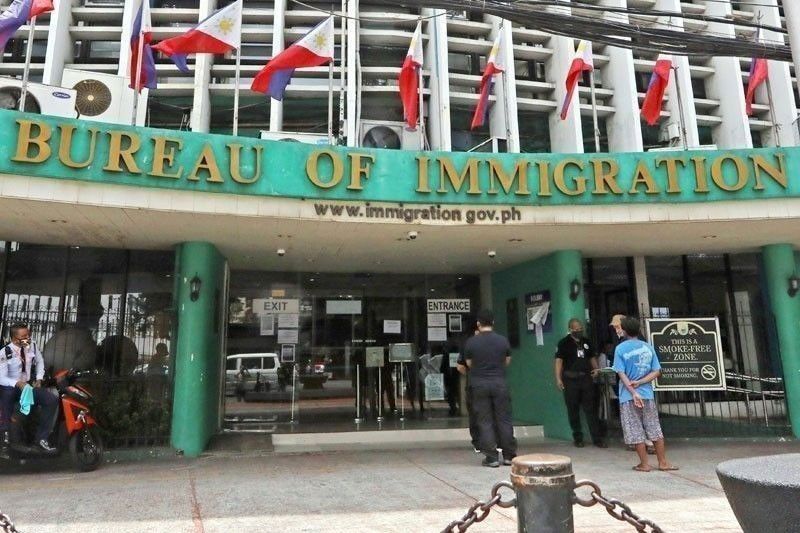
The Department of Labor and Employment (DOLE) regulates the Alien Employment Permit (AEP), while the Bureau of Immigration (BI) administers employment-related immigration permissions, including the 9(g) Pre-Arranged Employment Visa. These requirements serve different purposes and may both apply to a foreign national working for a Philippine-based company.
The regulatory framework has also evolved. DOLE Department Order No. 248, Series of 2025, introduced updated rules for employing foreign nationals, followed by supplemental guidelines and further amendments. Effective June 9, 2026, AEP processing was centralized at the DOLE Central Office. Employers must therefore use current government instructions rather than rely exclusively on older employment or visa guides.
What Does Employment of Foreigners Mean Under Philippine Law?
Understanding the legal framework helps employers identify the approvals needed before engaging a foreign national. Philippine law permits foreign nationals to work in qualifying circumstances, but their employment remains subject to labor, immigration, and other applicable regulations.
Article 40 of the Philippine Labor Code provides the legal basis for requiring covered foreign nationals seeking employment in the Philippines to obtain an employment permit. The rules aim to protect employment opportunities for Filipino workers while allowing businesses to engage foreign professionals when the applicable requirements are satisfied.
DOLE Department Order No. 248, Series of 2025, sets out the updated rules governing the employment of foreign nationals. Department Order No. 248-A, Series of 2025, provides supplemental clarifications and amendments, while Department Order No. 248-B, Series of 2026, further amends the framework and centralizes AEP-related functions.
The rules are relevant to employers hiring foreign executives, managers, technical specialists, consultants, and other professionals, depending on the actual role and circumstances. A foreign national’s seniority, qualifications, or nationality does not automatically establish an exemption from work authorization requirements.
Employers should assess the position and the worker’s circumstances before making a hiring decision. The applicable requirements may differ depending on the type of work, the employer’s business, and whether a recognized exclusion or exemption applies.
When Does a Foreign National Need an Alien Employment Permit?
The AEP is an important requirement for many foreign nationals who intend to work in the Philippines. Employers should determine whether it applies before allowing a foreign employee to begin performing the job.
In general, a foreign national engaging in gainful employment in the Philippines must comply with the AEP rules unless an applicable exclusion or exemption applies. The assessment considers the proposed employment and the applicable legal requirements, including whether a competent, able, and willing Filipino worker is available to perform the work.
The process can involve a labor market assessment and supporting documentation about the position and the employer. The applicant’s qualifications and the nature of the proposed employment are also relevant to the application.
Not every foreign national necessarily needs the same permit. Certain categories may qualify for exclusions or exemptions under the applicable rules, and a formal certificate may be required to establish the relevant status. Employers should verify the specific legal basis rather than assume that an exemption applies.
What is the Difference Between an AEP and a 9(g) Visa?
The AEP and the 9(g) visa address separate aspects of foreign employment. Understanding this distinction helps employers avoid the mistake of treating one approval as a substitute for the other.
The Alien Employment Permit is a labor authorization issued under DOLE’s rules. The 9(g) work visa is an immigration category administered by the BI for qualifying foreign nationals who will engage in lawful employment in the Philippines.
A Philippine-based company petitions for the commercial 9(g) visa for an eligible foreign employee. The BI requires prescribed application documents, including a notarized certification stating the number of Filipino and foreign employees, alongside other applicable requirements.
For many foreign professionals taking up ongoing employment with a Philippine company, both the labor and immigration requirements need to be assessed. Completing the AEP process does not automatically grant the 9(g) visa, and obtaining immigration status does not necessarily remove the obligation to secure an AEP.
How Does DOLE Assess Applications for Foreign Employment?
The AEP process considers more than whether an employer has offered a position to a foreign candidate. Employers should be ready to demonstrate compliance with the applicable requirements governing the proposed employment.
Labor market assessment and job publication
The labor market assessment considers whether a qualified Filipino worker is available for the proposed role. Employers should prepare accurate information about the position and comply with the job-publication requirements under the current rules.
The supplemental guidelines under DOLE Department Order No. 248-A clarify that publication in a newspaper of general circulation is required. Posting on PhilJobNet and with a Public Employment Service Office (PESO) or Job Placement Office (JPO) is encouraged, but those additional postings are not a precondition to filing under the clarified rules.
Employers should retain evidence of the required publication and ensure that the vacancy details are consistent with the employment documents. The job title, responsibilities, and qualifications should accurately reflect the role being offered.
Economic Needs Test and skills transfer
The 2025 AEP framework introduced an Economic Needs Test (ENT), which forms part of the rules for assessing foreign employment. Employers should not assume that a candidate’s experience alone guarantees approval.
The rules also provide for skills transfer and training-related requirements for certain establishments. Depending on the business category, an Understudy Training Program or a Skills Development Program Plan may be required.
The supplemental rules identify certain establishments covered by these requirements, including some businesses enjoying fiscal incentives, qualifying public utilities or critical infrastructure operators, and establishments identified as strategic investments. Whether a particular company must submit a plan depends on the applicable provisions and its circumstances.
Employers should verify the relevant requirements rather than assume that every foreign hire is subject to identical training obligations.
What Documents Should Employers Prepare?
Preparing accurate documentation helps establish the employment arrangement and supports the government’s assessment. The precise checklist depends on the application, the foreign national, and the employer’s circumstances.
Typical preparation may include the following categories, subject to the current official checklist:
- Application forms and identification: Prescribed forms and relevant personal identification information for the foreign national.
- Employment records: The employment contract or appointment documentation, including the position and relevant terms.
- Employer records: Corporate registration documents and other records required to establish the employer’s legal identity and circumstances.
- Publication evidence: Records demonstrating compliance with the applicable job publication requirement.
- Qualifications and supporting evidence: Documents relevant to the foreign national’s education, experience, or professional qualifications, where required.
- Additional compliance documents: Any applicable training plan, certificate, declaration, or supporting document specified by the rules.
Employers should ensure that the job title, employment dates, duties, and other key details are consistent across the application and supporting records. Discrepancies can result in requests for clarification or additional documentation.
For the immigration application, the BI maintains its own checklist and procedures. Employers should not assume that submitting a complete AEP application automatically satisfies the BI’s documentary requirements.
How to Apply for an Alien Employment Permit in 2026
Employers must follow the current filing arrangement because DOLE has changed where AEP applications are processed. The following steps provide a practical overview, but the current official instructions should govern the actual filing.
Step 1: Determine the applicable requirements
First, establish whether the proposed employment requires an AEP or whether an exclusion or exemption may apply. Consider the foreign national’s actual work, the employer’s circumstances, and the applicable rules.
If a certificate of exclusion or exemption is relevant, verify the required process and documents before proceeding.
Step 2: Prepare the application and supporting records
Collect the required forms, employment documents, employer records, publication evidence, and any other documents specified by DOLE. Confirm that the application reflects the actual position and employment arrangement.
Where the employer falls within a category requiring an applicable training or skills-development plan, prepare the relevant documentation as instructed.
Step 3: File through the centralized DOLE process
Effective June 9, 2026, DOLE centralized AEP filing, processing, evaluation, approval, issuance, release, adjudication, and enforcement functions at the Central Office. Regional offices ceased accepting and processing new and renewal AEP applications under the centralized arrangement.
DOLE’s announcement explains the change and its implementation. Employers should follow the current instructions of the Bureau of Local Employment (BLE) and confirm the appropriate submission channel before filing.
Step 4: Monitor the application and respond to requests
Keep a copy of the application and track relevant communications. If the authorities request additional documents or clarification, respond through the prescribed process.
Employers should not treat a pending application as an issued permit. They must verify the applicable work authorization requirements before the foreign national starts performing the job.
Step 5: Coordinate the immigration application
Determine the correct BI procedure for the foreign national, including whether the 9(g) visa applies. Prepare the required immigration documents and coordinate the process with the labor authorization requirements.
A Provisional Work Permit may be available for an eligible foreign national while a qualifying 9(g) application is pending. It requires a separate application and should not be assumed to be automatic. Employers should confirm eligibility and the relevant conditions with the BI.
What Responsibilities Do Employers Have After Hiring?
Compliance continues after a foreign national receives the relevant authorizations. Employers should monitor the employee’s status and ensure that changes in the employment relationship are handled correctly.
Important responsibilities include:
- Keeping copies of the AEP, visa, and relevant employment records.
- Monitoring permit and visa validity and preparing renewals or extensions as required.
- Checking the applicable procedures before changing the employee’s employer, position, or employment arrangement.
- Complying with applicable labor standards, payroll, tax, and statutory contribution obligations.
- Confirming whether professional licensing or sector-specific authorization is required.
- Following the relevant procedures if employment ends.
A permit or visa should not be assumed to transfer automatically to a different employer or materially different position. Before implementing a change, the employer should establish whether a new application, amendment, notification, or other process is required.
The foreign employee must also comply with immigration conditions. An Alien Certificate of Registration Identity Card (ACR I-Card) serves an immigration registration and identification purpose; it is not a work permit. DOLE has specifically reminded employers that an ACR and an AEP serve different functions.
What Happens if an Employer Fails to Comply?
Failure to comply with foreign employment requirements can create legal and operational problems for both the employer and the foreign national. The consequences depend on the specific violation and the applicable law.
A foreign national who works without the required authorization may face immigration or employment-related consequences. Employers may also face regulatory action for failing to comply with the applicable permit requirements.
Problems can arise when a business allows an employee to begin work while an application is pending, assumes an exemption applies without checking it, or fails to address a change in employer or job duties. Inconsistent records and outdated filing procedures can also complicate the process.
If an employer discovers a possible compliance issue, it should review the relevant documents and obtain advice on the appropriate corrective steps. It should not assume that filing an application after work has started automatically resolves the problem.
Common Mistakes in the Employment of Foreigners
Many compliance issues can be avoided by checking the applicable rules before recruitment is finalized. Employers should pay particular attention to the following mistakes.
- Treating the AEP and 9(g) visa as interchangeable. The two authorizations serve different purposes, and both may be required.
- Using outdated application instructions. DOLE centralized AEP processing in June 2026. Employers should follow current filing guidance rather than assume regional offices still handle new applications.
- Assuming all foreign nationals need identical documents. Requirements may vary according to the application, the employer, the position, and whether an exclusion or exemption applies.
- Allowing work before authorization is confirmed. A pending application is not proof of approval. Employers should verify that the foreign national is authorized to perform the intended work.
- Ignoring changes after approval. Changes in employer, position, or employment arrangement may affect existing authorization and should be reviewed before implementation.
Final Perspective
The employment of foreigners in the Philippines requires employers to consider labor authorization, immigration status, and other applicable regulatory obligations. The AEP is a central requirement for many foreign workers, while the 9(g) Pre-Arranged Employment Visa is a common immigration route for qualifying employment with a Philippine-based company.
DOLE Department Order No. 248, Series of 2025, its supplemental rules, and Department Order No. 248-B, Series of 2026, are important references for understanding the current framework. The centralization of AEP processing also means employers must confirm the latest submission instructions before filing.
By checking eligibility, preparing accurate documents, and coordinating labor and immigration requirements, businesses can reduce avoidable delays and maintain compliance throughout the employment relationship.
Is Assistance Available?
Employing a foreign national can involve separate labor and immigration procedures, employer documentation, and ongoing compliance obligations. Work Visa Philippines can help employers and foreign professionals understand the applicable requirements and identify the appropriate steps for their circumstances.
Contact us today for an initial consultation:
- Contact Us Here
- Fill Out the Form Below
- Call us at +63 (02) 8540-9623