ACR I-Card renewal is a recurring obligation for foreign nationals who hold an Alien Certificate of Registration Identity Card and remain in the Philippines beyond the initial validity period. The Bureau of Immigration requires renewal when the card expires, when the holder’s visa status changes, when a minor reaches the re-registration age, or when the card must be replaced under the Alien Registration Act.
For Work Visa Philippines, this topic is important because many foreign workers, investors, retirees, students, and dependents hold an ACR I-Card as part of their immigration status. Failure to renew on time can create problems during travel, employment verification, government transactions, or when applying for future visa extensions.
What The ACR I-Card Is
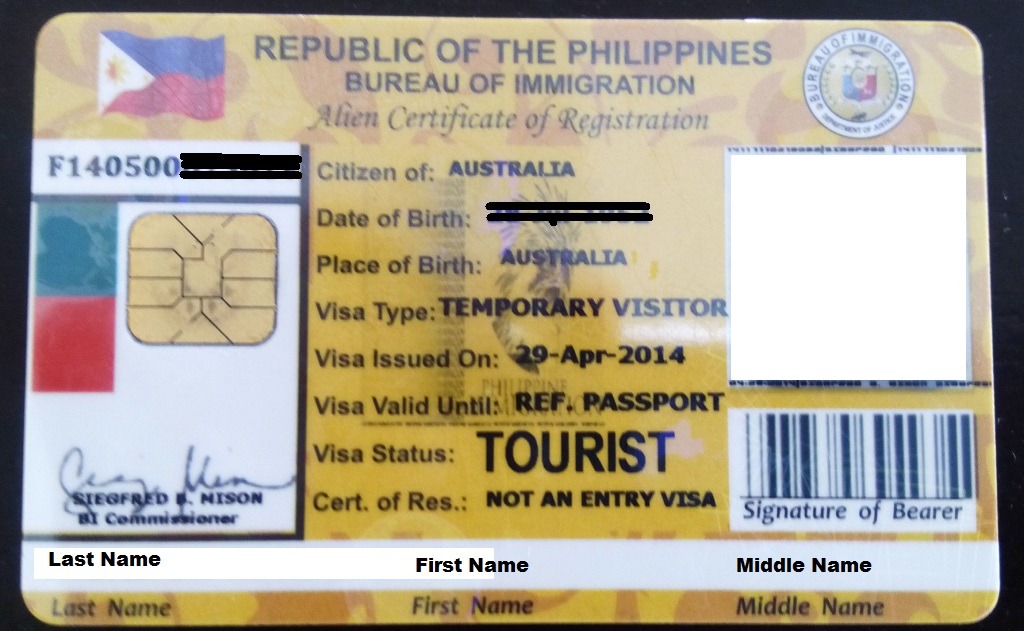
The ACR I-Card is a microchip-based, credit-card-sized identification card issued to registered aliens in the Philippines. The Bureau of Immigration describes it as the official identification document for foreign nationals who are required to register under the Alien Registration Act.
The card is not a visa. It is an immigration registration document that confirms the foreign national’s identity and registration status. It is commonly required for long-term stays, employment, school enrollment, banking, and other transactions where proof of lawful immigration status is needed.
Who Needs An ACR I-Card
Not every foreign visitor needs an ACR I-Card. Short-term tourists who stay within the visa-free or initial visitor period may not be required to register. However, foreign nationals who extend their stay beyond a certain threshold, hold long-term visas, or maintain residence status are generally required to secure and maintain an ACR I-Card.
Common categories include:
- 9(g) visa holders.
- Student visa holders.
- Special resident or investor visa holders.
- Long-term temporary visitor visa holders who extend beyond the initial period.
- Dependents of qualifying visa holders.
- Other registered aliens whose stay requires formal registration.
The requirement is connected to the person’s immigration status and length of stay, not only to nationality.
When Renewal Is Required
The Bureau of Immigration identifies several situations that trigger ACR I-Card renewal. These include:
- Expiration of the one-year validity of the card.
- Re-registration of an alien upon reaching the age of 14.
- Change of visa status.
- Replacement of the ACR I-Card as required under the Alien Registration Act.
The card’s one-year validity is the most common reason for renewal. Many foreign nationals must therefore plan renewal annually, often in coordination with their Annual Report filing.
Difference Between Renewal And Re-Issuance
Renewal and re-issuance are related but distinct processes. Renewal applies when the card is expiring or when the holder’s status changes in a way that requires a new card under the renewal rules.
Re-issuance applies when the card is lost, damaged, contains incorrect information due to applicant error, or when amendments are needed for details such as address, name, nationality, or civil status.
The application forms and documentary requirements may differ slightly. The correct category should be selected before filing to avoid delays or rejection.
Renewal Requirements
The Bureau of Immigration publishes a checklist for ACR I-Card renewal that includes the following core documents:
- Duly accomplished ACR I-Card renewal application form (BI Form 2014-08-010 Rev 0 or current version).
- Original ACR I-Card to be surrendered.
- A photocopy of the passport biographical data page.
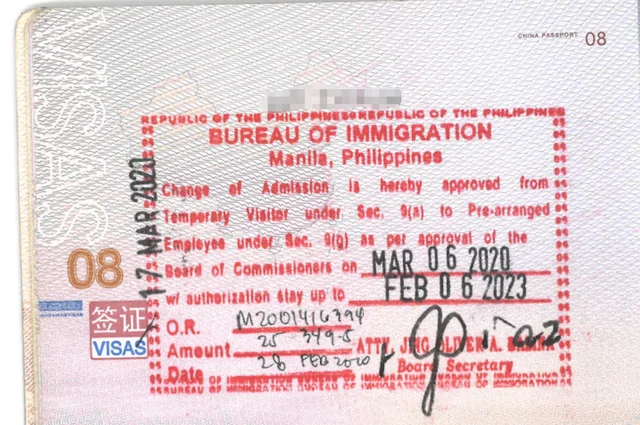
- A photocopy of the passport page showing the visa implementation.
- A photocopy of the latest admission stamp or extension showing a valid authorized stay.
Some offices may also request additional records, such as a certified true copy of the Board of Commissioner’s Order granting the visa, or ACR/ICR records for paper-based holders.
Applicants should confirm the current checklist with the BI office where they will file, as requirements may be updated.
Re-Issuance Requirements
For re-issuance, the applicant generally needs:
- Accomplished renewal/re-issuance application form.
- Original ACR I-Card, if available (for amendments or damaged cards).
- Photocopy of passport bio-page, visa implementation page, and latest admission with valid authorized stay.
- Certified true copy of the BOC Order granting the visa, when required for internal verification.
- Certified true copy of ACR/ICR records for paper-based ACR holders.
- Additional documents for lost cards, such as an affidavit of loss, may be required, depending on the office’s practice.
The exact documentary set may vary by case and filing location.
Step 1: Prepare The Application Form
The first step is downloading and completing the latest ACR I-Card renewal form from the Bureau of Immigration website. The form should be filled out legibly in English, using capital letters, with no blank fields. Items that do not apply should be marked “N/A.”
The applicant should verify that the information matches the passport, visa, and current ACR I-Card. Discrepancies in name spelling, date of birth, nationality, or visa category can cause delays.
Step 2: Organize The Documents
After completing the form, the applicant should gather the required documents in the order listed in the BI checklist. The usual set includes the original ACR I-Card, passport copies, and any additional records required by the specific office.
Documents should be placed in a legal-size folder with a fastener, as many BI offices require this format. The applicant should bring the original passport for identification, even if only photocopies are submitted.
Step 3: Submit to a BI Office
The applicant must submit the renewal application at a Bureau of Immigration office authorized to process ACR I-Card transactions. The BI Main Office in Intramuros handles many cases, and some regional or extension offices also offer ACR services.
Not all satellite offices can process ACR I-Card renewals. Applicants should confirm the correct location and operating hours before traveling.
Step 4: Derogatory Record Check
After submission, BI personnel will check the applicant’s record in their database. This step verifies whether there are any outstanding violations, unpaid fees, immigration flags, or other issues that may affect the renewal.
If a derogatory record is found, the applicant may be required to resolve the issue before the renewal can proceed.
Step 5: Pay The Fees
Once the application passes the initial review, the applicant receives an Order of Payment Slip. The fees must be paid at the BI cashier or an authorized payment channel.
The ACR I-Card fee is commonly set at US$50 or its peso equivalent, as posted in major daily broadsheets at the time of payment. Additional charges may apply for express processing, late filing, or other services.
The applicant should keep the official receipt and submit a copy to the processing window.
Step 6: Biometrics And Card Printing
After payment and final evaluation, the new ACR I-Card is printed. Biometrics, including photo and fingerprints, may be captured or updated on-site if needed.
The applicant receives a claim stub indicating the scheduled release date. Processing time may vary depending on office workload and system status.
Step 7: Claim The New Card
On the scheduled date, the applicant returns to the BI office with the claim stub and a valid government-issued ID, usually a passport. The old ACR I-Card is surrendered, and the new card is released.
For minors, a parent’s valid ID is typically required. If an authorized representative claims the card, a Special Power of Attorney and an accredited representative ID may be needed.
Annual Report Connection
ACR I-Card renewal is often connected to the Annual Report requirement. The Alien Registration Act requires registered aliens to report annually within the first 60 days of each calendar year, and the BI has linked ACR I-Card renewal with the Annual Report in many cases.
Foreign nationals should therefore plan both obligations together. Missing the Annual Report window can lead to surcharges and may complicate the renewal process.
Processing Time
Processing time depends on the BI office, system status, and whether the applicant uses regular or express processing. Some cases may be completed within a few weeks, while others may take longer during peak periods.
Applicants should avoid waiting until the last days before expiry. An expired ACR I-Card can create difficulties in travel, employment verification, and government transactions.
Fees And Costs
The core ACR I-Card fee is generally US$50 or the peso equivalent, as published in major daily newspapers. Additional costs may include:
- Annual Report fee.
- Express processing fee, if available.
- Late filing surcharges.
- Re-issuance fees for lost or damaged cards.
- Amendment fees for changes in personal details.
- Professional or representative fees, if applicable.
Applicants should confirm the current official schedule before payment because fees may be updated.
Common Mistakes
Foreign nationals commonly encounter problems during ACR I-Card renewal because of avoidable errors. These include:
- Filing at a BI office that does not handle ACR transactions.
- Submitting an incomplete or incorrectly filled-out form.
- Failing to bring the original ACR I-Card for surrender.
- Using outdated passport copies or missing visa pages.
- Ignoring derogatory record issues until the renewal stage.
- Missing the Annual Report period and incurring surcharges.
- Waiting until the card is almost expired before filing.
- Losing the claim stub needed to collect the new card.
- Failing to update personal details after a change in status or address.
- Assuming that a visa extension automatically renews the ACR I-Card.
These mistakes can delay the renewal and may affect the foreign national’s ability to travel or complete official transactions.
Travel And Immigration Implications
An expired ACR I-Card does not automatically cancel the underlying visa, but it can create practical problems. Immigration officers, airlines, banks, employers, and government agencies may request a valid ACR I-Card as proof of registration.
Foreign nationals planning international travel should ensure that their ACR I-Card, visa, and Annual Report status are all in order before departure. An expired card may complicate re-entry or require additional explanation at the port of entry.
Renewal For Dependents
Dependents who hold ACR I-Cards must also renew their cards when required. The process is similar, but minors may need parental identification and additional civil documents.
Parents should plan dependent renewals together with the principal applicant’s renewal to avoid gaps in status.
Final Perspective
ACR I-Card renewal is a regular obligation for foreign nationals who hold an ACR I-Card and remain in the Philippines beyond the initial validity period. The Bureau of Immigration requires renewal when the card expires, when the holder’s status changes, or when replacement is needed under the Alien Registration Act.
The process involves completing the correct form, submitting the required documents, paying the fees, and claiming the new card after biometrics and printing are completed. Foreign nationals should plan renewal early, coordinate it with the Annual Report, and avoid common mistakes that can delay the process.
Work Visa Philippines helps foreign workers, investors, retirees, students, and dependents manage ACR I-Card renewal as part of a broader immigration compliance strategy.
How Work Visa Philippines Can Assist
For Work Visa Philippines, ACR I-Card renewal is part of ongoing immigration compliance for foreign workers, investors, retirees, students, and their families. Many clients focus on obtaining the initial visa but underestimate the importance of maintaining the ACR I-Card and Annual Report over time.
A well-managed renewal process helps avoid unnecessary delays, travel issues, and compliance questions during employment verification or government transactions. Contact us today for an initial consultation:
- Contact Us Here
- Fill Out the Form Below
- Call us at +63 (02) 8540-9623