To apply for a visa in the Philippines, you need to match the visa type to your real purpose of travel, gather the right documents, and submit them through the correct channel, either a Philippine embassy or consulate abroad or the Bureau of Immigration in the Philippines. The correct visa process is often the difference between a smooth arrival and a delay that affects work, business, or family plans.
The process is not the same for every applicant. Tourist visitors, workers, investors, spouses, and retirees each follow different rules, and some visas require advance consular filing while others are handled in-country or through multiple agencies.
What It Means to Apply
When you apply for a visa, you are asking the Philippine government to authorize your entry or stay for a specific purpose and duration. The visa application is usually reviewed by a consular officer or immigration officer, who may request additional documents before deciding whether to issue the visa.
This means the application is more than a form. It is a legal filing supported by identity documents, purpose-of-travel evidence, and sometimes employer, school, family, or investment records. If the documents are incomplete or inconsistent, the application may be delayed or refused.
Where to Apply
The correct place to apply depends on the visa type and the applicant’s location. Many temporary visitor visas are filed through the Philippine embassy or consulate in the applicant’s country of residence, while some in-country extensions or conversions are handled by the Bureau of Immigration.
For visa-free nationals who need to stay longer or shift to a different status, the process may begin with entry and continue through BI. For long-term work, investor, or family visas, the application may require both consular and local processing steps.
Main Types of Visa Applications
The Philippines recognizes many visa types, and the right one depends on why you are coming. The most common categories include temporary visitor visas, work visas, immigrant visas, student visas, investor visas, and special visas.
Temporary Visitor Visa
A 9(a) temporary visitor visa is used for tourism, short business visits, or other non-employment purposes. Applicants are usually asked to submit a passport, an application form, and supporting documents that explain the purpose of travel.
Work Visa
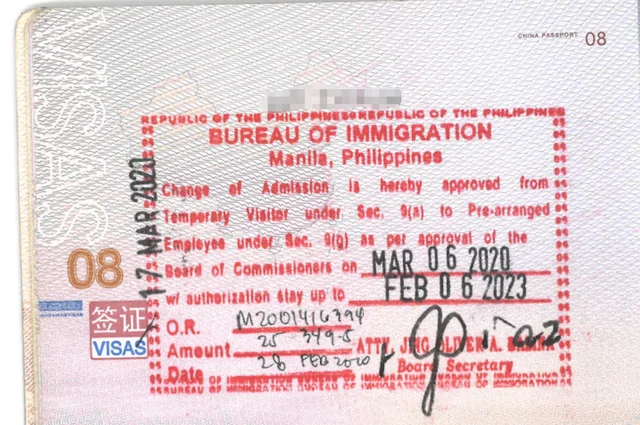
For employment, the main long-term route is the 9(g) work visa. In many cases, the worker must also secure an Alien Employment Permit through DOLE, so the visa process is linked to labor compliance as well as immigration.
Immigrant Visa
Immigrant visas are for long-term residence based on family relationship, citizenship history, or other qualifying grounds. Common examples include the 13A marriage visa and related family-based residence routes.
Student and Investor Visas
Student visas are used when a foreign national will enroll in a recognized Philippine school. Investor and residence-related visas, such as the SIRV, are for applicants who meet investment thresholds and can document their qualifying investment activity.filepino+2
How the Application Usually Works
The application process can be simple for short visits and more complex for work or residence cases. Still, the general pattern is similar: identify the correct visa, prepare the documents, submit them to the right office, wait for review, and complete any follow-up steps after approval.
Step 1: Identify the right visa
The first step is to match your real purpose to the correct visa type. A tourist should not apply as a worker, and a foreign employee should not rely on a visitor visa if they intend to perform work.
Step 2: Gather documents
Next, collect the documents required for that visa type, which may include passport copies, forms, photos, proof of finances, employment letters, school acceptance letters, business records, or family civil documents. Some documents may need an apostille or legalization depending on where they were issued.
Step 3: Submit for review
The documents are filed with the embassy, consulate, or Bureau of Immigration office that handles the case. In some embassies, you may be asked to send scanned copies first for pre-assessment before submitting the original passport and hard copies.
Step 4: Wait for processing
Processing times vary depending on the visa and the applicant’s nationality. Some temporary visitor visas may be processed in a few working days, while more complex cases can take longer and may need approval from Manila or another central office.
Step 5: Complete follow-up steps
After approval, the applicant may need to complete entry registration, extension, ACR card registration, or other post-approval compliance steps, depending on the visa type. These follow-up requirements are part of staying compliant after the visa is issued.
Common Requirements
The exact checklist depends on the visa type, but several documents appear repeatedly across applications. Applicants should always verify the specific consular or BI requirements before paying or sending original documents.
Common requirements include:
- A valid passport with sufficient remaining validity
- A completed visa application form
- Passport photos if required by the post or visa type
- Supporting documents that prove the travel purpose, such as a business invitation, employment contract, school acceptance letter, or marriage certificate
- Proof of funds or financial support, where applicable
- Police clearance, medical certificate, or other background documents for specific visa categories
Because visa officers can request additional documents, it is best to prepare a complete file rather than only the minimum checklist.
Processing Time and Fees
Processing times and fees depend on the visa type, the nationality of the applicant, and whether the application is handled locally or overseas. Temporary visitor visa processing can be relatively fast, while work, immigrant, and special visa cases may take longer due to labor, family, or investment documentation.visasphilippines+2
The visa fee itself also varies by category and number of entries requested. Embassies generally state that fees are non-refundable, so applicants should wait until documents are checked before paying, whenever the embassy advises that the workflow.
Common Mistakes to Avoid
The most common mistakes happen before the form is even submitted. Applicants often choose the wrong visa type, send incomplete documents, or book travel too early.
Other mistakes include:
- Paying fees before the visa officer has reviewed the documents.
- Finalizing flights before the visa is issued.
- Applying for a tourist visa when the real intention is to work.
- Forgetting that some visas require approvals from Manila, DOLE, or other agencies.
- Ignoring the difference between entry validity and permitted stay.
Avoiding these mistakes saves time and reduces the risk of refusal or a delayed trip.
Next Steps
To apply for a visa in the Philippines successfully, you need the right visa type, the correct documents, and the proper filing channel. The process may be straightforward for short visits, but it becomes more detailed for work, residence, family, and investment cases.
Get Expert Assistance
For Work Visa Philippines, helping clients apply for a visa means more than filling out forms. It means guiding them to the right visa category, making sure the file is complete, and coordinating labor, immigration, or consular steps when needed.
That is especially important for foreign employees, investors, and families whose applications involve multiple agencies or longer-term status changes. A well-prepared filing reduces the risk of delay and helps the applicant move from application to approval with less stress.
Our team of experts helps foreign nationals and employers handle the visa process correctly so they can enter, stay, and work in the Philippines with confidence:
- Contact Us Here
- Fill Out the Form Below
- Call us at +63 (02) 8540-9623