For many foreign nationals and their employers, applying for a work visa in the Philippines means navigating the 9(g) Pre‑Arranged Employment Visa and its companion Alien Employment Permit (AEP) from the Department of Labor and Employment (DOLE). For workvisaphilippines.com, this dual‑approval system is the backbone of legal employment for expats, and understanding it early can prevent costly delays, overstays, and compliance issues.
The core idea is straightforward: no foreign national may be paid by a Philippine-based company for work in the Philippines without an AEP and a matching 9(g) work visa. The good news is that the process is standardized; the challenge is that it can be slow, so starting early is essential.
Why You Need a Work Visa
Before diving into the steps, it helps to understand why applying for a work visa is not optional for most foreign workers. The Philippines requires that foreign nationals receiving compensation for work in the country must hold a work‑authorized visa, not just a tourist or business‑visitor entry.
That requirement exists for two reasons: to protect local employment and to ensure that foreign workers are properly documented and regulated by immigration authorities. For employers, it also reduces the risk of fines, contract disputes, and reputational damage if a payroll error leads to unauthorized work.
The Main Work Visa Route: 9(g) and AEP
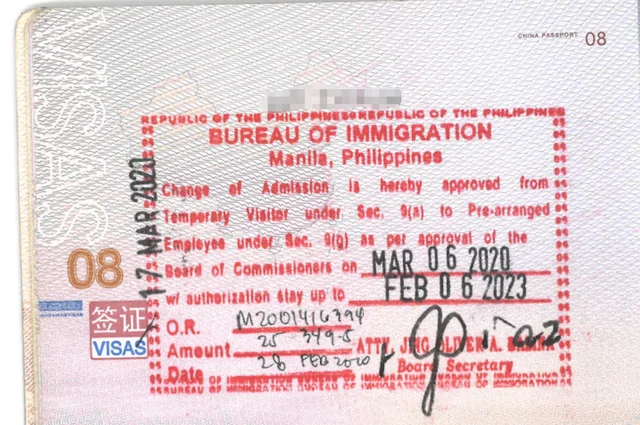
The most common route for foreign professionals is the 9(g) Pre‑Arranged Employment Visa, which is issued after DOLE has approved an Alien Employment Permit for the foreign worker. The AEP is DOLE’s authorization that the foreigner may be hired for a specific role, salary, and term, and that the hiring does not displace a qualified Filipino worker.
Once the AEP is issued, it is endorsed to the Bureau of Immigration (BI), which then supports the issuance or endorsement of the 9(g) visa. The foreign national may apply for the 9(g) at a Philippine embassy, consulate, or, in some cases, through BI once they are in the Philippines.
This explains why applying for a work visa is not a one‑time visa filing; it is a two‑agency process that begins with the employer in the Philippines and then moves to the immigration step abroad or locally.
Who Can Apply for a Work Visa
The 9(g) work visa is designed for foreign nationals who will be employed by a Philippine‑based company for a lawful occupation. This includes executives, managers, technical specialists, and other roles in commerce, industry, agriculture, services, and similar sectors.
Typical qualifying applicants must:
- Have a valid passport and the correct entry permission for the Philippines.
- Be at least 21 years old and physically able to perform the job duties.
- Have a valid employment contract with a Philippine‑registered employer.
- Not have a criminal record that would bar employment under Philippine law.
For many employers, this means the application for a work visa begins with a concrete job offer and an employer-driven AEP filing, not with the foreign national simply showing up at an embassy.
The AEP Application: First Step in Applying for a Work Visa
The first practical step when applying for a work visa is the Alien Employment Permit application with DOLE. The permit is usually filed by the Philippine employer, though some guidance notes that the prospective employee can also file in certain cases.
Common documents required for the AEP include:
- A completed AEP application form.
- The employment contract or appointment letter, showing position, salary, and term.
- A copy of the employee’s passport with valid visa and the latest admission.
- The employer’s corporate registration documents, business permits, and tax registrations.
- Any additional supporting documents the employer needs to justify the need for a foreign worker, such as proof of recruitment efforts and skills gap analysis.
Under recent rules (DOLE Department Order No. 248‑era), employers may also need to conduct a Labor Market Test and an Economic Needs Test, and in some cases outline an Understudy Training Program for Filipino workers who will eventually take over the foreigner’s role. These steps make the AEP process more rigorous but also more predictable if the employer plans ahead.
Applying for the 9(g) Work Visa
Once DOLE approves the AEP, the employer and foreign employee can move to the application phase at the immigration level. The specific route depends on the foreigner’s location and how they entered the Philippines.
If the applicant is outside the Philippines, they usually apply for the 9(g) visa at a Philippine embassy or consulate, following the post‑specific checklist. If the applicant is already in the country on a temporary visitor visa, the employer can file a conversion to 9(g) at the BI Main Office or an authorized immigration office.
Common documents for the 9(g) step include:
- A completed 9(g) application form.
- The valid passport and copies of relevant pages (bio page, latest visa, admission stamps).
- A certified copy of the AEP issued by DOLE.
- Proof of publication or clearance related to the AEP (such as a newspaper clipping or DOLE‑issued document).
- Business‑related documents such as Articles of Incorporation, SEC or DTI registration, and mayor’s permit.
- Alien Certificate of Registration Identity Card (ACR I-Card), if the foreigner is already registered in the Philippines.
These documents are checked carefully because a mismatch between the AEP and the 9(g) application can delay approval or require a re‑filing.
Provisional Work Permit as a Bridge
For many employers, the gap between AEP filing and full 9(g) approval is the biggest scheduling headache. The solution is often the Provisional Work Permit (PWP), which the Bureau of Immigration issues while the underlying AEP and 9(g) process is still ongoing.
The PWP is typically issued in as little as two weeks and allows the foreign worker to begin duties under the approved employment contract, at least until the full 9(g) is in place. This bridging option is why many employers can start a project on time, even if the long‑term visa cycle is slower.
Timing and How Long the Process Takes
The combined AE-9(g) sequence is famous for its length, which is why applying for a work visa requires planning months in advance. Some guides note that the full process, from AEP to visa issuance, can take up to seven months, with AEP approval alone often taking two to three weeks under normal conditions.
For employers, this means:
- Starting the AEP the moment the employment contract is signed, not after the foreigner’s arrival date.
- Using a PWP if the worker must start before the 9(g) is issued.
- Scheduling the visa interview or BI filing as early as the embassy or BI rules allow.
For the foreign worker, it means not booking one‑way tickets or resigning from a current job until the AEP and 9(g) are at least well underway.
Renewals, Extensions, and Changes
A 9(g) work visa is usually issued for one to three years, depending on the contract, and can be extended for additional periods of one to three years. Each renewal typically requires a fresh review of the AEP, updated documents, and proof that the foreigner is still in the same role and with the same employer.
If the employee changes employers or takes a different position within the same company, a new AEP is usually required, and sometimes a new 9(g) endorsement or conversion. That is why applying for a work visa is not just a one-time task; it is a recurring compliance step throughout the employment relationship.
Common Mistakes When Applying for a Work Visa
One of the most common mistakes is trying to start the 9(g) without a valid AEP or while the AEP is still pending. BI and DOLE are clear that the AEP is the foundation; the 9(g) is the immigration extension of that permission.
Other frequent issues include:
- Filing incomplete or inconsistent documents, such as mismatched job titles, salaries, or contract terms between the AEP and the 9(g) application.
- Ignoring the newer DOLE rules like the Labor Market Test and Understudy Training Program, which can delay AEP approval or trigger additional checks.
- Not planning for PWP or other bridging options and then asking the foreign worker to delay the start date or work informally.
- Overstaying or violating visa conditions because the renewal or extension was not filed in time.
These errors are avoidable if the employer treats the work visa and permit system as a formal, documented part of the hiring and onboarding process.
Final Insights
Applying for a work visa in the Philippines is a dual‑step process centered on the Alien Employment Permit and the 9(g) Pre‑Arranged Employment Visa. For foreign nationals and their employers, the safest strategy is to start the AEP early, use a Provisional Work Permit if needed, and treat each renewal as a standard compliance step, not an emergency filing.
Reach Out To Us
Work Visa Philippines helps employers and expats plan and execute the full work visa and permit sequence so that hiring and immigration timelines stay aligned. Schedule an initial consultation today to know how we can help:
- Contact Us Here
- Fill Out the Form Below
- Call us at +63 (02) 8540-9623