Owning a business in the Philippines is possible for foreign nationals, but the structure, ownership limits, and registration steps depend on the industry and the type of company you want to form. Many foreign owners also need the right immigration status, especially if they plan to manage operations on the ground.
The key point is simple: before you invest or operate, you need to know whether your intended business activity allows full foreign ownership, requires Filipino participation, or needs specific government approval. That decision affects everything that follows, from company registration to permits, taxes, and visas.
What Ownership Means
When people say they want to own a business in the Philippines, they may mean different things. Some want to own shares in a Philippine corporation, some want to register a branch or representative office, and others want to set up a sole proprietorship or partnership.
For a foreign investor, the important issue is not only whether the business can be registered, but whether the law allows the desired percentage of foreign equity in that activity. In some sectors, foreigners may own 100 percent; in others, ownership is limited or restricted.
Can Foreigners Own Businesses?
Foreign nationals can own businesses in the Philippines, but not every business activity is open to full foreign ownership. The Philippines uses a sector-based approach, so the amount of foreign equity allowed depends on the industry, the business structure, and the applicable investment rules.
In practice, this means a foreign investor may be able to fully own one company while needing Filipino partners or a lower equity share in another. The legal requirements are tied to the nature of the business, not just the investor’s nationality.
Business Structures
The business structure you choose affects ownership, control, and compliance. A foreign investor usually considers a corporation, branch office, representative office, or another lawful structure, depending on the goals of the business.
A corporation is often the most common route for foreign investors because it can separate ownership from management and provide flexibility in equity allocation. A branch office is typically used when a foreign parent company wants to operate locally under the parent’s direction, while a representative office is usually limited to non-revenue-generating activities.
Foreign Ownership Limits
Foreign ownership limits depend on the business activity. Some sectors allow full foreign ownership, while others are subject to constitutional, statutory, or regulatory restrictions.
This is why two companies can have very different ownership rules even if they are both registered in the Philippines. A business in one sector may be open to 100 percent foreign equity, while another may require Filipino ownership or local participation.
Capital and Investment Rules
Foreign ownership is also connected to capital requirements. Depending on the structure and business activity, the law may require a minimum paid-up capital or an inward remittance of funds.
These rules are designed to confirm that the foreign investor has a real financial commitment to the business. The capital requirement may also affect whether the company can be registered and whether it qualifies for certain permits or incentives.
Registration Steps
Owning a business in the Philippines involves more than filing one form. The usual path includes name verification or reservation, corporate registration, tax registration, local permits, and post-registration compliance.
The order of steps can vary depending on the business structure, but the general process is consistent: form the entity, register it with the proper agency, secure tax and local permits, and then complete any employer registrations if you will hire staff. Each step matters because a business is not considered fully operational until the required registrations are complete.
Step 1: Choose the structure
The first step is deciding whether the business will be a corporation, branch office, representative office, or another allowed structure. The choice should match your actual business plan, ownership goals, and compliance capacity.
A wrong structure can create problems later, especially if you need to hire employees, open bank accounts, or expand operations. For foreign owners, structure selection is one of the most important decisions in the entire process.
Step 2: Check ownership rules
Before filing, confirm whether the intended business activity allows the percentage of foreign ownership you want. This is the stage where investors should verify if the industry is open, partially restricted, or reserved for Filipino participation.
Skipping this step can lead to wasted time and a rejected application. It is better to confirm the rules early than to rebuild the business plan after filing.
Step 3: Register the entity
After the structure is chosen, the next step is entity registration with the proper government office. Corporations, for example, are generally registered with the Securities and Exchange Commission, while other structures may follow different registration paths.
The registration usually requires the company name, constitutional documents, shareholder details, and proof of capitalization, where applicable. This creates the legal identity of the business in the Philippines.
Step 4: Register for taxes
Once the entity is formed, it must register with the Bureau of Internal Revenue. Tax registration is essential because the business must obtain a taxpayer identification number and comply with invoicing, bookkeeping, and filing rules.
Without tax registration, the company cannot lawfully operate in full compliance with the law. This is true even if the company has already been formed on paper.
Step 5: Secure local permits
Local government permits are also necessary before business operations begin. Depending on the location, this may include barangay clearance, a mayor’s permit, or other local business permits.
These permits confirm that the business can legally operate at a specific address. They are a separate requirement from corporate registration and taxation.
Step 6: Complete employer registrations
If the business will hire employees, it must also register as an employer with the relevant government agencies. This can include registrations related to social security, health insurance, and the housing fund system.
These employer registrations are not optional once staff are hired. They are part of being a compliant operating business in the Philippines.
Documents You May Need
The exact document list depends on the structure and industry, but foreign investors should expect to provide company and investor identity documents, ownership details, capitalization evidence, and local office information.
Typical documents may include:
- Proposed company name and business purpose.
- Articles of incorporation or equivalent constitutional documents.
- Shareholder or owner information.
- Proof of capitalization or inward remittance where required.
- Lease or office address documents.
- Tax and permit forms required by the relevant agencies.
If the business will operate in a regulated industry, additional approvals may also be needed. That can include special endorsements, licenses, or sector-specific registrations.
Foreign Investor Compliance
Owning a business is only the start; staying compliant is what keeps it lawful. After registration, the business must continue meeting reporting, tax, permit, and labor obligations.
Foreign owners should also think about immigration compliance if they plan to work in the business or manage day-to-day operations in the Philippines. Ownership alone does not automatically give a foreign national the right to work in the country.
Immigration and Ownership
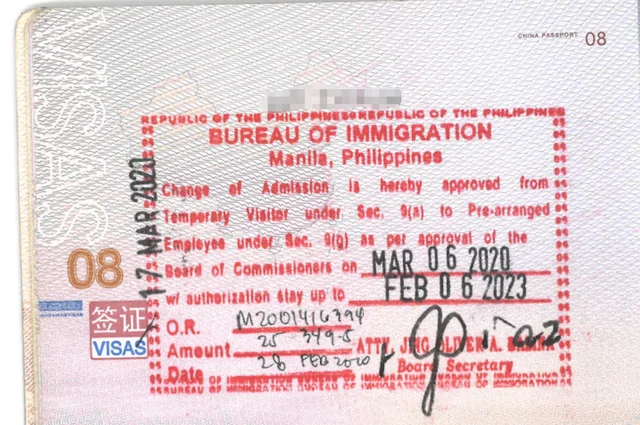
A foreign investor may own shares or an interest in a Philippine business without being authorized to work in the Philippines. If the foreign owner will actively manage the business, attend to operations, or perform work, the appropriate work visa or work authorization may be required.
This is where ownership and immigration overlap. A business can be properly formed, yet the owner may still need a separate legal basis to stay and work in the country.
Common Mistakes
Many foreign investors run into trouble because they focus only on the business idea and not the legal framework. The most common mistakes are choosing the wrong structure, assuming all sectors allow full foreign ownership, and forgetting that local permits are separate from entity registration.
Other common mistakes include:
- Starting operations before completing registration.
- Assuming ownership gives work rights.
- Ignoring minimum capital or inward remittance rules.
- Failing to confirm sector restrictions before filing.
- Not planning for tax and employer compliance after registration.
Avoiding these mistakes makes the process faster, cleaner, and more defensible.
Final Insights
To own a business in the Philippines, foreign investors need to choose the right structure, confirm ownership limits, complete registration, and stay compliant after launch. The process is entirely possible, but it must be matched carefully to the sector and the investor’s real goals.
Why You Should Get Assistance
For Work Visa Philippines, business ownership is closely connected to investor immigration and employment compliance. Many foreign owners also need to sponsor themselves or their team, which means ownership decisions affect visa strategy, payroll planning, and legal status.
If you want to own a business in the Philippines and also run it on the ground, you need both a sound company structure and the proper immigration plan. That combination helps avoid delays and compliance issues later.
Our team of experts helps foreign investors and business owners set up the right legal path so their company and immigration status work together from the start:
- Contact Us Here
- Fill Out the Form Below
- Call us at +63 (02) 8540-9623