The Special Economic Zone Act created the legal framework for ecozones in the Philippines and established PEZA to manage them. This law matters because it affects how foreign investors, executives, and technical workers can enter, operate, and work inside PEZA-registered businesses.
The law is designed to attract investment, create jobs, and support growth through designated zones with special administrative and customs treatment. It also gives PEZA the authority to register ecozone enterprises, grant incentives, and help coordinate operations inside these areas.
What the Law Covers
The Special Economic Zone Act is Republic Act No. 7916, as amended by Republic Act No. 8748. It provides the legal framework for the creation, operation, administration, and coordination of special economic zones in the Philippines.
The law covers ecozones, industrial estates, export processing zones, free trade zones, and related development areas. It also sets the policy direction for how these zones should be planned, managed, and connected to the national economy.
What an Ecozone Is
Under the law, special economic zones, or ecozones, are selected areas that are highly developed or have the potential to become industrial, commercial, banking, financial, tourist, or investment centers. These areas may contain industrial estates, export processing zones, free trade zones, and tourist or recreational centers.
This definition is important because not every business area in the Philippines is automatically an ecozone. A location must be legally designated before it can receive the special treatment and incentives under the Act.
Why the Law was Created
The law was made to encourage private enterprise and attract productive investment. It reflects the government’s policy of supporting development, job creation, and industrial growth through strategically located zones.
It also aims to attract both foreign and local investors, support the return of Filipino capital, and promote technology-intensive industries. Another major purpose is to treat certain ecozones as separate customs territories within the constitutional framework.
PEZA’s Role
PEZA, or the Philippine Economic Zone Authority, was created to implement and manage the ecozone system. It is attached to the Department of Trade and Industry and is responsible for registering, regulating, and supervising ecozone enterprises.
PEZA also reviews ecozone proposals, coordinates with government agencies and local government units, and helps oversee infrastructure and utility development inside ecozones. For investors, PEZA is the main agency they work with once they decide to operate inside a designated zone.
Who Can Invest
The law allows foreign citizens and foreign-owned companies, in any proportion, to set up enterprises in the ecozone, either alone or in joint ventures with Filipinos. This is one reason ecozones are attractive to global businesses looking for a clearer and more incentive-driven operating environment.
The law also protects the assets, profits, and legitimate interests of these investors. PEZA may require a minimum investment for ecozone enterprises in freely convertible currencies.
Immigration under the Law
The Special Economic Zone Act also includes immigration benefits for certain ecozone investors and workers. An investor with an initial investment of at least 150,000 US dollars, together with a spouse and dependent children under 21, may be granted permanent resident status within the ecozone.
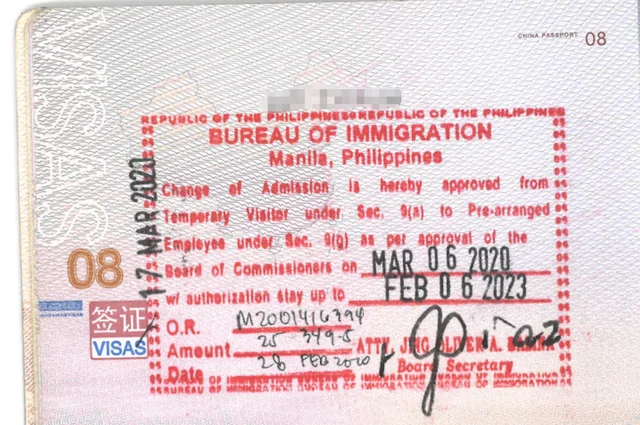
The law also allows PEZA to issue working visas renewable every two years to foreign executives and other aliens with highly technical skills that no Filipino within the ecozone possesses, as certified by the Department of Labor and Employment. This is especially relevant for companies that need specialized foreign talent to support operations.
Separate Customs Territory
One of the most important features of the law is that ecozones are treated as separate customs territories. This means they are handled differently from the rest of the country for customs and certain operational purposes.
The law also authorizes PEZA to issue certificates of origin for products manufactured or processed inside ecozones, subject to the applicable rules. For export-oriented businesses, that can be a major advantage.
Tax and Fiscal Incentives
Businesses operating inside ecozones may qualify for fiscal incentives under the Act and related investment laws. Under the original law, businesses in ecozones were subject to a 5 percent tax on gross income earned in lieu of national and local taxes, with the amount shared among the government, local units, and a development fund.
PEZA also confirms that registered enterprises may enjoy incentives under the law and related regulations. Since incentives can depend on the exact registration status and current implementing rules, businesses should always verify the applicable package before making decisions.
How Registration Works
A business enterprise inside a designated ecozone must register with PEZA to enjoy the incentives and benefits under the law. The Act also requires PEZA to establish a one-stop shop center to make registration and permit processing easier.
That one-stop shop is meant to bring relevant agencies together so investors can complete registration, licensing, and permit requirements more efficiently. For foreign-owned businesses, this can simplify the launch process, but it does not remove the need to meet all legal requirements.
Land, Buildings, and Leases
The law allows lands and buildings in an ecozone to be leased to foreign investors for a period not exceeding 50 years, renewable once for not more than 25 years, subject to the Investors’ Lease Act. Leasehold rights acquired under long-term contracts may be sold, transferred, or assigned under the conditions of that law.
The Act also allows the government to acquire private lands within or adjacent to ecozones by purchase, negotiation, or condemnation when necessary for development, right of way, or environmental protection. This gives ecozones a legal framework for expansion and infrastructure development.
Labor Rules in Ecozones
Labor and management relations in the ecozone are generally governed by the Philippine Labor Code unless the Act provides otherwise. Employees in ecozone enterprises must receive salaries, benefits, and working conditions not lower than those required by Philippine labor laws and DOLE rules.
The law also states that foreign nationals hired by ecozone enterprises in supervisory, technical, or advisory roles should not exceed 5 percent of the workforce without the express authorization of the Secretary of Labor and Employment. This is an important point for employers planning to staff ecozone operations with expatriate managers or specialists.
Environmental and Security Rules
The law gives PEZA responsibility, together with the proper agencies, to protect the local environment in the ecozones. It also assigns national government responsibility for defense and perimeter security, while allowing PEZA to establish internal security and firefighting forces.
These rules matter because ecozones are meant to be organized, controlled, and investment-ready areas. They are not outside government oversight; instead, they are designed to function with a more focused and business-friendly administrative structure.
Why This Matters to Foreign Companies
For foreign investors, the Special Economic Zone Act offers a legal pathway into the Philippine industry with special incentives, customs treatment, and administrative support. It also creates a clearer route for bringing in certain foreign executives and technical workers, subject to PEZA and DOLE requirements.
For employers, the law is useful because it links investment, operations, and immigration into one ecosystem. If your business will hire foreign staff, the ecozone framework may simplify parts of the process, but it still requires careful compliance.
Common Misconceptions
A common misconception is that any business near an ecozone automatically receives PEZA benefits. In reality, the business must be properly registered with PEZA and located in a designated ecozone to qualify for the applicable incentives.
Another misconception is that PEZA registration removes the need for labor or immigration rules. The law still works alongside labor standards, DOLE certification, and Bureau of Immigration procedures where applicable.
Final Thoughts
The Special Economic Zone Act created the Philippine ecozone system, gave PEZA its authority, and opened a special pathway for investment, operations, and selective immigration benefits. For businesses and foreign nationals, it is one of the most important laws to understand when operating inside a PEZA zone.
How Work Visa Philippines Can Help
For Work Visa Philippines, the Special Economic Zone Act is directly relevant because many foreign employees and investors work inside PEZA-registered businesses. Their immigration status, employment role, and sponsorship path may all be shaped by the ecozone framework.
If a foreign executive, investor, or technical specialist is entering a PEZA enterprise, the company should understand both the investment incentives and the work authorization rules under the ecozone system. That is where proper planning helps avoid delay and compliance problems.
Work Visa Philippines helps foreign investors, employers, and professionals understand how ecozone rules connect to business setup and work authorization. If your company is entering a PEZA-registered zone or planning to hire foreign talent there, the legal structure should be set up correctly from the start:
- Contact Us Here
- Fill Out the Form Below
- Call us at +63 (02) 8540-9623