Work permit sponsorship in the Philippines means a local employer or qualifying Philippine entity takes responsibility for securing the work authorization a foreign national needs to legally perform services in the country. This is one of the most important concepts because most foreign work cases depend on a Philippine sponsor that can legally file, support, and maintain the worker’s permits and visa status.
The sponsorship process is not just a signed offer letter. It usually involves proving the business is legitimate, showing why the foreign worker is needed, filing the Alien Employment Permit first, and then moving to the Bureau of Immigration for the work visa or temporary work authorization.
What Sponsorship Means
Work permit sponsorship is the legal and administrative relationship between the Philippine employer and the foreign worker’s immigration case. The sponsoring company is the local petitioner, and it must show that it is a real operating business with a legitimate need for the foreign national’s role.
In practical terms, sponsorship means the employer is not just hiring the worker; it is also supporting government filings and accepting responsibility for compliance during employment. This is why the sponsor must be carefully chosen and properly documented before any application is filed.
Who Can Sponsor
The sponsor must generally be a Philippine-based entity that is legally allowed to do business in the country. That can include a domestic company, a foreign company with a proper local presence, or another qualifying Philippine sponsor, depending on the structure of the case.
The employer must also be able to show that the foreign hire is needed and that the position supports the business in a lawful way. In many cases, the government will want to see that the company is properly registered, has business permits, and is actually operating.
Why Sponsorship Matters
Sponsorship matters because foreign nationals cannot simply begin working in the Philippines on their own. The government needs a Philippine employer or sponsor to anchor the application, and the work authorization usually remains tied to that sponsor and that specific role.
If sponsorship is weak or inconsistent, the case can be delayed or refused. If the foreign worker changes employers, the work authorization typically needs to be reprocessed rather than carried over automatically.
Main Sponsorship Pathways
The Philippines uses different authorization tools depending on the length and purpose of the foreign worker’s assignment. The most common sponsorship pathway for long-term employment is the AEP plus 9(g) visa route, while temporary assignments may use short-term permits such as SWP or PWP.
AEP and 9(g) visa
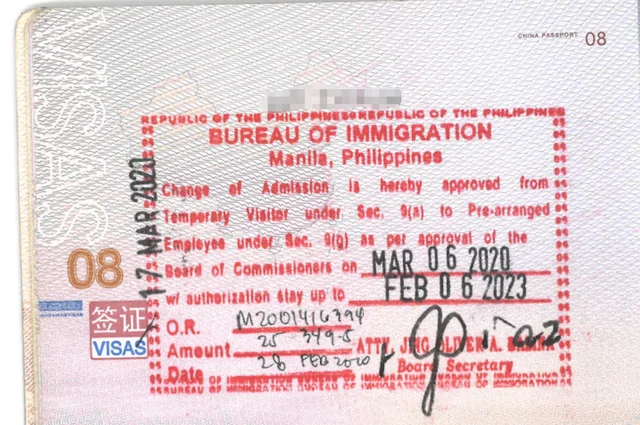
The standard long-term route starts with the Alien Employment Permit from DOLE and is followed by the 9(g) work visa with the Bureau of Immigration. The sponsor must file or support the filings and supply company documents, the employment contract, and proof that the foreign role is justified.
PWP
A Provisional Work Permit is a short-term solution that lets the foreign national work while the 9(g) and/or AEP process is pending. It is useful when the worker must start before the main visa is finalized, but it is temporary and tied to the pending employment case.
SWP
The Special Work Permit is used for short-term work assignments and other temporary engagement patterns. It is different from the PWP because it is designed as a short-duration authorization rather than a bridge to a longer-term work visa.
Employer Eligibility
Not every company is ready to sponsor foreign workers, and the Philippine government expects the sponsor to be properly established first. The employer must normally show valid corporate registration, business permits, and other evidence that the company is operating in the Philippines.
The company also needs to justify the foreign hire by showing the role is suitable for a foreign national and that hiring locally would not be a better option. This is where job description, salary, company needs, and the candidate’s qualifications all come together in one sponsorship file.
The Sponsorship Process
The sponsorship process usually follows a clear sequence. First, the employer confirms the foreign role is justified, then it gathers business and employee documents, then it files the labor authorization, and finally it supports the visa or permit with BI.
Step 1: Confirm the need
The employer must decide whether the position truly requires a foreign national and prepare a clear business reason for the hire. This usually includes a job description, salary details, and an explanation of why the foreign worker is needed.
Step 2: Prepare employer documents
Next, the sponsor gathers its corporate records, such as SEC or DTI registration, business permits, tax identification details, and any industry-specific licenses if relevant. These documents prove the sponsor is valid and operating.
Step 3: File for labor authorization
For most long-term work cases, the employer files the AEP application with DOLE first. The filing can require proof of job posting, evidence of labor market testing, and a notarized employment contract that clearly states salary, duties, and term.
Step 4: Move to the visa stage
Once the labor authorization is in process or approved, the employer can proceed to the BI stage for the 9(g) visa or a temporary work permit, depending on the situation. This second stage is where sponsorship becomes an immigration issue as well as a labor issue.
Documents Commonly Needed
A sponsorship file usually includes both employer-side and employee-side records. The stronger the documentary match, the smoother the process tends to be.
Common documents include:
- SEC or DTI registration and company permits.
- Tax identification and business operating records.
- Employment contract with duties, salary, and term.
- Passport copy and personal details of the foreign worker.
- Any required photos, forms, and supporting affidavits.
- Evidence of the business need for the foreign role.
For PWP filings, the documentation is even more specific and includes the petitioner’s request letter, notarized forms, passport copies, AEP proof, and employment contract.
Timing and Practical Planning
Sponsorship takes time, and employers should not expect a foreign worker to begin immediately without any preparation. The AEP stage can take several weeks, and the visa stage adds additional processing time depending on the filing path and workload of the agencies involved.
For urgent cases, the employer may need a temporary solution like a PWP while the main work visa is pending. That is why sponsorship planning should begin before the employee is scheduled to start, not after arrival.
Common Sponsorship Mistakes
The most common mistake is assuming a job offer alone is enough. In reality, sponsorship requires the employer to be legally ready, the job to be justified, and the filing sequence to be followed correctly.
Other common mistakes include:
- Using a sponsor that is not properly registered or active.
- Filing the wrong permit for the length of the assignment.
- Starting work before the proper authorization is issued.
- Submitting a contract that does not match the actual role or salary.
- Forgetting that the visa is tied to the sponsor and may need a new filing if the worker changes employers.
Avoiding these mistakes reduces delays, compliance risk, and unnecessary re-filing.
Wrapping Up
Work permit sponsorship in the Philippines is a sponsor-driven process that usually starts with DOLE labor authorization and then moves into immigration filing with BI. The employer must be properly registered, the foreign role must be justified, and the correct permit path must be used for the length and nature of the assignment.
Is Assistance Available?
Yes. Work Visa Philippines helps employers and foreign workers structure sponsorship correctly so the work authorization matches the job, the timing, and the legal requirements.
Contact us today for an initial consultation:
- Contact Us Here
- Fill Out the Form Below
- Call us at +63 (02) 8540-9623